








The United States has agreed in principle to provide security guarantees to Ukraine as part of ongoing peace negotiations aimed at ending Russia’s nearly four-year-long war, marking a potentially significant breakthrough in one of Europe’s most consequential conflicts since World War II.
U.S. officials confirmed on Monday that the understanding was reached during high-level talks in Berlin between American envoys and Ukrainian President Volodymyr Zelenskyy, with further negotiations expected as early as this weekend in the United States. While details of the proposed guarantees remain undisclosed, officials described them as “Article 5-like,” referring to the collective defense clause at the heart of the NATO alliance.
“I think we’re closer now than we have been, ever,” President Donald Trump said at a White House event, underscoring what his administration views as real momentum in the negotiations. “We’re having tremendous support from European leaders. They want to get it ended, also.”
Narrowing Differences on Security and Territory
The latest round of discussions involved Trump’s special envoys Steve Witkoff and Jared Kushner, alongside U.S. Air Force General Alexus Grynkewich, who oversees NATO military operations and U.S. European Command. According to U.S. officials, the talks narrowed differences over Ukraine’s core demands for long-term security and Russia’s insistence that Kyiv concede territory in the eastern Donbas region.
For Ukraine, security guarantees have remained the linchpin of any peace agreement. Zelenskyy has repeatedly warned that a ceasefire without binding protections would only invite renewed aggression from Moscow. Ukrainian officials, sources said, were presented with a more detailed written proposal from the U.S., addressing concerns that earlier drafts lacked clarity and enforceability.
European leaders echoed Washington’s assessment of progress. In a joint statement issued in Berlin, they confirmed that the U.S. and Europe had committed to providing “robust security guarantees” for Ukraine, including the creation of a European-led multinational force operating inside the country.
The force, they said, would assist in rebuilding Ukraine’s military, securing its airspace, ensuring safer maritime routes, and supporting long-term stability. Ukrainian armed forces would remain at a peacetime strength of approximately 800,000 troops.
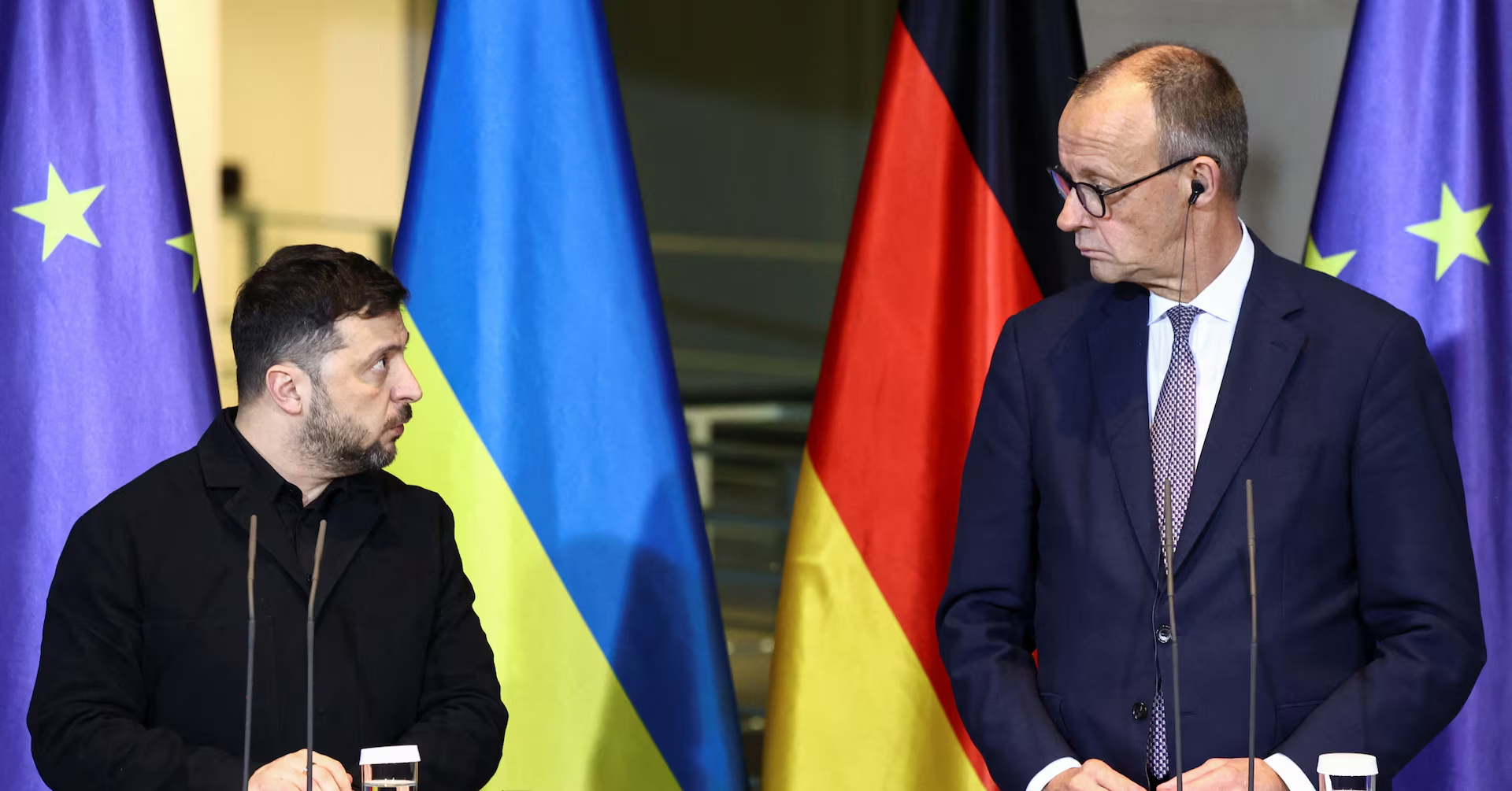
German Chancellor Friedrich Merz described the proposal as unprecedented in scope. “This is a truly far-reaching, substantial agreement that we did not have before,” he said, noting that both Europe and the United States were now aligned on Ukraine’s postwar security framework.
Congressional Approval and Time Pressure
U.S. officials indicated that the proposed security guarantees would ultimately be submitted to the U.S. Senate for approval, though they did not clarify whether the agreement would be ratified as a formal treaty requiring a two-thirds majority. They also stressed that the offer would not remain open indefinitely.
“This won’t be on the table forever,” one official said, highlighting the administration’s desire to conclude negotiations swiftly.
Trump reportedly dialed into a dinner meeting Monday evening with negotiators and European leaders, reinforcing the White House’s hands-on involvement in the process. Additional talks are expected this weekend, possibly in Miami, as negotiators attempt to resolve remaining disputes.
NATO, Territory, and Red Lines
Despite progress, major obstacles remain. Zelenskyy reiterated that territorial concessions remain a point of contention, as Ukraine continues to reject U.S. pressure to formally cede land to Russia. President Vladimir Putin has demanded that Ukrainian forces withdraw from remaining areas of the Donetsk region as a precondition for peace.
Ukraine has also signaled a willingness to pause its bid for NATO membership if it receives credible, binding security guarantees backed by Washington and its allies. Nevertheless, Zelenskyy has maintained that NATO membership remains Kyiv’s preferred long-term safeguard against future Russian aggression.
Russia, for its part, has consistently opposed the presence of NATO troops on Ukrainian soil and framed Kyiv’s NATO aspirations as a direct threat to its national security—an argument Putin has repeatedly cited to justify the full-scale invasion launched in February 2022.
Kremlin spokesperson Dmitry Peskov said Moscow remains open to “serious peace,” but dismissed speculation about timelines. “Trying to predict a potential time frame for a peace deal is a thankless task,” he said, adding that Putin was not interested in negotiations designed to delay outcomes.
U.S. officials noted that roughly 90% of the American-authored peace plan has been agreed upon and that Russia has signaled openness to Ukraine joining the European Union, a position Moscow previously said it did not oppose.
Fighting Continues as Diplomacy Advances
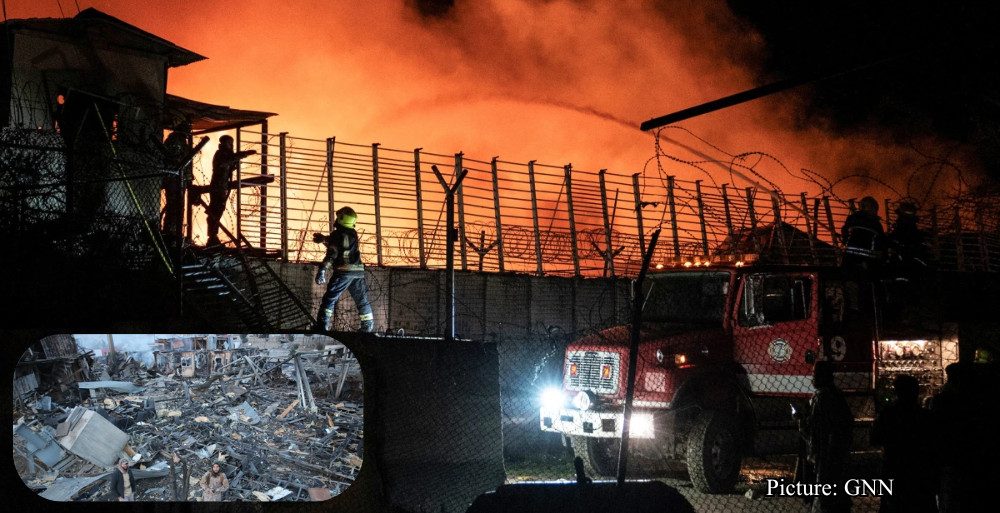
Even as negotiations intensify, fighting on the ground continues. Ukraine’s Air Force reported that Russia launched 153 drones overnight into Monday, with 133 intercepted and 17 striking targets. In Russia, the Defense Ministry claimed it shot down over 140 Ukrainian drones, including 18 over Moscow, temporarily halting flights at major airports.
The juxtaposition of escalating diplomacy and ongoing drone warfare underscores the fragility of the moment. Yet diplomats on all sides suggest the contours of a deal are closer than at any point since the war began.
Whether the emerging framework can satisfy Ukraine’s demand for lasting security, Russia’s insistence on strategic concessions, and Western political realities remains uncertain. But for now, the agreement in principle on U.S. security guarantees marks a pivotal step toward what could become Europe’s most consequential peace settlement in decades.