







Despite a rare public apology from Iranian President Masoud Pezeshkian for strikes against regional neighbors, President Donald J. Trump has signaled a massive escalation in military operations. The administration warned that new, previously off-limits targets are under consideration for “complete destruction” as the U.S.-led campaign to topple the Tehran government enters its second week.
The fragile possibility of a diplomatic off-ramp in the week-old war between the United States and Iran appeared to vanish Saturday morning. President Donald J. Trump issued a series of searing warnings, declaring that the Islamic Republic will be “hit very hard” despite a televised attempt by Tehran’s civilian leadership to de-escalate regional tensions.
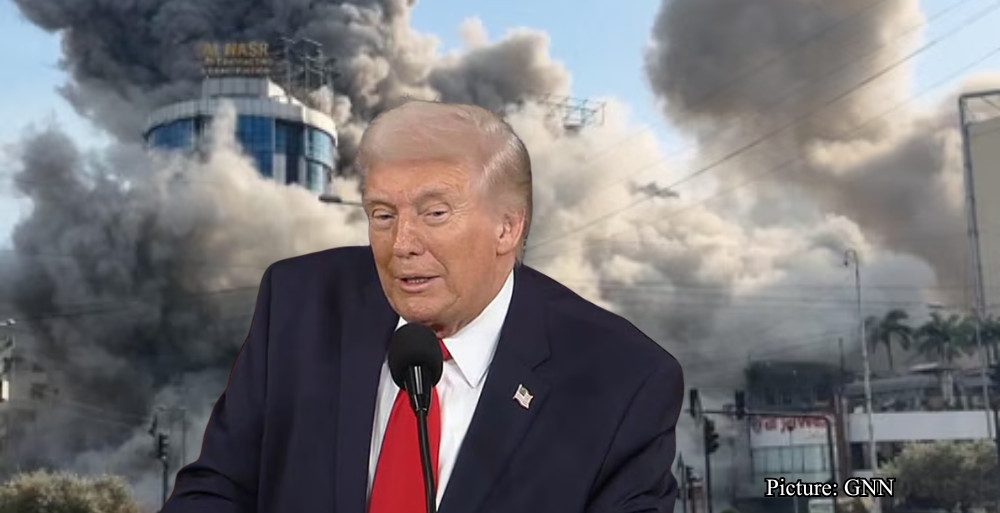
The President’s comments, delivered via Truth Social, characterized the Iranian government as a collapsing entity rather than a viable negotiating partner. “Today Iran will be hit very hard!” Trump wrote. “Under serious consideration for complete destruction and certain death, because of Iran’s bad behavior, are areas and groups of people that were not considered for targeting up until this moment in time.”
The escalation comes as the conflict, dubbed Operation Epic Fury by the Department of War, has already inflicted a staggering toll. Preliminary estimates from the Human Rights Activists News Agency (HRANA) indicate that at least 1,172 civilians and 176 military personnel have been killed within Iran since the joint U.S.-Israeli strikes began last Saturday. The initial wave of attacks successfully eliminated Supreme Leader Ayatollah Ali Khamenei, leaving the country under the control of a temporary leadership council.
A Defiant Apology
Iranian President Masoud Pezeshkian attempted to break the cycle of violence earlier Saturday with an unprecedented video message. In it, he offered a personal apology to neighboring Gulf states that have been caught in the crossfire of Iranian retaliatory strikes. Over the past eight days, Bahrain, Kuwait, Qatar, Saudi Arabia, and the United Arab Emirates have all reported drone and missile incursions.
“I should apologize to the neighboring countries that were attacked by Iran, on my own behalf,” Pezeshkian said, appearing somber. He claimed that the temporary leadership council had agreed to halt all strikes against regional neighbors unless an attack on Iranian soil originated specifically from those territories. Pezeshkian framed the shift as an effort to “solve this through diplomacy” and end the “fire at will” authority previously granted to the Islamic Revolutionary Guard Corps (IRGC).
However, the Iranian president remained defiant regarding the U.S. demand for an unconditional surrender. He described the prospect of total capitulation as a “dream that they should take to their grave,” a phrase that resonated with the hardline remnants of the regime still operating within the country’s underground command centers.
Regional Chaos and Military Reality
The credibility of Pezeshkian’s ceasefire offer was immediately challenged by reports of fresh explosions. Even as the video address aired, loud blasts were reported near Dubai International Airport and the Al Dhafra Air Base in Abu Dhabi. Iranian state television claimed the IRGC had successfully struck a U.S. command post in the UAE, though the Pentagon has yet to verify the extent of the damage.
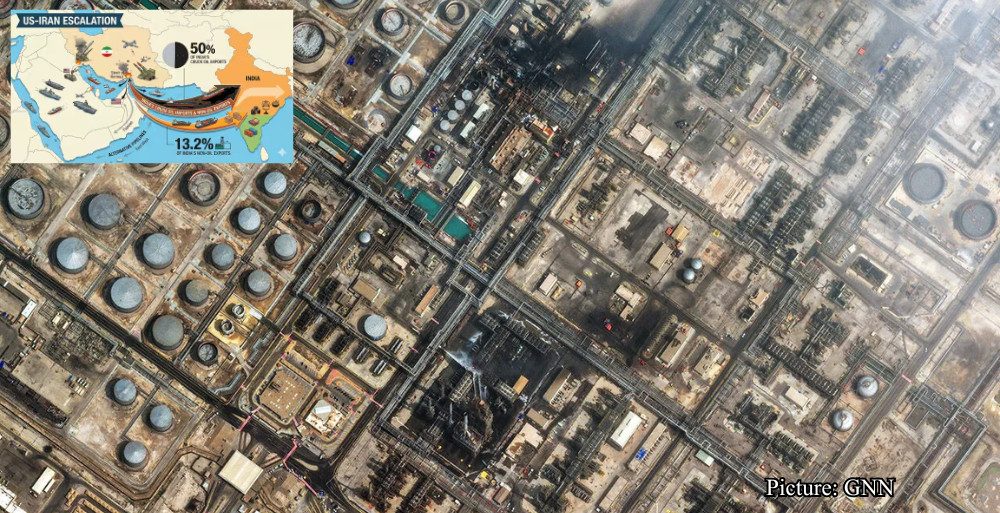
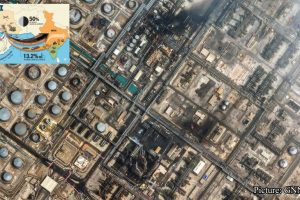
The White House remains skeptical of the civilian government’s actual control over the IRGC’s remaining assets. Administration officials suggested that the apology was not a gesture of goodwill, but a desperate reaction to the relentless aerial bombardment that has decimated Iran’s telecommunications, air defenses, and nuclear infrastructure.
“Iran is no longer the ‘Bully of the Middle East,'” Trump posted. “They are, instead, ‘THE LOSER OF THE MIDDLE EAST,’ and will be for many decades until they surrender or, more likely, completely collapse!”
The Human Toll at Home
The domestic political cost of the war is beginning to weigh on Washington. On Saturday, President Trump is expected to travel to Dover Air Force Base in Delaware for the dignified transfer of six U.S. service members killed in an Iranian drone strike in Kuwait. The soldiers, mostly members of an Army Reserve unit, were killed when a projectile hit a tactical operations center at Port Shuaiba.
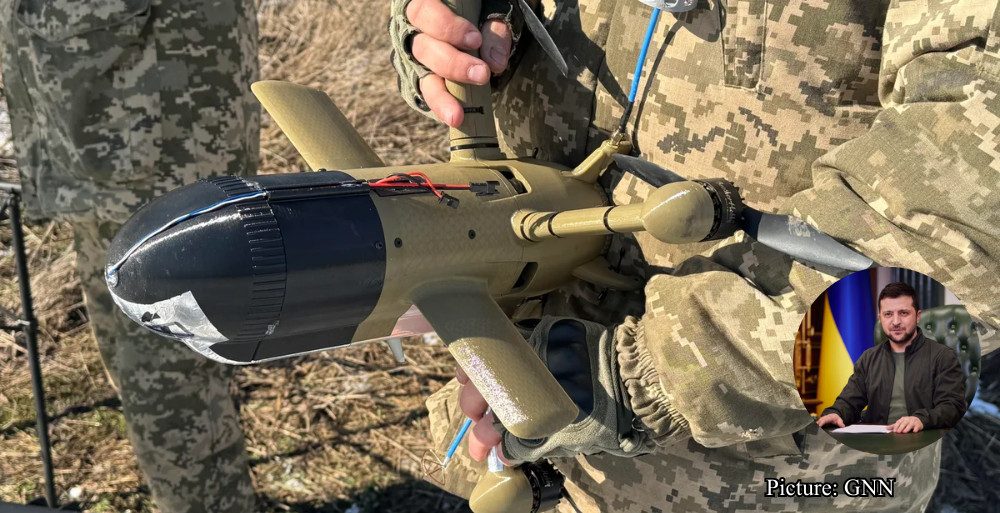
The loss of American life—the first significant casualties of the operation—has sharpened the President’s rhetoric. While Secretary of War Pete Hegseth noted that Iran’s ballistic missile capabilities have been degraded by 90%, the persistence of “lone wolf” drone strikes from IRGC cells remains a lethal threat to the thousands of U.S. troops stationed across the Gulf.
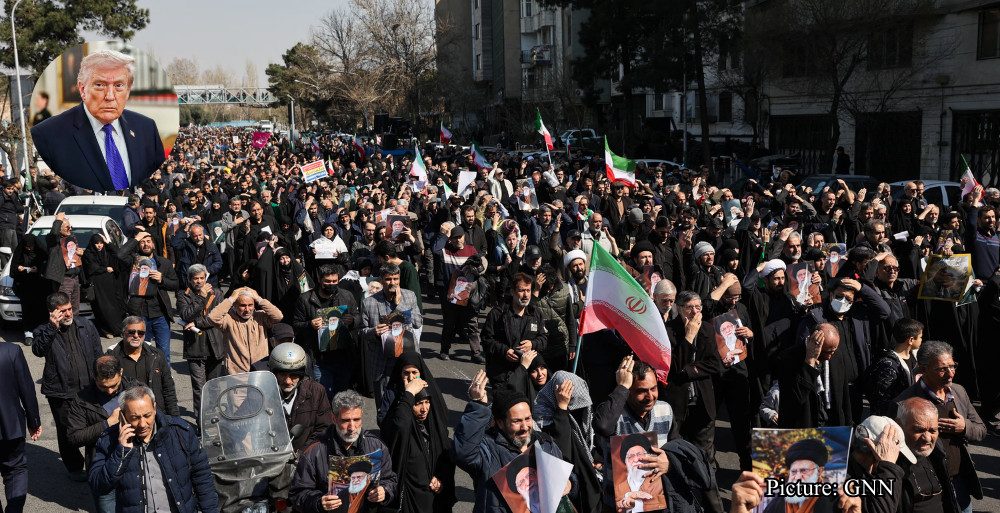
Inside Iran, the situation is increasingly dire. The World Health Organization (WHO) reports that nearly 100,000 people have fled Tehran as the city faces rolling blackouts and a near-total internet shutdown. With the supreme leadership decapitated and the economy in freefall, the U.S. strategy appears focused on forcing a total internal collapse rather than a negotiated settlement.
The New Target List
Defense analysts suggest that Trump’s warning of “new areas” for targeting likely refers to the Artesh (Iran’s regular military) infrastructure or perhaps civil-service administration hubs that were previously spared to allow for a post-regime transition. By threatening “complete destruction,” the administration is signaling that the window for the Pezeshkian government to secure a conditional peace has closed.
The “unconditional surrender” demanded by Washington would require the total dismantling of the IRGC, the permanent handover of all enriched uranium, and the establishment of a transitional government overseen by international observers. For now, the temporary council in Tehran seems unwilling to meet those terms, choosing instead to lean into a war of attrition that is rapidly redrawing the map of the Middle East.