






In a significant diplomatic reversal, the Trump administration has designated India a “crucial partner” in stabilizing global energy markets following the blockade of the Strait of Hormuz. By granting a 30-day sanctions waiver for the purchase of millions of barrels of Russian crude, Washington is leveraging New Delhi’s massive refining capacity to prevent a catastrophic spike in domestic gasoline prices for both American and Indian consumers.
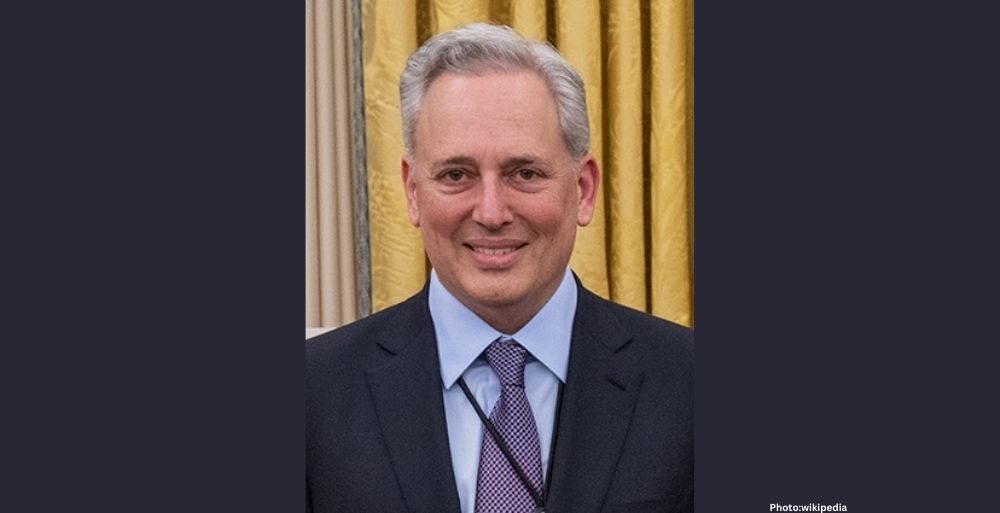
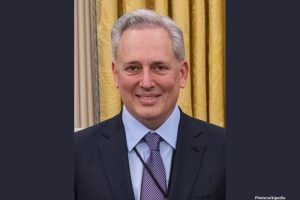
The volatile geopolitics of 2026 reached a pragmatic detente this week as the United States formally recognized India’s role as a global “clearinghouse” for energy stability. Speaking on Wednesday, U.S. Ambassador Sergio Gor lauded New Delhi for its efforts in maintaining market equilibrium, even as Indian refiners tapped into controversial Russian supplies to bypass the paralysis of the Middle East’s most vital shipping artery.
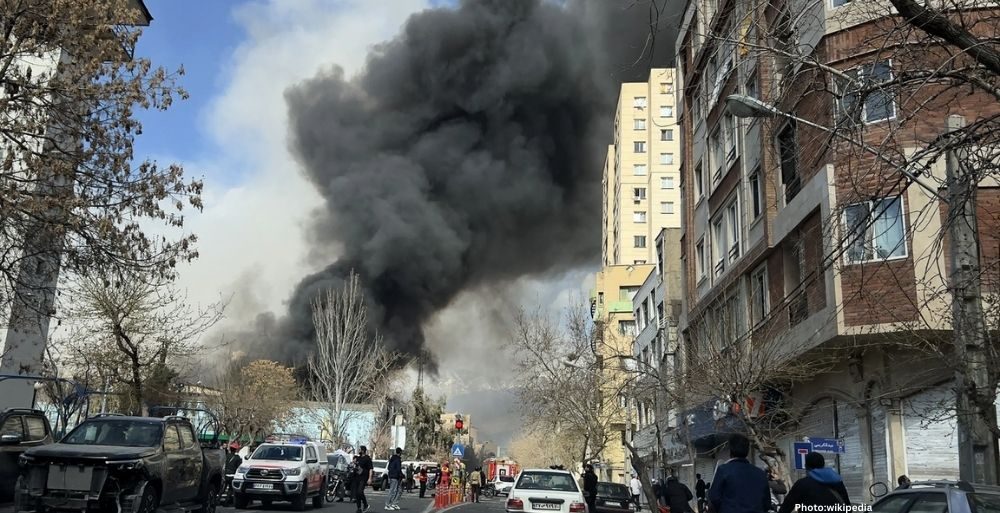
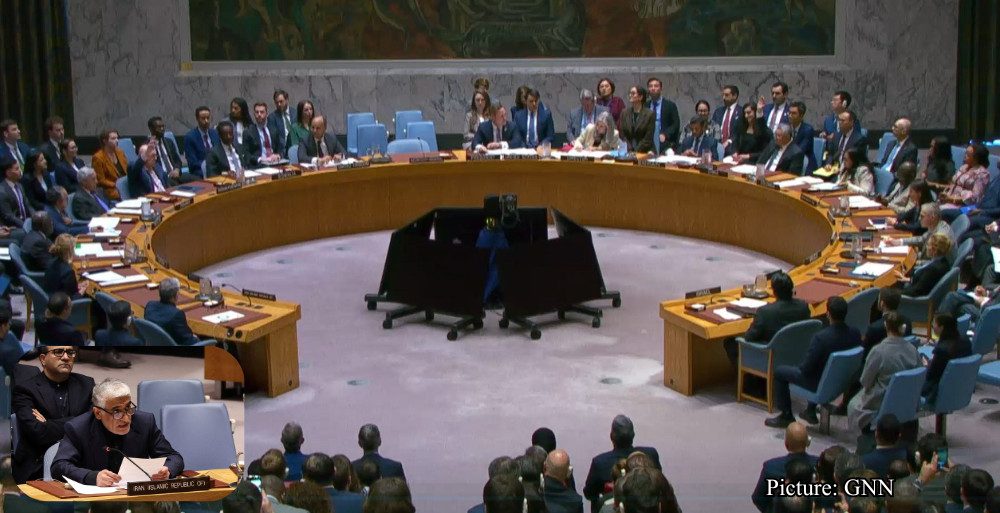
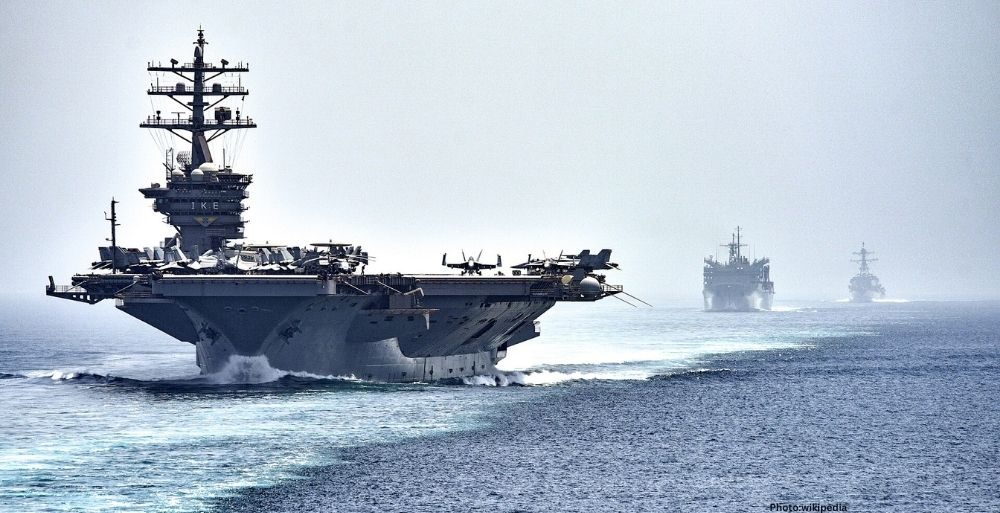
The shift in rhetoric follows the joint U.S.-Israeli strikes on Iran—part of “Operation Epic Fury”—which triggered the closure of the Strait of Hormuz. With one-fifth of the world’s oil supply effectively trapped in the Persian Gulf, global energy markets have teetered on the brink of a systemic shortage. In response, the Trump administration has issued a temporary, 30-day waiver allowing Indian refiners to accept Russian oil already in transit, a move designed to alleviate the supply gap without fundamentally undermining the broader sanctions regime against Moscow.
The “Bridge” Strategy: Clearing Stranded Crude
The decision to grant the waiver was born of logistical necessity. Since the blockade began, approximately 30 million barrels of Russian crude had been left stranded in international waters, unable to reach their intended markets or find willing buyers under current sanctions. According to data from Bloomberg, state-run giants like Indian Oil and private behemoths like Reliance Industries have moved aggressively to secure these shipments.
White House Press Secretary Karoline Leavitt clarified that the measure is a “pragmatic response” to the Iranian blockade. By allowing India—one of the world’s largest refiners—to process this “orphaned” oil, the U.S. ensures that refined products like diesel and gasoline continue to flow into the global market, thereby cooling prices at American pumps. The administration argues that because the oil was already on ships and “in the pipe,” the immediate purchases do not provide a significant new revenue stream to the Kremlin.
From Punitive Tariffs to Strategic Partnership
This diplomatic thaw marks a sharp departure from the early days of the Trump administration, which had previously imposed punitive tariffs on India to discourage its energy ties with Moscow. However, following a series of high-level negotiations, the administration removed those tariffs in exchange for New Delhi’s commitment to eventually phase out Russian imports in favor of U.S. shale oil.
The current crisis has temporarily paused that transition. Treasury Secretary Scott Bessent and Energy Secretary Chris Wright have both characterized the move as a vital “short-term stopgap.” “This temporary measure is designed to alleviate the supply gap caused by the Strait of Hormuz closure,” Bessent stated, emphasizing that the U.S. remains confident that India will increase its long-term intake of American oil once the blockade is lifted.
Market Stabilization and Refining Power
India’s unique position as a refining powerhouse—anchored by the massive Jamnagar complex—allows it to absorb various Russian oil grades and convert them into standardized products for global consumption. This capacity has made India an indispensable “middleman” in a fragmented global economy. Ambassador Gor noted that it is essential for the two nations to work “hand in hand” to ensure market stability for both Indians and Americans.
The geopolitical calculation is clear: Washington is willing to tolerate “gray market” oil movements in the short term to prevent a domestic political backlash from rising fuel costs. For New Delhi, the waiver provides a crucial shield against the energy inflation currently battering other Asian economies like South Korea and Thailand, which remain more heavily dependent on direct Middle Eastern imports.
As the 30-day window begins to close, the focus will shift back to the Strait of Hormuz. If the blockade persists, the administration will face a difficult choice: extend the “Russian bridge” or risk a renewed surge in global oil prices that could derail the broader economic recovery.