






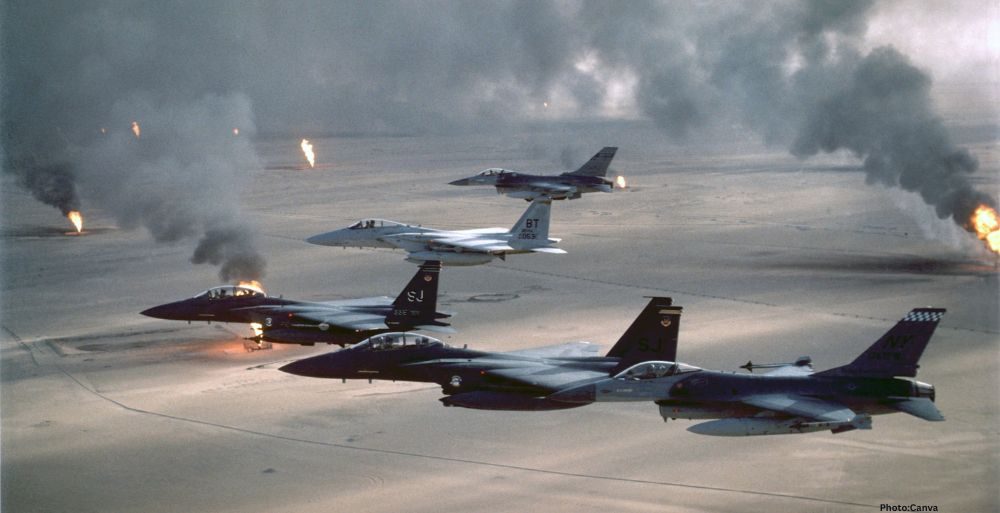
The conflict in the Middle East escalated dramatically on Thursday as Israel launched a fresh wave of military strikes targeting sites in Tehran and Beirut, while Iran responded with a drone attack targeting infrastructure in Bahrain. The widening confrontation has intensified fears of a broader regional war as casualties mount and international political tensions rise.
The latest developments come days after coordinated strikes by United States and Israel on Iranian targets over the weekend, which triggered retaliatory attacks and a rapid escalation of hostilities across multiple fronts.
New Israeli Strikes Hit Tehran and Beirut
Israeli officials confirmed that the country’s military carried out new airstrikes across Tehran early Thursday, targeting what it described as strategic military installations linked to Iran’s security infrastructure. The attacks marked one of the most significant direct Israeli operations inside Iran since the conflict began.
According to Israeli military statements, the strikes were aimed at weakening Iran’s operational capabilities and preventing further attacks on Israeli and allied interests in the region.
At the same time, Israeli forces also launched strikes in Beirut against facilities allegedly connected to Hezbollah, the powerful Lebanese militant group backed by Iran. Israel has long accused Hezbollah of maintaining extensive weapons depots and command centers in residential areas of the Lebanese capital.
Explosions were reported in several parts of Beirut overnight, with residents describing intense airstrikes and the sound of fighter jets flying overhead. Lebanese authorities have not yet released detailed casualty figures from the attacks, though emergency responders were seen searching damaged structures for survivors.
The dual operations in Iran and Lebanon suggest Israel is expanding the scope of its military campaign beyond a single battlefield.
Iran Targets Infrastructure in Bahrain
In response to the expanding military pressure, Iran launched a drone strike targeting an Amazon data center in Bahrain, according to reports from the Islamic Republic News Agency, a state-affiliated Iranian media outlet.
Bahrain hosts several strategic facilities used by Western companies and allied governments. The targeted data center reportedly supports regional cloud computing operations for businesses and institutions across the Gulf.
Officials in Bahrain have not yet confirmed the extent of damage caused by the drone attack, but security forces were deployed around critical infrastructure sites across the country following the incident.
The strike marks a notable shift in the conflict, suggesting Iran may target technological and economic infrastructure tied to Western interests in the region rather than focusing solely on military installations.
Death Toll Continues to Rise
Inside Iran, the human toll of the conflict continues to grow. The Human Rights Activists News Agency (HRANA), a U.S.-based monitoring group that tracks developments in Iran, reported that more than 1,000 people have been killed since the United States and Israel began strikes over the weekend.
The reported deaths include civilians, members of the Iranian military, and emergency personnel responding to attacks. Iranian officials have not yet provided a full official casualty count but have acknowledged widespread destruction in several cities.
Images from Tehran and other urban centers show damaged government buildings, destroyed vehicles, and rescue crews working through rubble to search for survivors. Hospitals in multiple provinces have reportedly been placed on emergency alert to handle the surge of casualties.
Humanitarian organizations have expressed concern that the death toll could continue to rise as rescue operations progress and additional strikes occur.
Pentagon Identifies U.S. Service Members Killed in Kuwait
Meanwhile, the United States Department of Defense has publicly identified the final two U.S. service members killed in a drone attack that took place Sunday in Kuwait.
The soldiers were part of units supporting the 1st Theater Sustainment Command, a key logistics command responsible for maintaining U.S. military operations across the Middle East.
According to the Pentagon, the drone strike targeted a facility used by American forces and was believed to be carried out by groups aligned with Iran. Several personnel were injured in the attack in addition to those killed.
U.S. officials said security measures have since been strengthened at American bases and facilities across the region to guard against further attacks.
The identification of the fallen service members comes as the United States continues to increase its military readiness in response to the escalating conflict.
Senate Effort to Limit Trump’s War Powers Fails
In Washington, political tensions surrounding the conflict also intensified. A resolution introduced in the United States Senate that sought to limit President Donald Trump’s authority to conduct military operations against Iran failed after Republican lawmakers voted against the measure.
The proposal would have required the president to obtain congressional approval before initiating further military action targeting Iran.
Supporters of the resolution argued that Congress must play a central role in authorizing military engagements that could potentially lead the United States into a broader war.
However, opponents contended that restricting presidential authority during an ongoing crisis could undermine national security and limit the government’s ability to respond quickly to emerging threats.
The failed vote leaves the administration with broad authority to continue military operations without additional congressional approval.
U.S. Military Signals Deeper Strikes
Adding to concerns about further escalation, the chairman of the Joint Chiefs of Staff indicated that U.S. forces may intensify their operations against Iranian targets.
Speaking to reporters, the top military officer said the United States could begin “striking progressively deeper” into Iran if the conflict continues to escalate.
While no specific targets were disclosed, the statement suggested that American military planners are preparing for the possibility of expanded operations.
The remarks came amid growing signs that the conflict could extend beyond initial targets and involve broader strategic infrastructure inside Iran.
Regional and Global Concerns Grow
The expanding military operations have raised alarm among governments across the Middle East and beyond. Several countries have urged restraint and called for diplomatic efforts to prevent a wider regional war.
Energy markets are also closely watching the conflict due to the Middle East’s critical role in global oil production and shipping routes. Analysts warn that prolonged fighting could disrupt energy supplies and trigger economic instability worldwide.
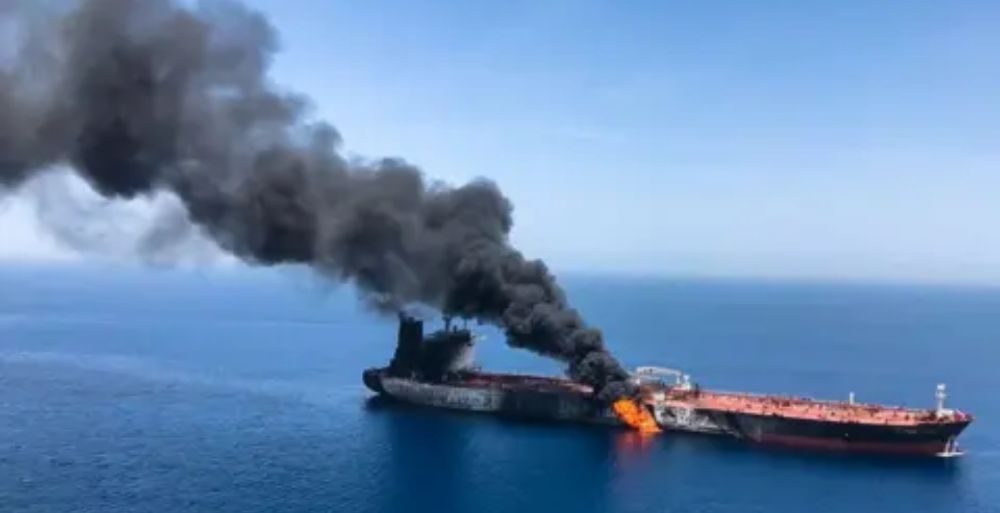
Commercial shipping companies have already begun reassessing routes through key waterways in the region, including the Persian Gulf and surrounding maritime corridors.
At the same time, foreign governments are advising their citizens to avoid travel to certain areas and preparing contingency plans for evacuations if the security situation deteriorates further.
Uncertain Path Forward
As the conflict enters another day of violence, the situation across the Middle East remains highly volatile. The new Israeli strikes in Tehran and Beirut, Iran’s drone attack in Bahrain, and rising casualty figures underscore the scale of the crisis.
Military analysts say the coming days could prove decisive in determining whether the conflict remains limited or evolves into a broader regional confrontation involving additional actors.
For civilians across the region, however, the impact is already being felt through destruction, displacement, and growing uncertainty about what lies ahead.
With diplomatic efforts struggling to gain traction and military operations continuing, the Middle East now faces one of its most dangerous periods of instability in recent years.