






Afghanistan has leveled a devastating accusation against Pakistan, alleging that an aerial bombardment of a drug rehabilitation center in Kabul has claimed more than 400 lives. While Islamabad has issued a firm denial, the incident threatens to ignite a full-scale diplomatic and military crisis between the neighboring nations.
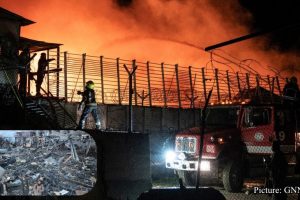
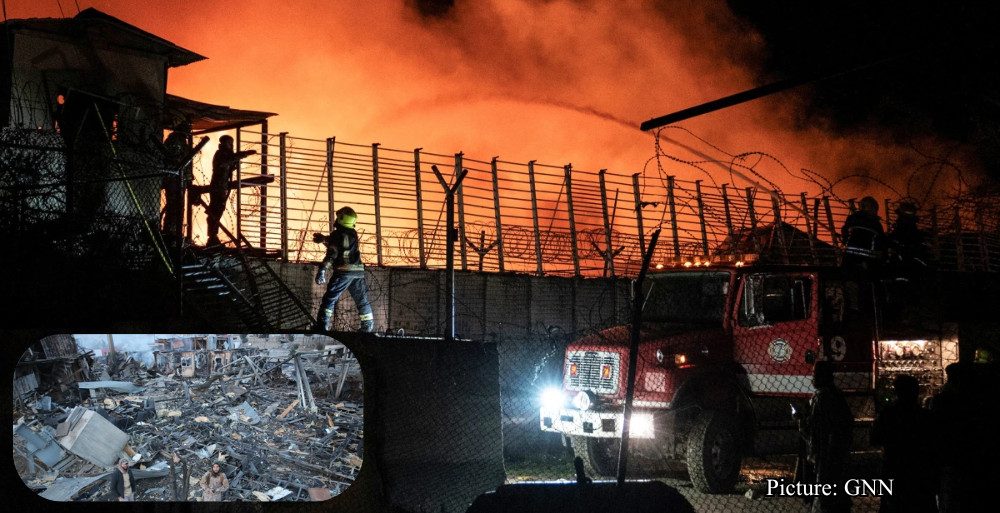
The fragile stability of Central Asia was pushed to the brink on Tuesday as Afghanistan accused the Pakistani Air Force of conducting a high-altitude strike on a civilian hospital in Kabul. According to Afghan officials, the facility, which primarily served as a treatment center for the city’s burgeoning population of drug addicts, was leveled in the attack. The reported death toll has climbed rapidly to over 400 people, a figure that, if verified, would mark one of the single deadliest instances of cross-border violence in the region’s modern history.
The allegations have sent shockwaves through the international community, coming at a time when relations between the two neighbors are already frayed by disputes over border security and militant safe havens. A spokesperson for the Afghan government described the scene as “a catastrophe of unimaginable proportions,” claiming that the victims were among the most vulnerable members of society, seeking medical assistance and rehabilitation.
Islamabad moved swiftly to counter the narrative, issuing a categorical denial of the Afghan claims. While Pakistan confirmed it had conducted “targeted strikes” within the region, defense officials maintained that their operations were strictly limited to known terrorist encampments near the border. In a statement released shortly after the news broke, the Pakistani Ministry of Foreign Affairs characterized the Afghan allegations as “baseless propaganda” intended to deflect from Kabul’s own internal security failures.
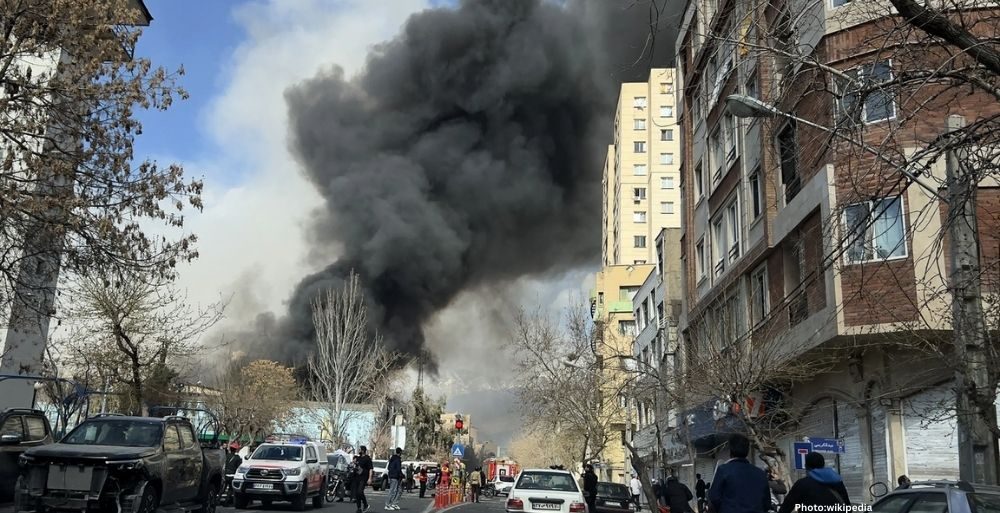
The incident marks a dangerous escalation in the tit-for-tat military maneuvers that have characterized the Durand Line for months. Independent monitors and humanitarian organizations have struggled to gain access to the site due to the ongoing security lockdown in the capital. However, preliminary reports from local witnesses describe a series of massive explosions that shattered windows across several districts of Kabul, followed by a thick plume of smoke rising from the hospital’s coordinates.
Economists and political analysts are warning that this escalation could have severe implications for the regional economy. Trade routes that facilitate the movement of goods between Central Asia and the Arabian Sea are already being disrupted as both nations heighten their border alerts. Investor confidence in the region, which has been tepid at best, is expected to retreat further as the prospect of a conventional military conflict looms. The Afghan Afghani and the Pakistani Rupee both saw increased volatility in offshore trading as news of the strike filtered through global markets.
For the Taliban-led administration in Kabul, the strike serves as a pivotal moment. Since reclaiming power, the government has struggled to gain international legitimacy while simultaneously battling an internal drug epidemic that has left millions of its citizens addicted to opiates. The targeted hospital was considered a cornerstone of their domestic social policy. By framing this as a direct attack on a humanitarian facility, Kabul is clearly attempting to pivot the international narrative, seeking to cast itself as the victim of foreign aggression despite its own pariah status on the world stage.
Meanwhile, the geopolitical fallout is spreading. Major powers, including China and Russia, have called for “maximum restraint,” fearing that a protracted conflict would create a vacuum easily filled by extremist elements. The United Nations has reportedly called for an emergency briefing to determine the veracity of the casualty figures and the origin of the aircraft involved.
The humanitarian cost is already becoming clear. Medics in Kabul are reportedly overwhelmed, with the remaining city hospitals struggling to treat the survivors of the blast. “We are seeing injuries consistent with high-grade military explosives,” one doctor at a nearby clinic reported under the condition of anonymity. “The scale of the trauma is beyond our current capacity to manage.”
As the sun set over the Hindu Kush on Tuesday, the rhetoric from both capitals showed no signs of cooling. Afghan defense officials have hinted at “reciprocal measures,” while Islamabad has reinforced its troop presence along the mountainous frontier. With both nations possessing significant conventional weaponry, the risk of a miscalculation leading to a wider conflagration has never been higher. The coming days will be critical as diplomats scramble to de-escalate a situation that has transformed a medical facility into a flashpoint for potential war.