









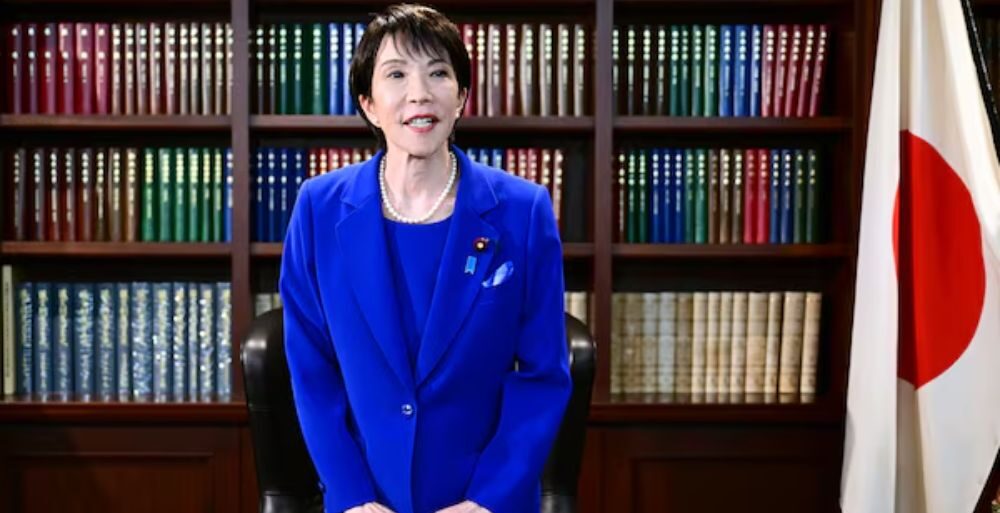
The governing party of Prime Minister Sanae Takaichi secured a historic two-thirds supermajority in a pivotal parliamentary election on Sunday, marking a transformative moment for Japanese politics and the broader Indo-Pacific region. According to preliminary results reported by Japanese media outlets and public broadcaster NHK, Takaichi’s Liberal Democratic Party achieved a landslide victory that provides the Prime Minister with a powerful mandate to pursue her ambitious policy agenda. The election results indicate a significant shift in the domestic political landscape, as voters responded to Takaichi’s personal popularity and her vision for a more assertive Japan on the global stage.
In a televised interview with NHK following the announcement of the sweeping victory, Prime Minister Takaichi expressed her readiness to implement policies designed to enhance Japan’s national strength and economic prosperity. The Prime Minister appeared at the Liberal Democratic Party headquarters early Monday morning, where she was seen placing traditional red ribbons above the names of victorious candidates on a large signboard. The atmosphere at the headquarters was celebratory, with party executives applauding the scale of the win, which has fundamentally reshaped the 465-member lower house of parliament.
NHK reported that the Liberal Democratic Party alone secured 316 seats by early Monday, easily surpassing the 261-seat threshold required for an absolute majority. This performance represents a historic milestone for the party, marking its most significant electoral success since its foundation in 1955. The total surpasses the previous record of 300 seats established in 1986 under the leadership of then-Prime Minister Yasuhiro Nakasone. This overwhelming control of the lower house, which is the more powerful of Japan’s two legislative chambers, grants Takaichi the legislative leverage necessary to override potential resistance in the upper house and advance complex legislative packages.
The election results come as a major personal victory for Takaichi, who made history in October 2024 as Japan’s first female prime minister. After only three months in office, she took a calculated political risk by calling for an early election to capitalize on her high approval ratings and to distance the party from recent funding and religious scandals that had plagued her predecessors. Her campaign style, characterized by observers as a blend of toughness and approachability, appeared to resonate particularly well with younger voters. This demographic, often noted for political apathy in Japan, reportedly turned out in significant numbers, citing Takaichi’s energetic “work, work, work” mantra as a reason for their engagement.
Despite her party’s dominance in the lower house, Takaichi will still need to navigate a more divided upper house, but the sheer scale of the lower house victory provides a massive buffer. Her administration is now expected to move forward with a right-wing agenda focused on boosting Japan’s military capabilities and revitalizing the economy. These goals are set against a backdrop of increasing regional tensions, particularly regarding the maritime activities of China and the evolving security requirements of the alliance with the United States. Takaichi has stated that while she intends to push her goals firmly, she will remain flexible and seek to build broader support within the legislative process where possible.
The geopolitical implications of the win were immediate, with world leaders offering their congratulations. Indian Prime Minister Narendra Modi was among the first to greet Takaichi on what he described as a landmark victory. In a statement released on social media, Prime Minister Modi emphasized the importance of the India-Japan Special Strategic and Global Partnership, noting its vital role in maintaining global peace and stability. The outreach underscores the importance of Japan’s role in the Quad alliance and its strategic ties with other major democracies in the region.
The victory also signals a significant change in Japan’s internal coalition dynamics. Takaichi’s Liberal Democratic Party campaigned alongside its new partner, the Japan Innovation Party, led by Hirofumi Yoshimura. Yoshimura has positioned his party as an accelerator for Takaichi’s right-leaning policies. Meanwhile, the traditional opposition forces struggled to present a unified front. A new centrist alliance, which included the Liberal Democratic Party’s former coalition partner Komeito and the Constitutional Democratic Party of Japan, saw its influence significantly diminished. Projections suggest this opposition bloc may lose up to half of its previous seat count, leaving the anti-government forces splintered and weakened.
The rise of nationalist sentiments was also evident in the success of smaller, surging parties like Sanseito. Exit polls indicated that these anti-globalist groups gained considerable ground, reflecting a broader trend of nationalist and populist growth within the Japanese electorate. Takaichi has successfully tapped into these sentiments by pledging to revise national security and defense policies. A primary objective for her administration is the bolstering of Japan’s offensive military capabilities, which includes lifting long-standing bans on weapons exports and moving the nation further away from its post-war pacifist constraints.
Economic policy remains a central pillar of the Takaichi platform. The Prime Minister has faced pressure to increase defense spending, partly in response to demands from the United States for Japan to contribute more significantly to its own regional security. By securing this supermajority, Takaichi now has the political capital to allocate more resources to the military without the immediate fear of a backlash at the polls. Her administration’s focus on economic revitalization is also expected to include measures aimed at strengthening domestic industries and addressing the long-term challenges of an aging population and labor shortages.
The Prime Minister’s agenda also includes controversial proposals related to anti-espionage laws and stricter policies concerning foreign nationals. While these measures are popular among her conservative base, they have drawn criticism from civil rights advocates and legal experts who warn that such changes could potentially undermine individual liberties. However, the mandate provided by Sunday’s election suggests that the Japanese public is currently prioritized national security and strong leadership over these concerns.
With the next general election not required until 2028, Takaichi has a clear four-year window to reshape Japan’s domestic and foreign policy landscape. This period of political stability is expected to allow for the implementation of complex reforms that have previously been stalled by legislative gridlock or frequent changes in leadership. As Japan moves into this new era, the international community will be watching closely to see how Takaichi’s “strong and prosperous” Japan balances its historical pacifist identity with its new, more assertive military and diplomatic stance. The landslide victory ensures that Takaichi will be the primary architect of this transition, wielding more power than any Japanese leader in decades.