





India is exploring the possibility of guaranteeing long-term imports of Canadian pulse crops as part of renewed trade negotiations between the two countries, according to India’s High Commissioner to Canada, Dinesh Patnaik. The move is aimed at ensuring Canadian farmers continue producing lentils and peas that are critical to India’s food supply.
Patnaik made the remarks while visiting Saskatchewan, Canada’s main pulse-growing province, where he met farmers during the Agribition farm exhibition in Regina. He said both governments are examining options such as fixed import quotas, reduced tariffs, or alternative trade mechanisms to maintain a steady flow of Canadian pulses into the Indian market.
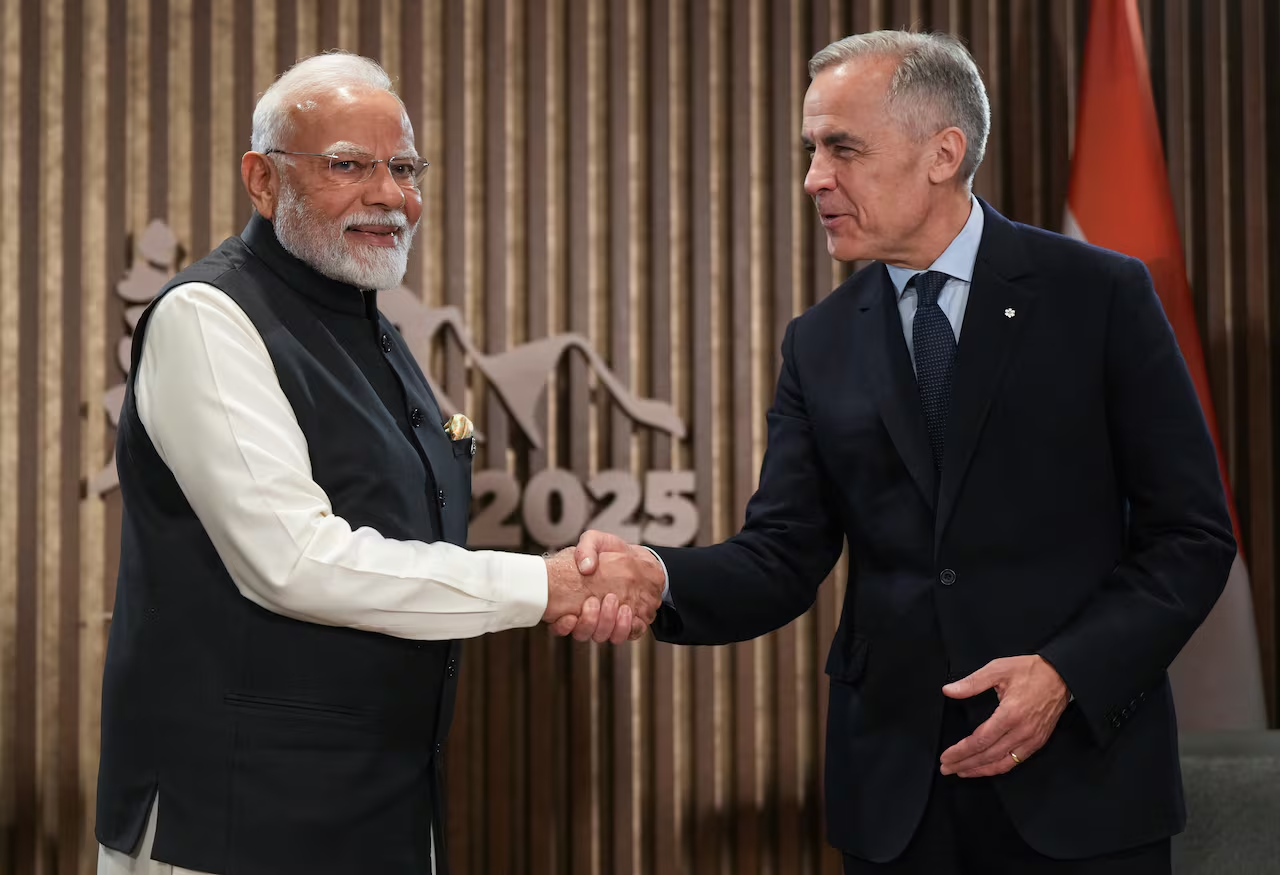
Trade discussions have restarted after a diplomatic thaw between the two nations under Canada’s Prime Minister Mark Carney, with both sides now moving toward reviving talks for a comprehensive bilateral trade agreement.
Canada is one of the world’s leading suppliers of lentils to India and competes closely with Australia for the top spot. It is also a major exporter of peas to India alongside Russia. However, India imposed a 30% import duty on yellow peas effective November 1, following lobbying by domestic farmers seeking price protection.
Canadian growers have warned that the combination of India’s new duty and China’s 100% tariff on Canadian peas has severely hurt their market prospects. China and India together account for two of Canada’s three largest pea export destinations, with the United States being the third. Many farmers now say pea farming may no longer be economically viable and could be dropped from crop plans for 2026.
Patnaik acknowledged that while India aims to become self-sufficient in pulse production over the long term, it will continue to depend on global suppliers to meet domestic demand. He stressed that India does not want Canadian producers to permanently abandon pulse farming. Import restrictions, he added, are mainly used to stabilize domestic prices and support Indian farmers during surplus periods.
Although New Delhi has invested heavily in boosting domestic pulse output, many agricultural analysts remain uncertain whether the country can fully meet its future demand without overseas supply.
Canada’s agriculture and foreign affairs ministries had no immediate response to the envoy’s comments.