






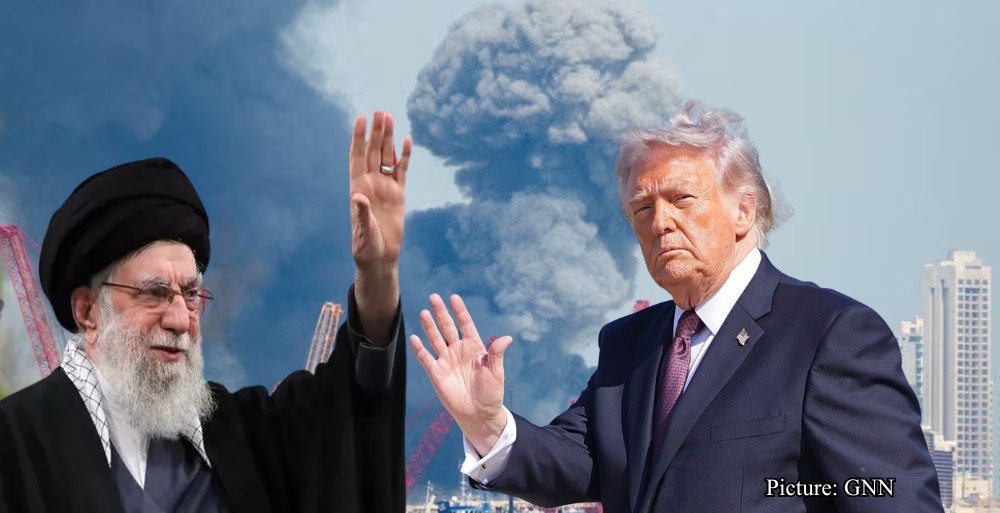
As U.S. strikes hammer Iran’s military infrastructure, fears are mounting that Tehran could unleash Hezbollah, the Houthis and other proxy forces in a wave of retaliatory attacks on American troops, embassies and civilian targets — potentially igniting a broader regional war.
Ongoing U.S. military strikes on Iran risk setting off a chain reaction across the Middle East, potentially prompting Tehran’s network of proxy groups to retaliate against American troops, allies and civilian interests.
Militant organizations aligned with Iran — including Hezbollah in Lebanon, Houthis in Yemen and various Shiite militias in Iraq — could be mobilized to target U.S. service members, diplomatic facilities, commercial ships and civilian sites such as hotels throughout the region, experts warn.
Hezbollah remains a primary concern for counterterrorism analysts. Despite Israeli efforts last year to weaken its leadership, the group is still believed to possess substantial stockpiles of rockets and missiles. Colin Clarke, executive director of The Soufan Center, described Hezbollah as one of the world’s most formidable nonstate actors, capable of inflicting significant damage. In Western capitals, he said, Hezbollah represents the most alarming threat.
Others point to the Houthis as an equally serious risk. A former senior U.S. intelligence official said Washington should be wary of the Yemeni rebels’ demonstrated ability to strike maritime assets and drones — capabilities they displayed during past confrontations. The official suggested Iranian-backed groups could escalate through attacks on shipping lanes, targeted assassinations, kidnappings or operations aimed at destabilizing countries with visible U.S. or Iranian presence, such as Qatar or the United Arab Emirates.
The escalation follows the collapse of diplomatic efforts. Omani Foreign Minister Badr al-Busaidi had indicated that Tehran was willing to relinquish enriched uranium and allow U.S. inspections of nuclear sites. But the Trump administration, demanding an end to uranium enrichment, limits on ballistic missile development and a halt to support for proxy organizations designated as terrorist groups, abandoned negotiations.
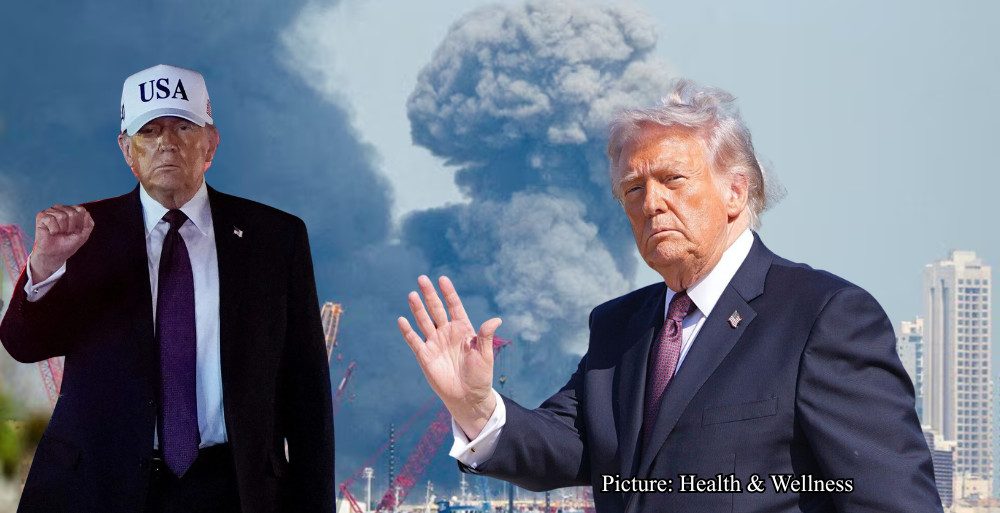
Washington instead launched “Operation Epic Fury,” a sweeping campaign aimed at crippling Iran’s military infrastructure and pressuring the regime. Beginning at 1:15 a.m. EST, U.S. forces used what officials described as the largest American military buildup in the region since the 2003 Iraq invasion to strike Islamic Revolutionary Guard Corps command centers, missile and drone launch sites, airfields and air defense systems.
Security analysts are now watching for signs that Iran may activate its global networks. Clarke expressed concern about potential attacks on U.S. embassies in Europe or civilian targets worldwide, noting that proxy groups have historically targeted non-military sites. If Hezbollah sleeper cells exist abroad, he said, this could be the moment Tehran calls on them.
Javed Ali, a former senior counterterrorism official at the National Security Council and now a professor at the University of Michigan, highlighted Hezbollah’s longstanding ties to Iran and its role in the so-called Axis of Resistance. He also pointed to the Quds Force — the elite external operations arm of Iran’s Revolutionary Guard — as a key player in coordinating unconventional warfare through regional partners.
Still, not all experts believe the threat is imminent. Some argue that years of Israeli and U.S. strikes have degraded the operational capacity of Iran’s proxies. Retired Adm. William Fallon, a former commander of U.S. Central Command, suggested Hezbollah is currently focused on defending its position against Israel and may lack the ability or appetite to expand the conflict to American forces.
Whether Tehran chooses to unleash its network of proxies may depend on both capability and intent. For now, U.S. and allied intelligence agencies are closely monitoring developments, wary that further escalation could transform a direct confrontation with Iran into a far-reaching regional war.