





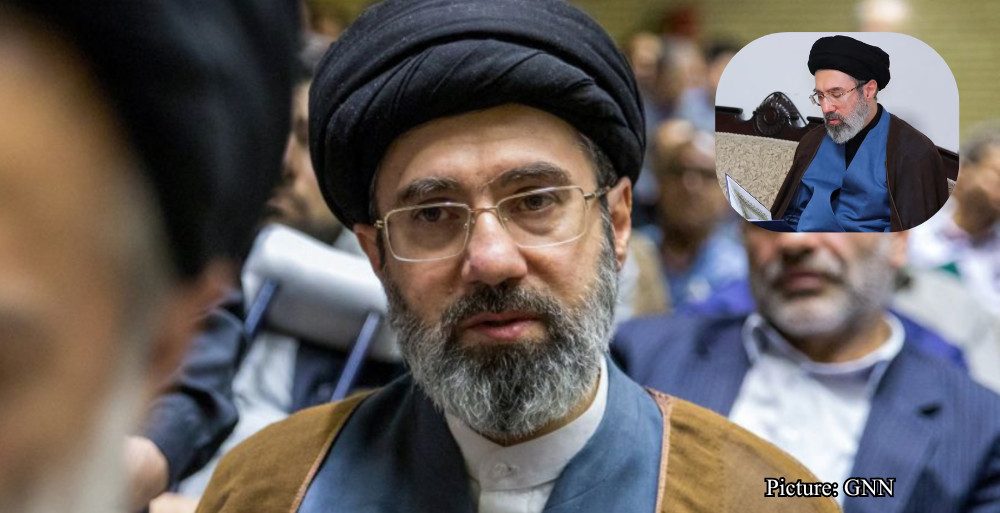
Iran’s newly appointed Supreme Leader, Ayatollah Mojtaba Khamenei, has reportedly dismissed international proposals for a ceasefire, demanding that the United States and Israel first be “brought to their knees.” The defiant stance, relayed by a senior Iranian official, signals a rigid continuation—and perhaps intensification—of the Islamic Republic’s confrontational stance against Western interests.
In a move that has sent tremors through diplomatic circles, Ayatollah Mojtaba Khamenei has utilized his first formal foreign policy session as Supreme Leader to issue a blistering rejection of Western-backed de-escalation efforts. According to a senior Iranian official speaking on the condition of anonymity, the new leader has spurned specific proposals conveyed by two intermediary nations, signaling that the era of “strategic patience” may be over in favor of a more direct, revanchist doctrine.
The official revealed that the Supreme Leader’s stance during the high-level briefing was “very tough and serious,” focusing heavily on a narrative of retribution and military leverage. The rejection of the unnamed intermediaries’ proposals—which reportedly sought a roadmap for a ceasefire or a significant reduction in regional tensions with the United States—was absolute. Khamenei’s response was characteristically uncompromising: he asserted that it is not “the right time for peace” until both the United States and Israel “accept defeat and pay compensation” for recent military and economic damages inflicted upon the Iranian state.
This hardline pivot comes just over a week after the Assembly of Experts selected Mojtaba to succeed his father, the late Ayatollah Ali Khamenei. While the transition was anticipated by some observers, the speed and severity with which the new leader has consolidated power and articulated a war-footing foreign policy has caught many off guard. In the Islamic Republic’s complex power structure, the Supreme Leader holds the ultimate authority over all matters of state, including the military, the judiciary, and the Islamic Revolutionary Guard Corps (IRGC).
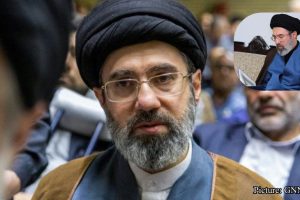
The mystery surrounding the new leader’s physical presence has added a layer of intrigue to the proceedings. The official did not clarify whether the session was attended in person or via a secure remote link, and no new images of Mojtaba Khamenei have been released since his elevation. This lack of visual confirmation has led to intense speculation among intelligence agencies regarding the internal dynamics of the Beit-e Rahbari (the Office of the Supreme Leader) and whether the new leader is currently operating from a fortified location amidst the ongoing regional conflict.
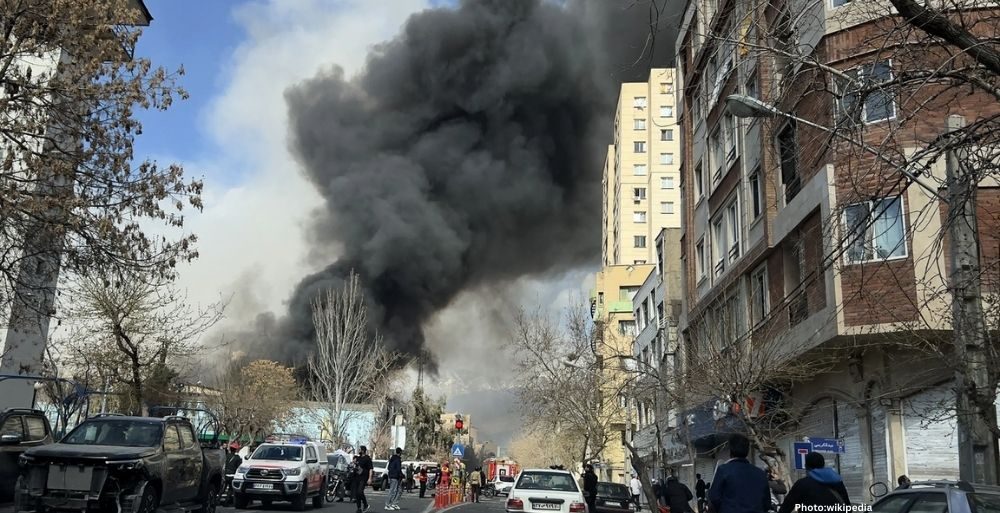
The geopolitical implications of this rejection are profound. By demanding that the U.S. and Israel be “brought to their knees,” the new Supreme Leader is effectively closing the door on the back-channel diplomacy that has traditionally served as a safety valve to prevent total regional war. His demand for “compensation” likely refers to the lifting of crippling economic sanctions and reparations for recent targeted strikes against Iranian nuclear and military infrastructure—demands that the Biden administration and the Israeli government have previously deemed non-starters.
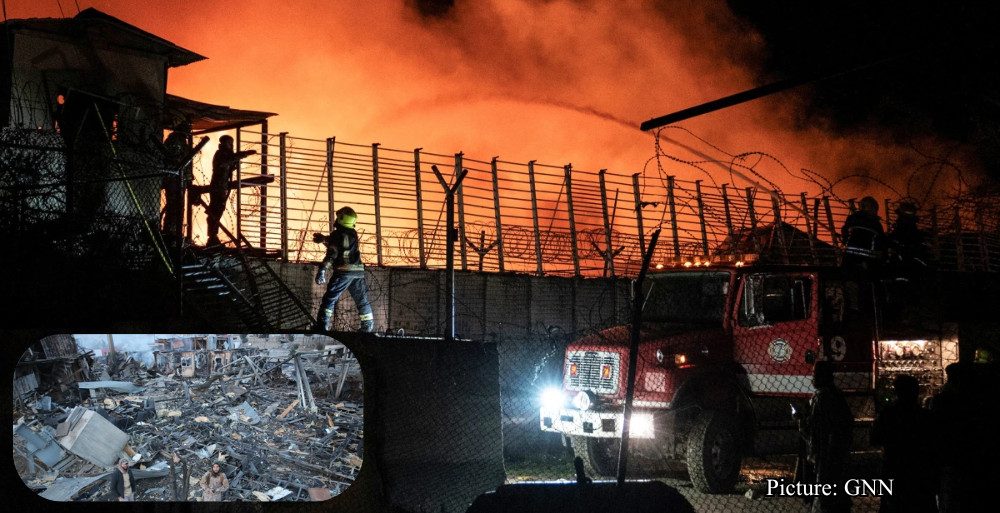
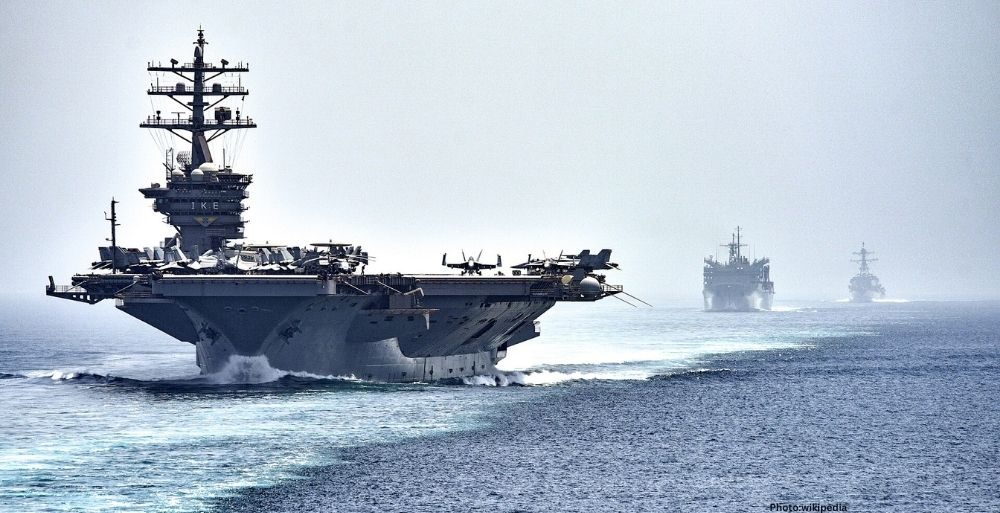
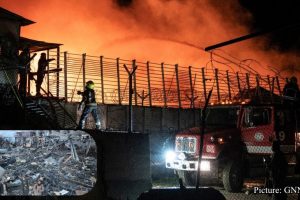
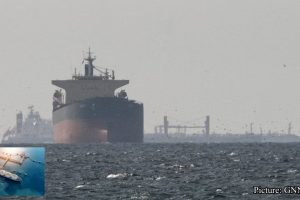
The “revenge” doctrine mentioned by the official suggests that Tehran may be preparing for a sustained period of kinetic activity. This could involve increased support for regional proxies or direct strikes using Iran’s vast arsenal of ballistic missiles and suicide drones. Market analysts suggest that this intransigence is a primary driver behind the current “risk premium” being priced into global energy markets, as the threat of a full-scale blockade of the Strait of Hormuz looms larger.
Furthermore, the postponement of high-level diplomatic engagements by Western leaders—including the recent delay of the U.S.-China summit—reflects a global realization that Tehran’s new leadership is not interested in the “moderate” path some analysts had hoped for. The internal consensus within the Iranian clerical and military establishment appears to have unified behind Mojtaba, viewing his hardline approach as a necessary deterrent against perceived foreign encirclement.
As the international community awaits a formal public address from the new Supreme Leader, the message delivered through back channels remains clear: Iran is prepared for a protracted struggle. For the United States and its allies, the challenge now lies in determining whether this rhetoric is a sophisticated opening gambit for a more favorable deal or a genuine commitment to an escalatory path that could reshape the Middle East for a generation.