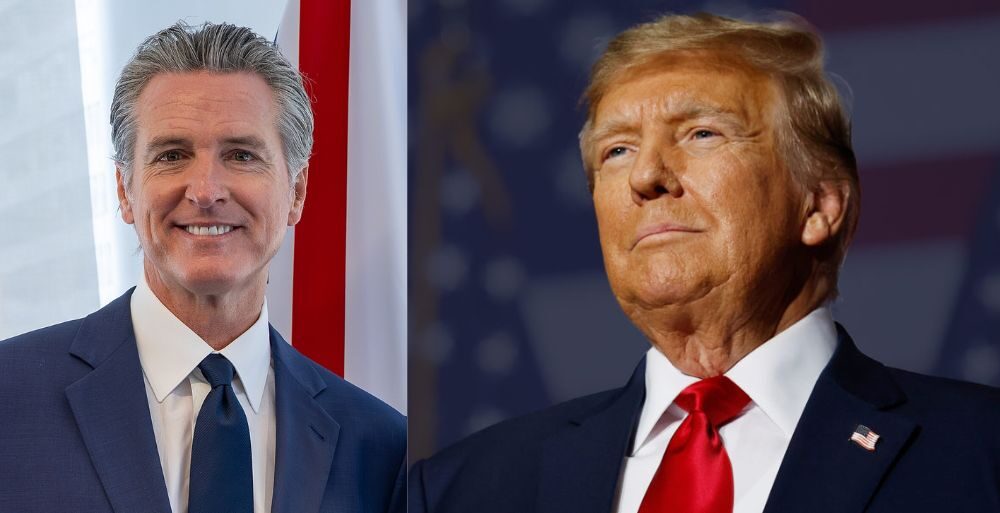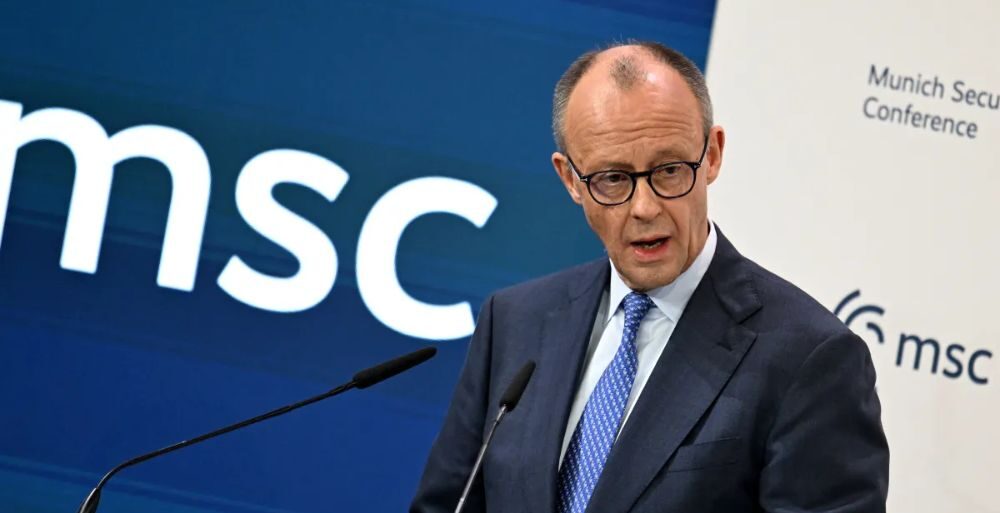





California Governor Gavin Newsom delivered a defiant message to international leaders gathered in Germany this week, asserting that the current political era under President Donald Trump is a transient phase in American history. Addressing the Munich Security Conference, an annual summit focused on global defense and diplomacy, Newsom sought to reassure European allies that the United States would eventually return to a more traditional multilateral approach. The governor specifically highlighted climate policy and international cooperation as areas where California and other domestic entities are maintaining a different course from the federal administration.
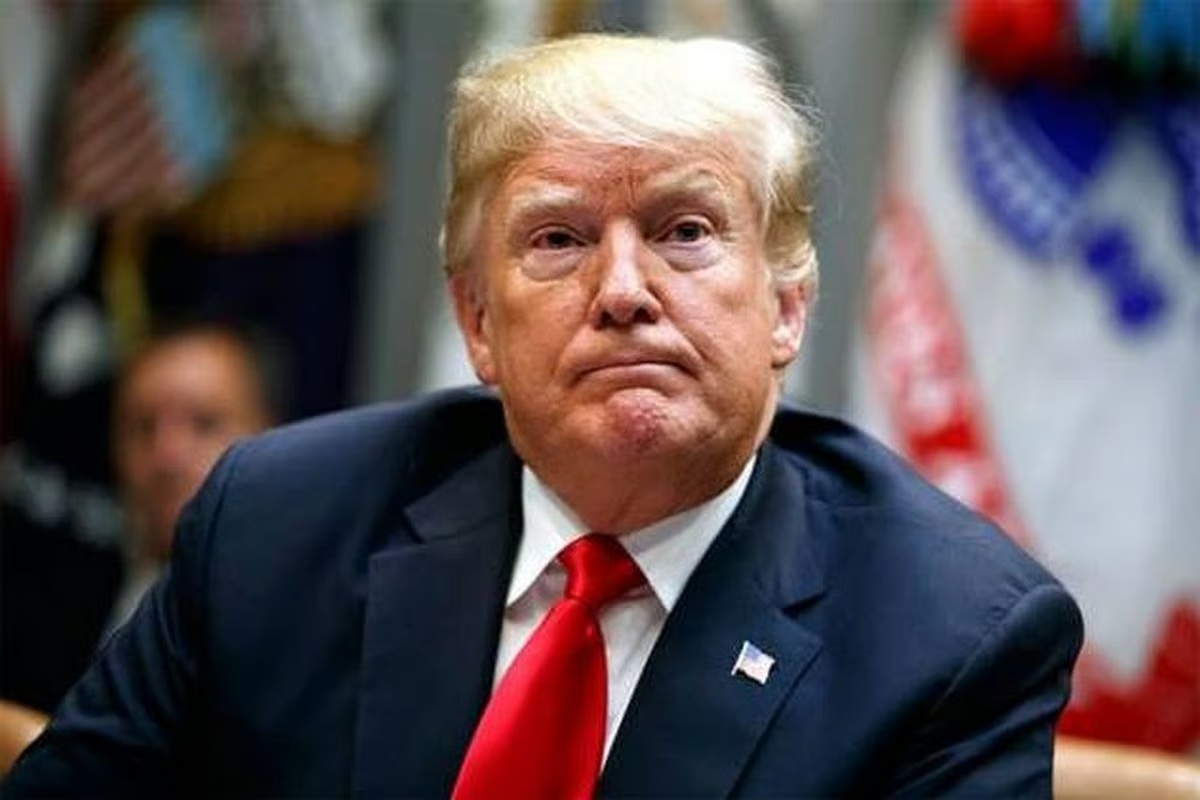
Newsom’s remarks served as a direct challenge to the isolationist and transactional foreign policy favored by the White House. He emphasized that while the current administration has shifted the country’s global standing, the underlying structures of American democracy and its long-term commitments remain intact. By telling the assembled diplomats and heads of state that the president is temporary, Newsom framed the current period as a historical outlier rather than a permanent realignment of American interests. He urged the international community to continue engaging with American leaders at the state and local levels who remain committed to global pacts.
The governor’s appearance in Munich comes at a time of significant tension between the state of California and the federal government. Newsom noted that he faces frequent rhetorical attacks from the president, describing a relationship defined by constant litigation and public disputes. He used his platform to criticize the president\’s conduct, specifically mentioning the use of personal nicknames and what he characterized as an unprofessional approach to governance. Despite these domestic frictions, Newsom’s primary objective in Germany was to project a sense of stability and continuity to a European audience increasingly wary of American reliability.
The Munich Security Conference has become a focal point for the internal American debate over foreign policy. While Newsom and other high-profile Democrats used the event to advocate for a return to traditional alliances, representatives of the Trump administration presented a different vision. Secretary of State Marco Rubio, leading the official U.S. delegation, described the current era as a fundamental shift in geopolitics. Rubio argued that the world is entering a new chapter that requires all nations to reexamine their roles and responsibilities. He suggested that the administration’s approach provides a necessary honesty about the changing nature of global power dynamics.
The contrast between these two visions was further sharpened by the presence of other potential 2028 presidential contenders. Representative Alexandria Ocasio-Cortez also addressed the summit, offering a progressive critique of both the current administration and the historical status quo. Ocasio-Cortez warned that a withdrawal from global engagement could empower authoritarianism, creating a vacuum where powerful leaders carve out geographic domains of influence. She argued that the United States must maintain a rules-based order but emphasized that this order must be rooted in a working-class-centered politics to be truly effective and sustainable.
The skepticism felt by European leaders is rooted in several years of unpredictable policy shifts. Since the beginning of his second term, President Trump has utilized aggressive economic and military measures that have rattled longtime allies. These actions include the imposition of tariffs, threats regarding the acquisition of foreign territories such as Greenland, and persistent demands for NATO members to increase their defense spending. Furthermore, the administration’s willingness to use military force, including strikes on Iranian nuclear facilities and operations in Venezuela, has created a sense of unease regarding the consistency of American military intervention.
Democratic lawmakers in attendance, including Senator Ruben Gallego of Arizona, emphasized the need to rebuild trust. Gallego stated that his goal was to communicate a commitment to restoring steady leadership and reliable partnerships. He framed the current administration’s approach as one of chaos that undermines the ability of the West to meet the rising influence of China. This sentiment was echoed by several analysts who noted that Democrats face the difficult task of reaffirming transatlantic ties while navigating a European political landscape that has grown increasingly cynical about American promises.
The dialogue in Munich also touched on the internal contradictions of Western foreign policy. Ocasio-Cortez called on the United States and Europe to move away from what she described as hypocrisies that weaken democratic moral standing. She cited examples such as the treatment of certain populations and the use of military force against foreign heads of state as vulnerabilities that authoritarian regimes can exploit. Her argument suggested that for democracy to prevail globally, it must adhere to the same rules it expects others to follow, regardless of political or economic convenience.
The perspective of middle powers was also a significant theme during the discussions. Referring back to recent global summits, many leaders have expressed the sentiment that the old world order is not returning. There is an emerging consensus among smaller and mid-sized nations that they must act more cohesively to protect their interests in a world where the traditional superpowers are increasingly focused on bilateral competition. This shift has forced a rethink of how international institutions operate and whether they can still serve as effective mediators in a more fractured geopolitical environment.
As the conference concluded, the focus remained on the domestic political trajectory of the United States. Newsom’s assertion that the current administration’s influence is limited by time served as a rallying cry for those hoping for a shift in 2028. However, the presence of various factions within the Democratic party—ranging from Newsom’s traditional liberalism to Ocasio-Cortez’s progressive populism—indicates that the party is still defining what its own post-Trump foreign policy would look like. While they agree on the importance of alliances, their specific priorities regarding trade, military intervention, and economic justice continue to evolve.
The administration’s representatives remained firm in their belief that the world must adapt to the new American reality. Secretary Rubio’s calls for honesty about the future of geopolitics suggest that the White House views its policies not as a temporary disruption, but as a necessary correction to an outdated system. This fundamental disagreement between the official American delegation and the opposition leaders present in Munich underscores the deep polarization currently defining American leadership on the world stage.
For the international observers in the audience, the competing messages offered little immediate clarity but highlighted the high stakes of the upcoming American electoral cycles. Whether Newsom’s prediction of a temporary presidency holds true or Rubio’s vision of a new era prevails will determine the nature of global security for decades to come. In the meantime, the California governor’s efforts to maintain a distinct diplomatic presence suggest that the sub-national levels of the American government will continue to play an outsized role in international relations.
Governor Gavin Newsom Urges International Leaders to Focus on Post-Trump US Policy