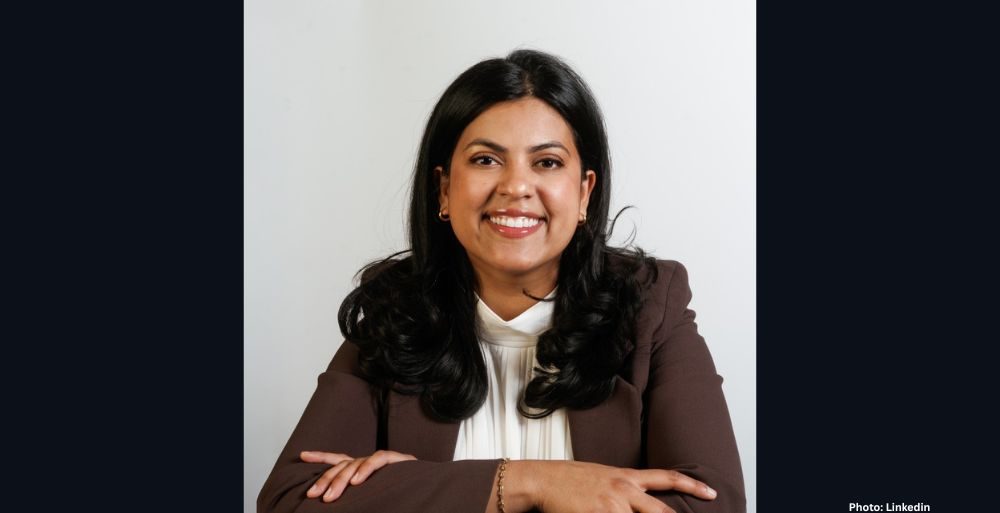









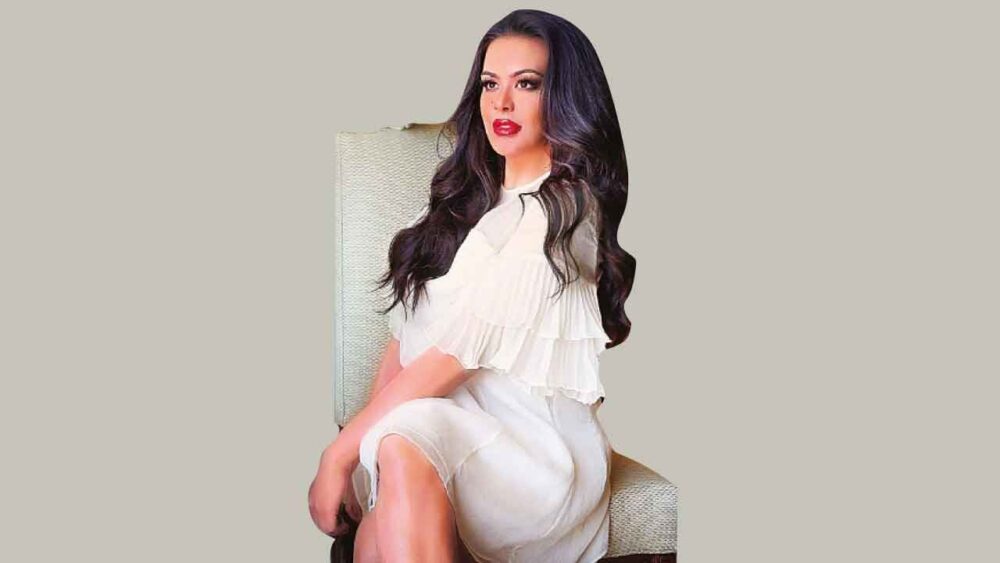
Trishala Dutt, the elder daughter of actor Sanjay Dutt and a practicing psychotherapist based in the United States, has sparked widespread discussion online after sharing a deeply reflective message on independence, societal expectations, and the discomfort caused by women who choose to live life on their own terms.
In a candid Instagram Stories post, Trishala addressed the criticism often faced by women who consciously opt out of conventional milestones such as marriage, parenthood, or a traditionally defined family life. Drawing from both personal insight and psychological understanding, she suggested that society’s unease has less to do with women’s choices themselves and more to do with what those choices represent.
“Do you know why so many people are bothered when some say we don’t really want a marriage, kids, or a mortgage?” she wrote. “Because our freedom challenges their unhappy, unfulfilled formula.”
Her words struck a chord with many, particularly women navigating similar pressures. Trishala pointed out that there is no universal blueprint for happiness or success, yet individuals who diverge from long-standing norms are often quickly judged or dismissed. According to her, independent women are frequently labeled as selfish, immoral, or misguided — not because they are harming anyone, but because their peaceful alternative challenges deeply ingrained beliefs.
“What really unsettles people,” she implied, “is the realization that fulfillment doesn’t come from following a prescribed script.”
Questioning the Idea of a “Correct” Life Path
Trishala emphasized that the purpose of life is not to conform to expectations or seek validation from others, but to create a life that feels authentic and meaningful on a personal level. In another line that resonated strongly online, she wrote, “We’re not here to audition for approval from others. We’re here to build lives that make sense to us, even when they confuse others.”
As a mental health professional, Trishala has often spoken about emotional well-being, boundaries, and self-awareness. Her latest message reinforced the idea that emotional independence can be just as significant — and threatening to the status quo — as financial or social independence.
She also highlighted how these choices can be particularly unsettling in South Asian societies, where traditional expectations around marriage, children, and family structures remain deeply embedded. In such cultural contexts, women who deviate from the norm often face heightened scrutiny, unsolicited advice, and moral judgment.
“Choosing your own direction,” she suggested, “is seen not as a personal right, but as a rebellion.”
She concluded her post with a firm declaration: “I said what I said.”
A Life Lived on Her Own Terms
Trishala Dutt has previously been open about her decision to remain unmarried and live independently in the United States. Over the years, she has shared glimpses of her personal growth journey, often emphasizing self-respect, emotional health, and the importance of breaking unhealthy cycles.
In recent weeks, she has also posted reflective messages about emotional manipulation and self-protection, prompting speculation among social media users about whether the posts were inspired by personal experiences. Trishala, however, has not named or addressed any individual, maintaining her focus on broader emotional themes rather than personal allegations.
Her willingness to speak openly — without sensationalism — has earned her both admiration and criticism, underscoring the very societal tension she described in her post.
Carrying a Legacy, Choosing Her Own Identity
Trishala is the daughter of Sanjay Dutt and the late actor Richa Sharma, who passed away in 1996 after battling a brain tumor. Despite being born into a well-known film family, Trishala has largely chosen a life away from the spotlight, forging her own identity outside the Indian film industry.
Sanjay Dutt later married Maanayata Dutt in 2008, and the couple have twins — a son, Shahraan, and a daughter, Iqra. While her family background often attracts attention, Trishala has consistently positioned herself as an individual first, rather than a celebrity child.
A Conversation That Resonates
Trishala Dutt’s message arrives at a time when conversations around women’s autonomy, mental health, and alternative life choices are gaining greater visibility. By articulating what many feel but hesitate to say, she has added a thoughtful voice to an ongoing cultural shift.
Her reflections suggest that the discomfort society feels toward independent women may not be about morality or tradition — but about confronting the possibility that happiness does not look the same for everyone.
And in stating that truth unapologetically, Trishala has once again chosen authenticity over approval.