








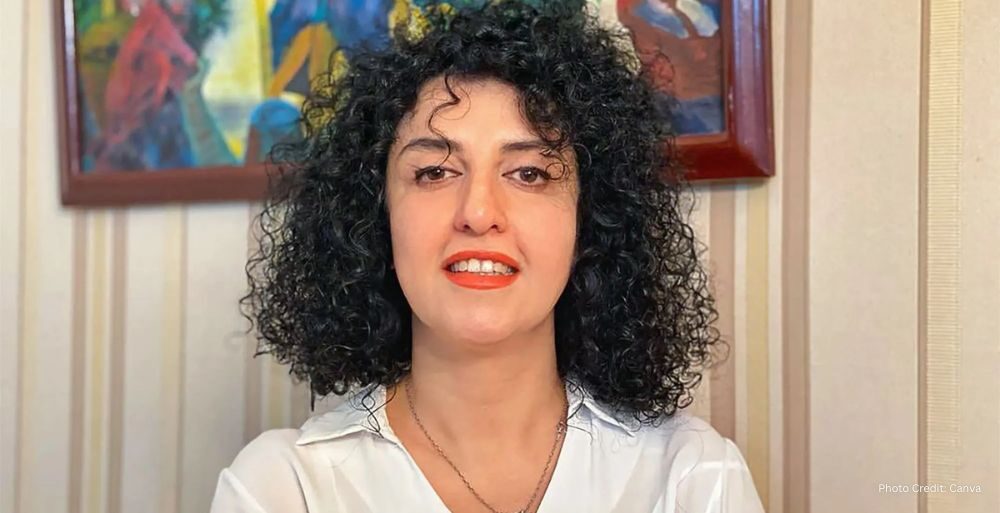
Iranian judicial authorities have sentenced Nobel Peace Prize laureate Narges Mohammadi to an additional seven and a half years in prison, according to a public statement released by her legal counsel on Sunday. The ruling, handed down by a court in the northeastern city of Mashhad, represents the latest escalation in a series of legal actions taken against the prominent human rights activist. Her lawyer, Mostafa Nili, confirmed that the sentence includes six years for gathering and collusion and an additional one and a half years for propaganda activities against the state.
The 53-year-old activist was originally arrested in December during a memorial ceremony where authorities alleged she made provocative remarks. Following the court proceedings, Nili reported that Mohammadi has also been issued a two-year travel ban and ordered to spend two years in exile in the remote eastern Khusf region. This latest development adds to a decade of incarceration already served by the laureate, who was awarded the Nobel Peace Prize in 2023 for her tireless advocacy against the oppression of women and her commitment to human rights in the Islamic Republic.
The Narges Foundation, an organization dedicated to supporting her mission and welfare, characterized the judicial proceedings as a sham and a predetermined outcome. According to the foundation, Mohammadi initiated a hunger strike on February 2 to protest her treatment and the lack of due process. Nili stated that his client had been briefly hospitalized three days prior to the sentencing due to a significant decline in her physical health, though she was subsequently returned to the detention center.
During a brief telephonic communication, the first allowed since mid-December, Mohammadi attempted to describe the circumstances of her detention before the line was disconnected by prison officials. Her husband, Taghi Rahmani, who currently resides in exile, noted that his wife chose to offer no defense during the court session. Rahmani explained that she maintains a steadfast belief that the Iranian judiciary lacks legitimacy and views the legal proceedings as a charade intended to silence dissent. He confirmed that while she was likely compelled to attend the hearing, she remained entirely silent and refused to sign any official documentation.
Rahmani has characterized the new sentence as cruel and profoundly unfair, calling upon the international community and human rights organizations to stage formal protests against the ruling. The activist’s daughter, Kiana Rahmani, expressed grave concern for her mother’s survival given the recurring reports of physical abuse and medical neglect within the Iranian penal system. Family members allege that Mohammadi was severely beaten by security forces during her December arrest, requiring hospital treatment for injuries sustained at the hands of plainclothes agents.
The latest sentencing brings the cumulative total of prison time ordered against Mohammadi to approximately 44 years. Since 2021, she has been serving a 13-year sentence for various national security charges, all of which she has consistently denied. Although she was granted a brief three-week medical furlough from the notorious Evin prison in late 2024, she was returned to custody shortly thereafter. Her most recent arrest occurred while she was attending a memorial for Khosrow Alikordi, a human rights lawyer whose recent death under suspicious circumstances has prompted calls for an independent international inquiry.
Witnesses at the memorial service reported that approximately 15 plainclothes agents attacked Mohammadi, using batons and clubs. Conversely, Mashhad prosecutor Hasan Hematifar told state-aligned media outlets that Mohammadi was among dozens arrested for inciting the crowd to chant norm-breaking slogans and disturbing the public peace. The Iranian government has frequently used such charges to target individuals who criticize the administration or the Supreme Leader, Ayatollah Ali Khamenei.
Mohammadi was a prominent signatory of a recent petition that held the Iranian leadership responsible for what activists describe as crimes against humanity. This petition followed the violent suppression of widespread civil unrest that began in late December, during which thousands were detained. The US-based Human Rights Activists News Agency estimates that more than 50,000 individuals have been arrested in connection with these demonstrations, with thousands of confirmed fatalities. The petition specifically called for the prosecution of those who carried out orders resulting in the death of protesters and advocated for fundamental structural changes to the nation’s governance.
The crackdown has extended beyond Mohammadi to include several other high-profile figures. Activists Abdollah Momeni, Mehdi Mahmoudian, Vida Rabbani, and Ghorban Behzadian-Nejad have all been detained since the end of January. These arrests appear to be part of a broader strategy by the Iranian judiciary to dismantle the network of intellectuals and organizers who have publicly challenged the state’s authority. International observers note that the timing of these sentences often coincides with periods of heightened domestic tension or international scrutiny.
The conditions within the detention centers where Mohammadi is held have long been a subject of concern for the United Nations and various humanitarian groups. Reports of overcrowding, lack of adequate medical care, and the use of solitary confinement as a punitive measure are frequent. Mohammadi’s supporters argue that her continued imprisonment is a direct response to her global recognition and the influence her Nobel win has granted her on the international stage. They maintain that the state seeks to isolate her from both the Iranian public and her international allies through geographical exile and restricted communication.
As the legal landscape for activists in Iran becomes increasingly perilous, the international community faces growing pressure to address the treatment of political prisoners. Human rights organizations have reiterated that the targeting of Nobel laureates and legal professionals undermines the rule of law and violates international treaties to which Iran is a signatory. The Narges Foundation continues to monitor her health status, which remains precarious following her most recent hunger strike and the reported physical altercations during her transfer to Mashhad.
The situation remains fluid as legal representatives attempt to navigate the opaque Iranian appeals process. However, given the nature of the charges and the political context of the Mashhad court, observers remain skeptical about the possibility of a successful appeal. Taghi Rahmani continues to advocate for the unconditional release of all political prisoners in Iran, emphasizing that the struggle for human rights and gender equality cannot be suppressed through incarceration. The global visibility of Mohammadi’s case serves as a focal point for the broader movement seeking democratic reforms and the protection of civil liberties in the region.