







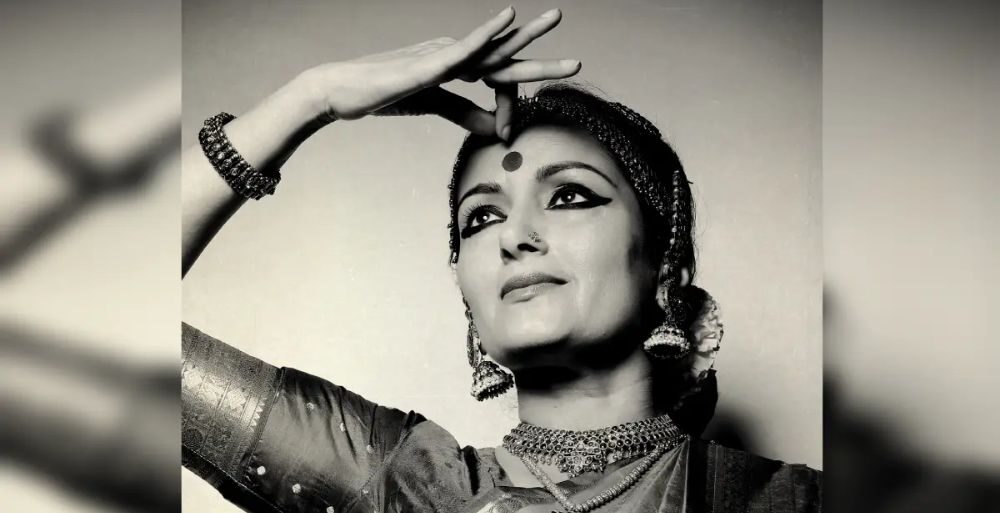
The rapid evolution of digital platforms has fundamentally altered the relationship between artistic creation and public consumption, forcing a shift in how creators prioritize their process.
Savitha Subramanian, a prominent Bharatanatyam artist and scholar, has raised significant concerns regarding the encroaching influence of social media on the integrity of the performing arts. After three decades in the San Francisco Bay Area, Subramanian, who holds a Master of Arts in Theatre Arts and has extensive experience in film and stage, now operates out of Chennai. From this vantage point, she observes a landscape where the digital presence of an artist has moved from a peripheral necessity to a central, often stifling, requirement for professional survival. What was once described as an elephant in the room has, in her view, transformed into a restrictive environment that dictates the pace and nature of creative output.
The core of the issue lies in the utilitarian role that social media plays for independent artists. In an era where traditional funding for elaborate marketing campaigns is increasingly scarce, platforms like Instagram, TikTok, and Facebook offer a free, accessible alternative to attract audiences. For many performers, these tools are indispensable for showcasing their thoughts, progress, and final works. However, this accessibility comes with a hidden cost. Subramanian posits a critical question for the modern creator: whether one is posting to dance or dancing to post. This distinction highlights the difference between using social media as a vehicle to secure more performances and outreach versus manufacturing art specifically to satisfy the demands of a digital algorithm.
As the digital landscape evolves, the “byte size” of content continues to shrink. The transition from full-length performances and in-depth interviews to rapid-fire clips has significantly impacted the collective attention span of the audience. The lexicon of the artist has shifted from the nuances of movement and narrative to technical jargon such as hooks, bait, fades, and branding. The focus on cover pictures, collaborations, tags, and hashtags has begun to overshadow the actual substance of the work. When the primary goal of a performance is to capture a viral reel or a story, the ephemeral nature of the platform begins to dictate the artistic choices made in the studio.
Subramanian argues that this digital-first approach creates a disconnect when the artist eventually moves from the screen to the physical stage. On stage, the metrics of social media—likes, shares, and engagement rates—cease to hold any value. The success of a live performance is determined by hours of rigorous practice, deep ideation, and a slow-cooked creative process. It is this “marinating” of the work that produces art capable of affecting both the artist and the spectator. If the work fails to reach out and touch the audience on a human level, the fundamental purpose of making art is brought into question.
There is a growing trend of live performances that increasingly resemble extended versions of social media posts. This aesthetic shift suggests that the parameters of the digital “cage” are now being mapped onto the physical theater. Artists find themselves judged, worshipped, or criticized within the narrow confines of vertical or horizontal screen orientations. This constant gaze has led to a sense of imprisonment, where the ever-changing parameters of social media platforms determine what is seen and what is written off. The pressure to conform to these digital standards risks diluting the depth and spiritual resonance that traditional forms like Bharatanatyam have cultivated over centuries.
The global reach of these platforms also introduces a paradox for the Indian-American artistic community and those in the diaspora. While social media allows for a seamless connection between Chennai and the Bay Area, it also flattens the cultural context of the work. The nuances of a classical tradition can easily be lost when edited down to a fifteen-second montage designed for maximum engagement. The challenge for the modern artist is to navigate these cages without losing the soul of their craft. For Subramanian, the preservation of the artistic process is paramount, ensuring that the work remains a transformative experience rather than a mere commodity for the digital marketplace.
Furthermore, the psychological impact on the artist cannot be ignored. The constant need for validation through digital metrics creates an environment of perpetual comparison and performance anxiety. When an artist is focused on the “hook” to prevent a viewer from scrolling past, the meditative and introspective qualities of dance are often the first to be sacrificed. This creates a cycle where the art is produced not for the sake of expression or tradition, but to satisfy a technical requirement of a platform. The “zoo” of social media, as Subramanian describes it, keeps the artist in a state of high-visibility confinement, where the freedom to fail or to create slowly is restricted by the need for consistent “content.”
As the industry moves forward, the dialogue surrounding the intersection of technology and art must address these structural changes. While the marketing benefits of social media are undeniable, the cost to the artistic soul is a price that many, including Subramanian, are beginning to question. The future of performing arts may depend on the ability of creators to reclaim their process from the dictates of the algorithm, ensuring that when they stand on stage, they are dancing for the art itself rather than for the post that follows. The balance between digital outreach and artistic integrity remains one of the most pressing challenges for the contemporary artist in a hyper-connected world.
In conclusion, the observations made by Savitha Subramanian serve as a vital reminder of the importance of the creative process. In a world that prizes speed and brevity, the slow, intentional work of the artist remains the only thing that can truly touch the spectator. By recognizing the limitations and the “caged” nature of social media, artists can begin to find ways to use these tools without being defined by them. The goal remains the same as it has always been: to create art that transcends the medium, whether that medium is a vertical screen or a hallowed stage.