




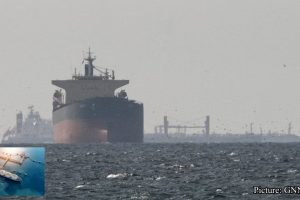

After months of claiming total military self-sufficiency in the escalating conflict with Iran, President Donald Trump has abruptly shifted course, demanding that NATO and Pacific allies provide naval assets to secure the Strait of Hormuz. The pivot highlights a stark disconnect between the administration’s “America First” rhetoric and the operational realities of maintaining a global maritime chokepoint against mounting Iranian aggression.
The hallmark of the Trump administration’s second-term foreign policy has been a resolute, often abrasive, insistence on unilateralism. From dismissing European defense concerns to mocking the military contributions of the United Kingdom, President Trump has spent years cultivating an image of a United States that neither wants nor needs the traditional security architecture of the post-war era. Yet, as the crisis in the Strait of Hormuz deepens and energy markets reel, that bravado is being replaced by a frantic, high-stakes demand for international intervention.
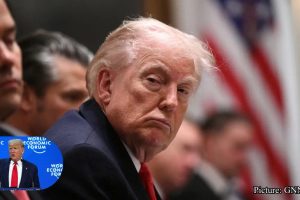
On Monday, the atmosphere at the White House shifted from triumph to grievance. Speaking to reporters, Trump expressed sharp dissatisfaction with longtime allies who have greeted his requests for “minesweepers and boats” with a cold, calculated silence. “The level of enthusiasm matters to me,” Trump remarked, noting that the United States has protected these nations from “horrible outside sources” for decades. The irony of the moment was not lost on observers: the President was asking for a “team effort” from a group of nations he had spent the better part of two years systematically alienating.
The President’s rhetorical “U-turn” is documented in a trail of dismissive social media posts and public statements that now complicate his diplomatic leverage. As recently as March 7, when Prime Minister Keir Starmer of the United Kingdom considered deploying an aircraft carrier to the Gulf, Trump was publically derisive. “We don’t need people that join Wars after we’ve already won!” he posted, suggesting that the conflict was effectively over. By Monday, however, he was criticizing Starmer for needing to “meet with his team” before committing vessels, suggesting a level of urgency that contradicts his previous claims of total victory.
This pattern of dismissive unilateralism followed by desperate solicitation has become a recurring theme. On March 3, after Spain denied the U.S. use of its airbases, Trump claimed the country had “absolutely nothing that we need.” By Friday, he was rebuffing Ukraine’s offer of drone defense assistance, telling Fox News, “we don’t need the help.” This public posture of invincibility has left the administration with little goodwill to draw upon now that the tactical reality of policing the world’s most dangerous waterway has set in.
The friction with NATO is particularly acute. In late January, Trump dismissed the alliance’s history, claiming, “We’ve never needed them. We have never really asked anything of them.” These comments were seen as a profound insult to the thousands of coalition soldiers from member states who fought and died alongside American forces in Afghanistan. Now, Trump is attempting to frame the Hormuz crisis as a NATO obligation, explicitly linking it to U.S. support for Ukraine. “We’re always there for NATO… it’d be interesting to see what country wouldn’t help us with a very small endeavor,” he stated aboard Air Force One.
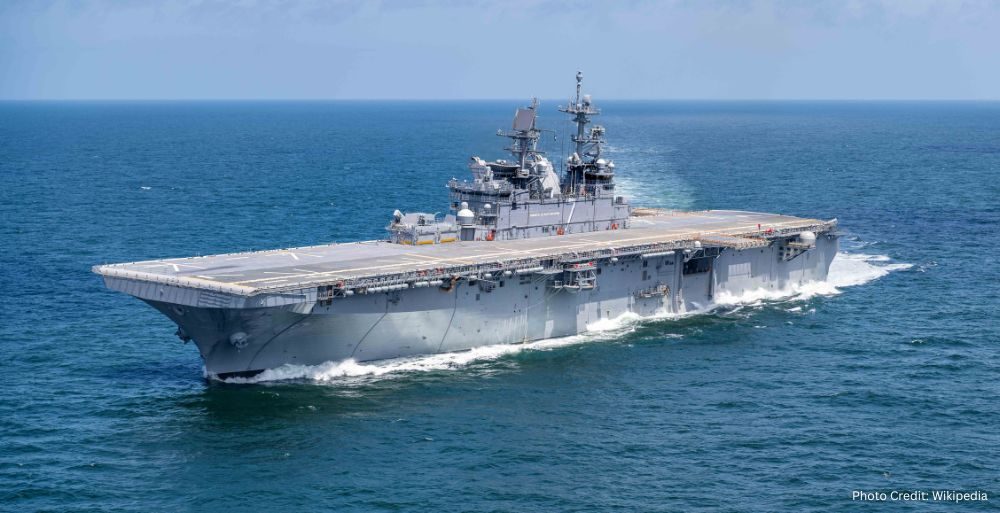
However, the “small endeavor” of keeping the Strait open is anything but. With Iran utilizing advanced drone swarms and mine-laying capabilities, the technical requirements for a successful maritime mission are immense. Allies who have been targeted by Trump’s aggressive tariffs and provocative rhetoric—including hints at military incursions into Greenland to coerce Denmark or the suggestion of making Canada the “51st state”—are showing little appetite for a mission they view as an American-initiated crisis.
The geopolitical consequence of this diplomatic erosion was underscored recently by Canadian Prime Minister Mark Carney, who suggested a “decoupling” from the United States might be the only path forward for allies tired of being bullied. This sentiment of strategic autonomy is gaining traction across Europe and Asia, where leaders are increasingly wary of being tethered to an unpredictable Washington.
While Trump claims to have received “some positive response” from his outreach, he has declined to name a single nation that has committed to the task. The global economy remains the only true lever the U.S. has left; because a bottleneck in the Strait of Hormuz threatens the energy security of China, Japan, and the EU, these nations may eventually feel compelled to act—not out of loyalty to the Trump administration, but out of raw economic survival.
Ultimately, the President’s about-face serves as a sobering reminder of the limits of unilateral power. After years of insisting that the U.S. can go it alone, the reality of a globalized energy crisis has forced a return to the very alliances the President once sought to dismantle. Whether those allies are still willing to stand in the breach remains the most pressing question of the current conflict.