








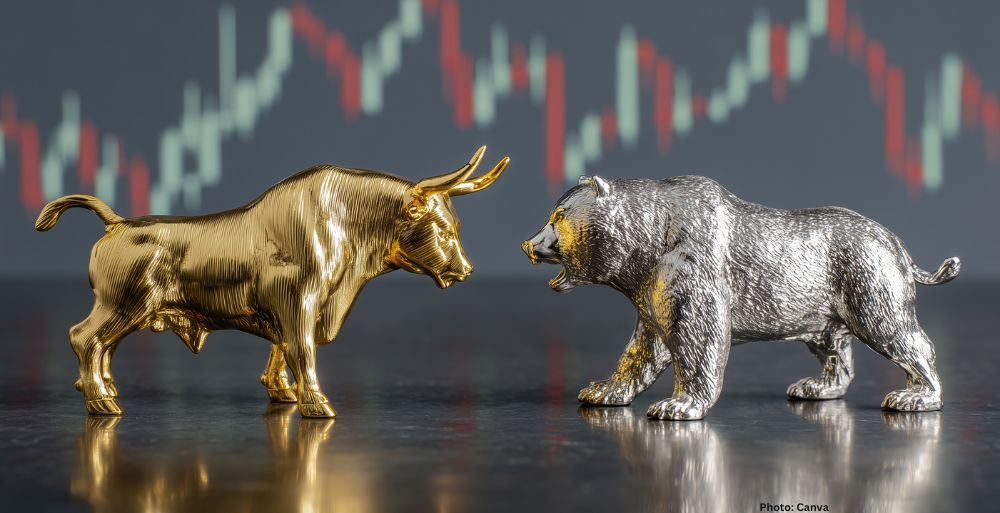
The specter of a stock market crash is a perennial concern for investors, economists, and policymakers alike. As we look towards 2026, the possibility of such an event looms large, fueled by a combination of expensive stock valuations and geopolitical tensions. At the heart of this potential economic upheaval are President Trump’s tariffs, which have been a contentious issue since their inception, and a cautionary note from the Federal Reserve that has not gone unnoticed by market analysts.
The S&P 500, a bellwether for the health of the U.S. stock market, has been riding high on a wave of optimism and growth for several years. However, this buoyancy has come with its own set of challenges. The index’s valuation has reached levels that some experts argue are unsustainable, particularly in the face of potential economic headwinds. The historical context provides a cautionary tale; past market bubbles, such as the dot-com bust in the early 2000s and the financial crisis of 2008, were preceded by similarly inflated valuations.
President Trump’s tariff policies, introduced with the aim of bolstering domestic industries and addressing trade imbalances, have had mixed results. While some sectors have benefited, others have suffered from increased costs and retaliatory measures from trading partners. The tariffs have created a ripple effect across global supply chains, impacting everything from manufacturing to agriculture. As these tariffs become entrenched, they risk becoming a significant drag on economic growth, potentially leading to reduced corporate profits and, consequently, a downturn in stock prices.
The Federal Reserve, the U.S. central bank tasked with managing monetary policy, has also sounded alarms regarding the current state of the economy. In its recent communications, the Fed has highlighted concerns over inflationary pressures and the potential need for interest rate adjustments. These warnings are not issued lightly; they reflect a deep understanding of the complex interplay between monetary policy, inflation, and economic growth. Historically, shifts in interest rates have had profound impacts on the stock market, often leading to increased volatility as investors recalibrate their expectations.
The combination of high valuations, tariff-induced economic pressures, and potential interest rate hikes creates a precarious situation for the stock market. Investors, both institutional and individual, are left to navigate these turbulent waters, balancing the allure of continued gains against the risk of a significant correction. The implications extend beyond Wall Street; a major downturn could have far-reaching consequences for the broader economy, affecting employment, consumer spending, and overall economic stability.
In this climate of uncertainty, it is crucial for investors to remain vigilant and informed. Diversification, a time-tested strategy, becomes even more important as a means of mitigating risk. Additionally, staying attuned to economic indicators and central bank communications can provide valuable insights into potential market movements.
As we approach 2026, the possibility of a stock market crash cannot be dismissed. However, with careful analysis and strategic planning, investors can position themselves to weather potential storms and capitalize on opportunities that may arise in the aftermath. The lessons of history remind us that while market cycles are inevitable, resilience and adaptability are key to long-term success.