







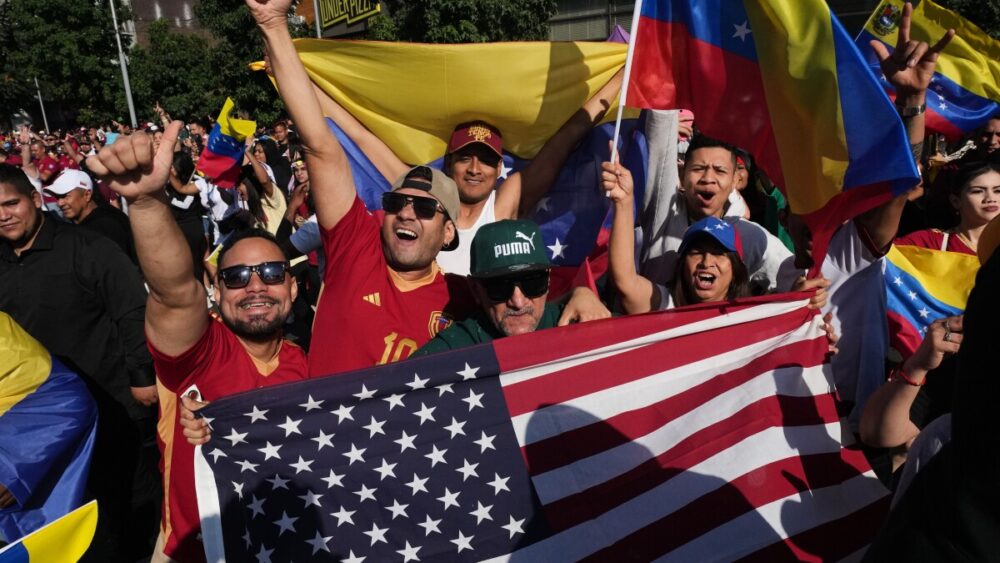
A sharp divide has emerged among Americans over the United States’ dramatic military strike on Venezuela, with a new Reuters/Ipsos poll revealing that while roughly one-third of the public supports the operation, a far larger majority is anxious about the country being drawn into a prolonged and costly foreign involvement.
The two-day national survey, which concluded on Monday, found that about 33 per cent of Americans approve of the US military action that led to the capture of Venezuelan President Nicolás Maduro. At the same time, 72 per cent of respondents said they are worried that the United States could become “too involved” in Venezuela, underscoring widespread unease about the long-term consequences of the intervention.
The poll highlights a nation torn between approval of decisive action against a long-criticised foreign leader and deep concern about the risks of military entanglement — a tension that has defined American foreign policy debates for decades.
Partisan Divide Over the Strike
Support for the operation is heavily concentrated among Republicans. According to the Reuters/Ipsos poll, 65 per cent of Republicans backed the strike ordered by President Donald Trump. By contrast, support was far lower among other groups, with just 11 per cent of Democrats and 23 per cent of independents approving of the action.
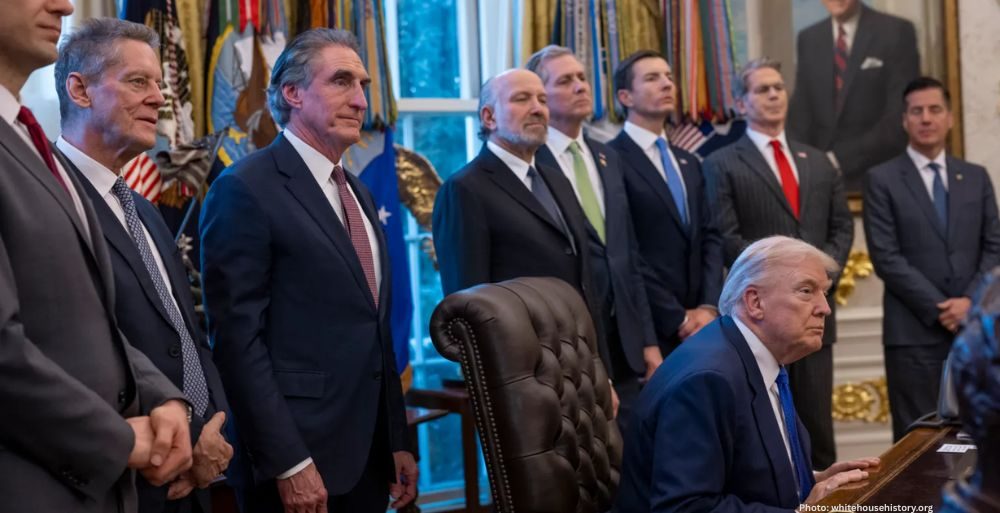
The operation itself unfolded in dramatic fashion. US forces carried out a pre-dawn raid in Caracas on Saturday, capturing Maduro in what officials described as a high-risk mission. The Venezuelan leader was subsequently transferred to US federal authorities to face prosecution on charges related to alleged drug trafficking.
Trump later declared that the United States would now “run” Venezuela, a statement that immediately sparked controversy both at home and abroad. The move marked a striking shift for a president who had long criticised previous administrations for becoming entangled in foreign conflicts.
“This was not just a military operation,” one foreign policy analyst observed. “It was a declaration of intent that raised fundamental questions about America’s role in the region.”
A Break From ‘America First’ Restraint?
The strike came after months in which the Trump administration had signalled a renewed focus on domestic economic priorities — an issue expected to loom large ahead of this year’s midterm elections, which will determine control of Congress for the final two years of Trump’s term.
That context makes the Venezuela intervention particularly notable. “There’s a clear tension between campaigning against foreign entanglements and then launching one of the most dramatic US interventions in the Western Hemisphere in years,” said a Washington-based political strategist.
Despite that tension, Republican voters appear more receptive to an assertive posture in the region. The poll showed that 43 per cent of Republicans agreed with the statement that “the United States should have a policy of dominating affairs in the Western Hemisphere,” compared with 19 per cent who disagreed. The remainder said they were unsure or did not respond.
Support for Troops and Control of Oil
The survey also found significant Republican backing for deeper involvement in Venezuela. About 60 per cent of Republicans said they support sending US troops to be stationed in the country, compared with 30 per cent of Americans overall. Similarly, 59 per cent of Republicans supported the US taking control of Venezuelan oil fields, aligning with Trump’s comments that Washington needs “total access” to the country’s vast energy reserves.
On Sunday, Trump reiterated his tough stance, saying the US could send ground troops and warning that further military action was possible. “If they don’t behave, we will do a second strike,” he said, suggesting that Washington might seek to control Venezuela through pressure and intimidation rather than direct governance.
Exactly how Trump intends to “run” Venezuela remains unclear. But the poll indicates that 65 per cent of Republicans support the US governing Venezuela, at least for an unspecified period.
Anxiety Persists Even Among Supporters
Despite strong backing for the strike among Republicans, the poll also revealed notable anxiety within the president’s own party. About 54 per cent of Republicans said they worry the US will become too deeply involved in Venezuela, reflecting concern about mission creep.
Financial costs are another source of unease. Fifty-four per cent of Republicans expressed concern about the economic burden of US involvement, compared with 45 per cent who said they were unconcerned. Even more strikingly, 64 per cent of Republicans said they worry that the intervention could put the lives of US military personnel at risk.
“These numbers show a kind of internal contradiction,” said a former Pentagon official. “There’s support for strength and dominance, but also a clear fear of repeating the mistakes of the past.”
Trump’s Approval Inches Up
The poll, which surveyed 1,248 US adults nationwide and was conducted online with a margin of error of about three percentage points, also offered a snapshot of Trump’s standing at home. His approval rating registered at 42 per cent, the highest since October and up from 39 per cent in December.
Whether the Venezuela operation will ultimately boost or damage Trump politically remains an open question. While decisive military action can rally parts of the electorate, prolonged conflict and rising costs have historically eroded public support.
For now, the Reuters/Ipsos findings suggest a cautious America: willing, in significant numbers, to endorse a bold strike — but deeply wary of what comes next.