





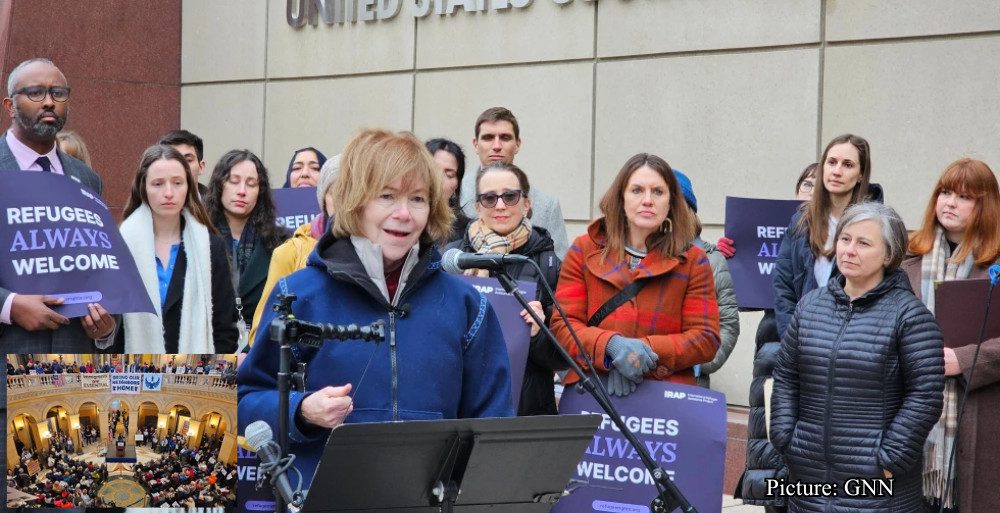
The Trump administration’s recent directive threatens to upend the lives of thousands of refugees who, while legally residing in the United States, have not yet secured permanent residency. This order could lead to widespread arrests, raising significant legal and humanitarian concerns.
The Trump administration’s immigration policies have consistently sparked intense debate, and the latest directive is no exception. This sweeping order, which targets legal refugees lacking permanent residency, underscores the administration’s stringent stance on immigration. It also highlights the precarious nature of refugee status in the United States, where legal presence does not equate to permanence or security.
Historically, the United States has been a beacon for refugees seeking safety from war, persecution, and instability. The Refugee Act of 1980 established the legal framework for the admission and resettlement of refugees, aiming to provide a safe haven for those fleeing danger. However, the current political climate has seen a shift towards more restrictive policies, with the Trump administration prioritizing national security and immigration control over humanitarian commitments.
The new order could potentially affect tens of thousands of refugees who have been granted asylum or refugee status but have not yet achieved the milestone of permanent residency. These individuals have already undergone rigorous vetting processes, including security screenings and interviews, to establish their eligibility for protection under U.S. law. Despite their legal status, the lack of a green card leaves them vulnerable to arrest and deportation under the new directive.
Critics argue that this move undermines the United States’ longstanding tradition of offering refuge to those in need. They point to the moral and ethical implications of detaining individuals who have already demonstrated a need for protection and have integrated into American society. Many of these refugees have established roots, found employment, and contributed to their communities, making their potential arrest and deportation not only a personal tragedy but also a loss for the communities they have enriched.
On the other hand, supporters of the order contend that it is a necessary step to ensure national security and uphold immigration laws. They argue that the system must be tightened to prevent potential threats and abuses, even if it means reevaluating the status of those already within the country. This perspective aligns with the administration’s broader immigration policy, which emphasizes border security and the enforcement of immigration laws as paramount.
The implications of this order extend beyond the immediate threat of arrest for affected refugees. It also raises questions about the future of U.S. refugee policy and the country’s role on the global stage. As other nations grapple with their own immigration challenges, the United States’ approach could influence international norms and practices. The potential for a domino effect, where other countries adopt similarly restrictive measures, poses a risk to global refugee protection efforts.
Moreover, the order could have legal ramifications, as advocacy groups and legal experts prepare to challenge its validity in court. They argue that the directive may violate both domestic and international law, which obligates countries to protect refugees and uphold their rights. Legal battles could ensue, potentially reaching the Supreme Court, where the interpretation of refugee protections and executive power will be scrutinized.
This unfolding situation also highlights the broader trend of increasing skepticism towards refugees and migrants worldwide. Rising nationalism and fears of economic and cultural displacement have fueled anti-immigrant sentiments, leading to policies that prioritize exclusion over inclusion. The Trump administration’s order is a manifestation of this trend, reflecting a shift in priorities from humanitarianism to security and control.
As the debate continues, the human impact of such policies cannot be overlooked. For the refugees caught in this legal limbo, the uncertainty is palpable. They face the daunting prospect of arrest and deportation, despite having followed the legal pathways available to them. Their stories are a testament to resilience and hope, yet they now find themselves at the mercy of shifting political tides.
In conclusion, the Trump administration’s order represents a significant moment in U.S. immigration policy, with far-reaching consequences for refugees, the legal system, and the nation’s global standing. As the situation unfolds, it will be crucial to balance security concerns with the United States’ historical commitment to providing refuge to those in need, ensuring that the country’s policies reflect both its values and responsibilities.