





On March 28, 2026, thousands participated in ‘No Kings’ protests across the United States and internationally, uniting against perceived authoritarianism linked to former President Donald Trump and his supporters.
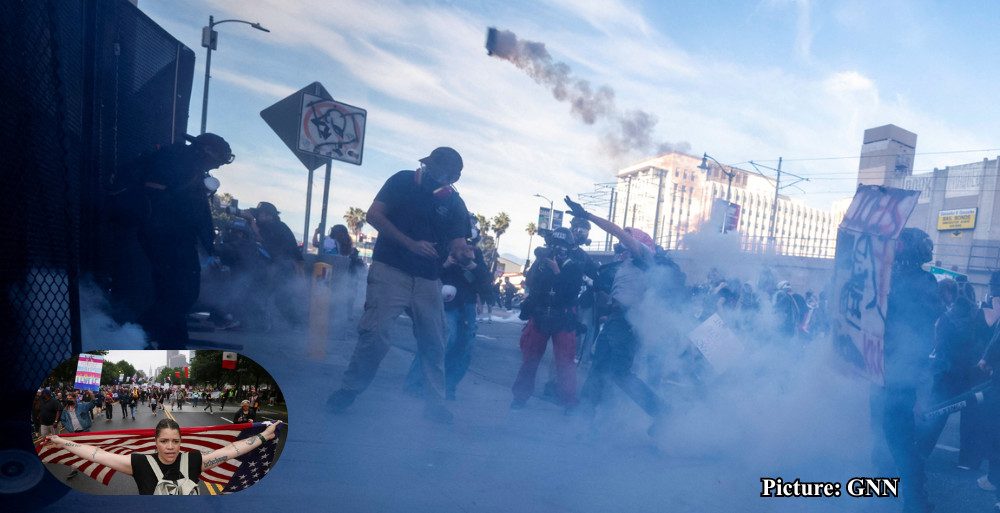
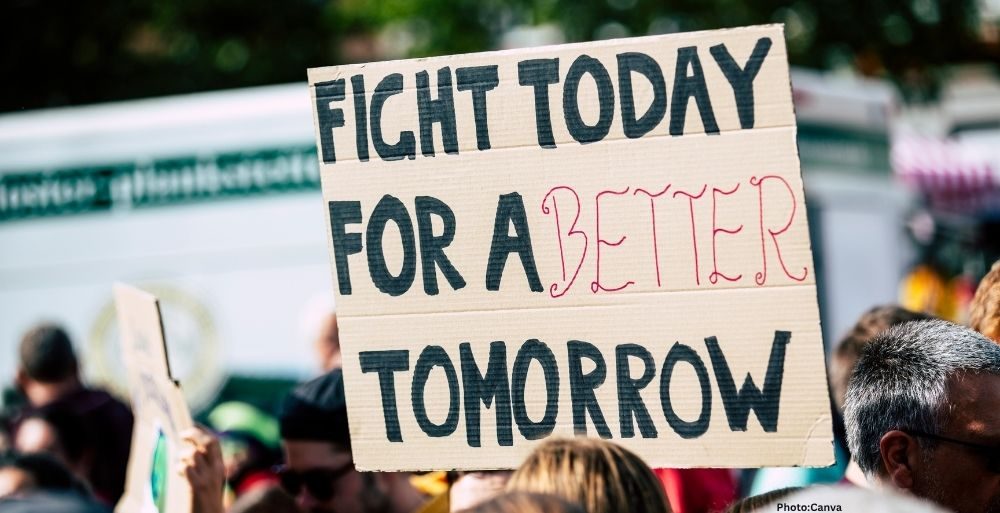
On March 28, 2026, large-scale demonstrations termed ‘No Kings’ took place in cities across the United States and various international locations, drawing tens of thousands of participants who united to express their opposition to what they perceive as rising authoritarianism, particularly in connection with former President Donald Trump’s administration. These rallies not only highlighted concerns about civil liberties but also showcased a growing movement across diverse demographics.
Participation and Demographics
According to police estimates, approximately 40,000 individuals participated in the San Diego rally alone. The protests were especially notable for their reach beyond major urban areas, with organizers reporting that two-thirds of RSVPs came from outside metropolitan centers. This included communities in traditionally conservative states such as Idaho, Wyoming, Montana, Utah, South Dakota, and Louisiana, as well as electorally competitive suburbs in pivotal states like Pennsylvania, Georgia, and Arizona. This demographic diversity reflects a widespread national concern regarding civil rights and the political landscape.
Main Event at the Minnesota Capitol
The flagship rally took place at the Minnesota State Capitol, where renowned musician Bruce Springsteen headlined the event. Before his performance, attendees were treated to a video message from actor Robert De Niro, who expressed his frustrations with Trump’s leadership but found hope in the protests. De Niro praised the people of Minnesota for their efforts in removing Immigration and Customs Enforcement (ICE) from their community, underscoring the local activism that has gained national attention.
The Minnesota event also featured other prominent figures, including singer Joan Baez, actress Jane Fonda, and Vermont U.S. Senator Bernie Sanders. They were joined by a coalition of activists, labor leaders, and elected officials who spoke against Trump’s policies. One striking moment of the rally was the display of a massive sign on the Capitol steps reading, ‘We had whistles, they had guns. The revolution starts in Minneapolis.’ Randi Weingarten, president of the American Federation of Teachers, emphasized the significance of the protests, stating that ‘Donald Trump may pretend that he’s not listening, but he can’t ignore the millions in the streets today.’
International Solidarity and Global Protests
The ‘No Kings’ protests extended beyond the United States, with demonstrations organized in over a dozen countries across Europe, Latin America, and Australia. Ezra Levin, co-executive director of Indivisible, noted that in nations with constitutional monarchies, the protests were branded as ‘No Tyrants.’ This framing reflects a shared global sentiment against authoritarian governance.
In Rome, thousands marched in a demonstration that primarily targeted Italian Premier Giorgia Meloni following the recent failure of her government’s referendum aimed at streamlining the judiciary. Additionally, many protesters expressed their opposition to U.S. and Israeli military actions against Iran, showing the interconnectedness of international grievances. In London, demonstrators carried banners with messages such as ‘Stop the far right’ and ‘Stand up to Racism,’ indicating a broader critique of rising populism in Europe.
In Paris, several hundred participants, most of whom were Americans living in France, gathered at the Bastille alongside labor unions and human rights organizations. Organizer Ada Shen articulated her opposition to U.S. foreign policy, stating, ‘I protest all of Trump’s illegal, immoral, reckless, and feckless, endless wars.’
Responses to Authoritarianism
During a news conference, Donna Lieberman, executive director of the New York Civil Liberties Union, characterized the protests as a vital response to perceived threats posed by Trump and his supporters. She expressed concern that the former president’s administration aims to instill fear among the populace, saying, ‘They want us to be afraid that there’s nothing we can do to stop them. But you know what? They are wrong — dead wrong.’
The ‘No Kings’ rallies exemplify a significant movement among citizens seeking to reclaim democratic ideals and challenge narratives of authoritarianism. The protests underscore a widespread discontent with current political leadership, galvanizing communities across the political spectrum to unite for a common cause. As the movement evolves, it reflects a growing determination among citizens to hold their leaders accountable and advocate for civil liberties.
Historical Context and Implications
The ‘No Kings’ protests are part of a larger historical context of civil disobedience and grassroots activism in the United States and around the world. They evoke memories of previous movements that have sought to challenge authoritarian regimes and demand democratic reforms. The significance of these demonstrations lies not only in their immediate political implications but also in their potential to inspire future activism and reshape public discourse around governance and accountability.
As these protests continue to unfold, they highlight the importance of civic engagement in a democratic society and the role of public demonstrations in influencing political discourse. The ‘No Kings’ rallies represent a collective effort to affirm the principles of democracy and justice in the face of perceived threats, suggesting that while the political landscape may be contentious, the spirit of activism remains resilient and vibrant.