





The latest economic data reveals that inflation remains persistently elevated, raising concerns among economists and policymakers. This trend complicates the Federal Reserve’s efforts to stabilize the economy while managing interest rates.
In a troubling sign for economic stability, recent data released by the Bureau of Labor Statistics indicates that inflation remains stubbornly high, with consumer prices rising more than expected in the last month. The Consumer Price Index (CPI) increased by 0.6 percent in September, pushing the annual inflation rate to 3.7 percent, a figure that exceeds many economists’ projections.
The persistent inflationary pressures are a source of concern for the Federal Reserve, which has been attempting to navigate a complex economic landscape. Federal Reserve Chair Jerome Powell described the current situation as “challenging,” emphasizing that the central bank must balance the need to control inflation with the potential risks of further interest rate hikes that could stifle economic growth.
“Our goal is to restore price stability while sustaining a strong labor market,” Powell remarked during a recent press conference. “We are committed to our dual mandate, but the path forward is not without its difficulties.”
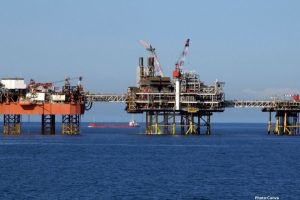
The challenge for the Fed is compounded by a mix of factors driving inflation, from supply chain disruptions to rising energy prices. The recent surge in oil prices, which have climbed more than 25 percent since June, is particularly concerning. Analysts warn that continued increases in energy costs could ripple through the economy, affecting everything from transportation to food prices.
“Energy prices are a significant driver of the overall inflation picture,” said Mark Zandi, chief economist at Moody’s Analytics. “If oil prices remain elevated, we could see inflation persist longer than anticipated.”
In addition to energy costs, other sectors are experiencing price increases. Housing costs, which account for a substantial portion of the CPI, continue to rise as demand outpaces supply. The rental market, in particular, remains tight, with many urban areas reporting double-digit increases in rental prices over the past year.
The implications of sustained inflation are far-reaching. For consumers, rising prices erode purchasing power, leading to a decline in real wages. This situation can create a feedback loop where consumers cut back on spending, which in turn can slow economic growth.
“Consumers are feeling the pinch,” said Laura Sykes, an economic analyst at the Brookings Institution. “When people are spending more on necessities, they have less to spend on discretionary items, which can hurt businesses across various sectors.”
As the Fed weighs its options, some experts are advocating for a more cautious approach. “Aggressive interest rate hikes can have unintended consequences,” said David Rosenberg, chief economist at Rosenberg Research. “The last thing we need is to push the economy into a recession when we’re still recovering from the pandemic.”
The political landscape adds another layer of complexity to the inflation debate. With midterm elections approaching, inflation has emerged as a key issue for both parties. Democrats are under pressure to demonstrate that they are effectively managing the economy, while Republicans are seizing upon inflation as a critique of the current administration’s economic policies.
“Inflation is a top concern for voters,” noted political analyst Sarah Johnson. “How the administration responds to this challenge could have significant implications for the upcoming elections.”
In the face of these challenges, the Biden administration is emphasizing its efforts to address inflation through various strategies, including increasing domestic energy production and enhancing supply chain resilience. “We are taking steps to ensure that American families are not burdened by rising prices,” said Treasury Secretary Janet Yellen. “We understand the urgency of the situation.”
However, skeptics argue that these measures may take time to materialize and that immediate action is required to restore confidence in the economy. “The administration needs to act swiftly and decisively,” argued Republican Senator Mitt Romney. “Families cannot wait for long-term solutions while they are struggling to make ends meet.”
With inflation remaining a pressing issue, the Fed’s next moves will be closely scrutinized by economists, politicians, and consumers alike. The delicate balance of fostering economic growth while controlling inflation is a tightrope that the central bank must navigate with caution.
As policymakers grapple with these challenges, the coming months will be critical in determining the trajectory of the economy and the effectiveness of measures aimed at curbing inflation. The stakes are high, and the implications of these decisions will reverberate through the economy for years to come.