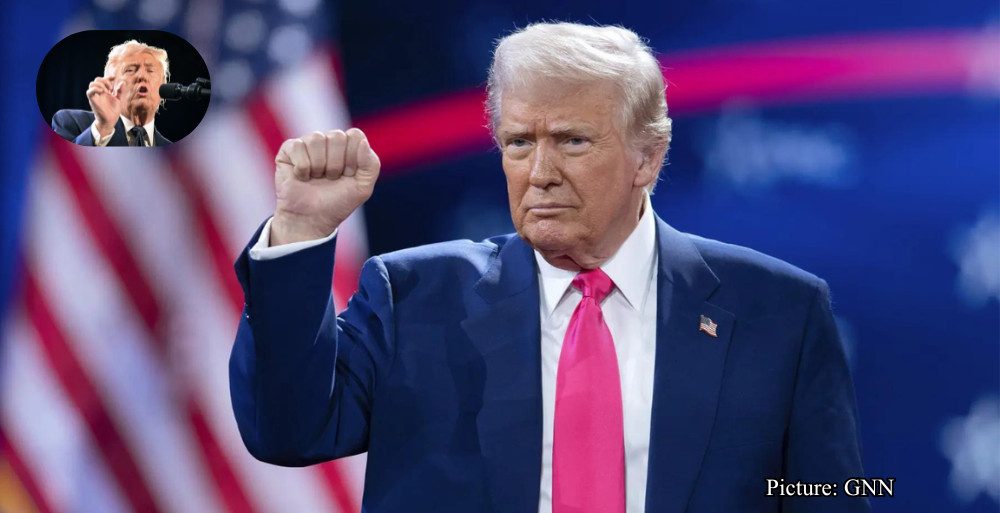







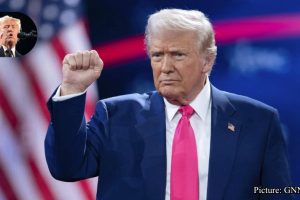

As the conflict in Iran intensifies, allies of former President Donald Trump express growing concern over the U.S. strategy, citing an uncertain path forward and potential military escalation.
In a significant shift in perspective, allies of former President Donald Trump are expressing alarm over the ongoing conflict in Iran, suggesting that the administration’s initial confidence in a swift resolution has waned. Reports indicate that the dynamics of the war have evolved, complicating U.S. efforts to control key regions, particularly the Strait of Hormuz, a critical passageway for global oil transportation.
The Strait of Hormuz, located between Iran and the United Arab Emirates, is a vital conduit through which approximately 20% of the world’s crude oil supply flows. In recent developments, Iran has reportedly begun laying mines in the strait, raising serious concerns about the implications for global oil markets and U.S. interests. According to the U.S. Energy Information Administration, around 500,000 barrels of crude oil per day were imported through this strait in 2024, representing about 7% of total U.S. crude imports.
Strategic Uncertainty
One anonymous source close to the White House remarked, “We clearly just kicked [Iran’s] ass in the field, but, to a large extent, they hold the cards now. They decide how long we’re involved—and they decide if we put boots on the ground. And it doesn’t seem to me that there’s a way around that, if we want to save face.” This sentiment underscores the growing apprehension among Trump’s inner circle regarding the potential for a prolonged military engagement, which the former president has long criticized.
The escalation of the war has led to significant casualties on both sides, with reports indicating that 13 U.S. soldiers and over 20 Iranian officials, including Supreme Leader Ayatollah Ali Khamenei, have lost their lives. The Iranian government claims that over 1,300 civilians have also been killed, with substantial damage inflicted on civilian infrastructure, including homes, hospitals, and schools.
Market Reactions
The instability in the region has had a profound impact on the U.S. economy. Following the U.S. and Israeli strikes against Iran on February 28, oil prices surged from below $70 per barrel to approximately $100 per barrel. Additionally, gasoline prices have increased by around 25% since the onset of hostilities. This spike has raised concerns among policymakers about the broader economic repercussions of continued conflict.
Amid these developments, the administration has faced criticism from a range of political factions. The founder of the far-right militia group Oath Keepers, Stewart Rhodes, recently distanced himself from the MAGA movement, citing disillusionment with Trump’s military actions in Iran. During a recent appearance, Rhodes stated, “I have to open my eyes to the reality in front of my face, and it’s caused a division inside of MAGA.” This illustrates a growing rift among Trump’s supporters regarding his foreign policy decisions.
Diplomatic Efforts Stall
As calls for peace negotiations have been met with silence from Iranian officials, the Trump administration’s diplomatic efforts appear to be faltering. Envoy Steve Witkoff’s attempts to initiate discussions have reportedly gone unanswered, signaling a potential closure of diplomatic channels. A senior Iranian official indicated that only the country’s Supreme Leader has the authority to declare a ceasefire, complicating any negotiations that the U.S. might seek to revive.
These developments highlight a broader pattern of uncertainty and tension in U.S.-Iran relations. The Trump administration’s approach, characterized by aggressive military action and limited diplomatic outreach, has drawn scrutiny from both domestic and international observers.
Political Repercussions
As the conflict continues to unfold, it poses significant challenges for Trump’s political future. The escalating situation in Iran has exacerbated existing concerns about rising living costs and has drawn criticism from various quarters within the Republican Party. Some party members worry that the current trajectory may alienate voters ahead of the upcoming 2024 elections.
In light of these challenges, the former president’s allies are grappling with the implications of a prolonged military engagement in Iran. The potential for a new conflict could undermine the very promises made by Trump during his previous campaign—a significant point of contention among his supporters.
In summary, the evolving situation in Iran reflects a complex interplay of military action, economic impact, and political ramifications that could shape the landscape leading into the next election cycle. The administration’s handling of the crisis will likely remain under scrutiny as both allies and critics assess the effectiveness of U.S. strategies in the region.