









A long-standing feature of American citizenship—holding more than one passport—has come under fresh political scrutiny in Washington. A newly introduced proposal, the Exclusive Citizenship Act of 2025, seeks to fundamentally redefine what it means to be a U.S. citizen by ending the recognition of dual citizenship altogether.
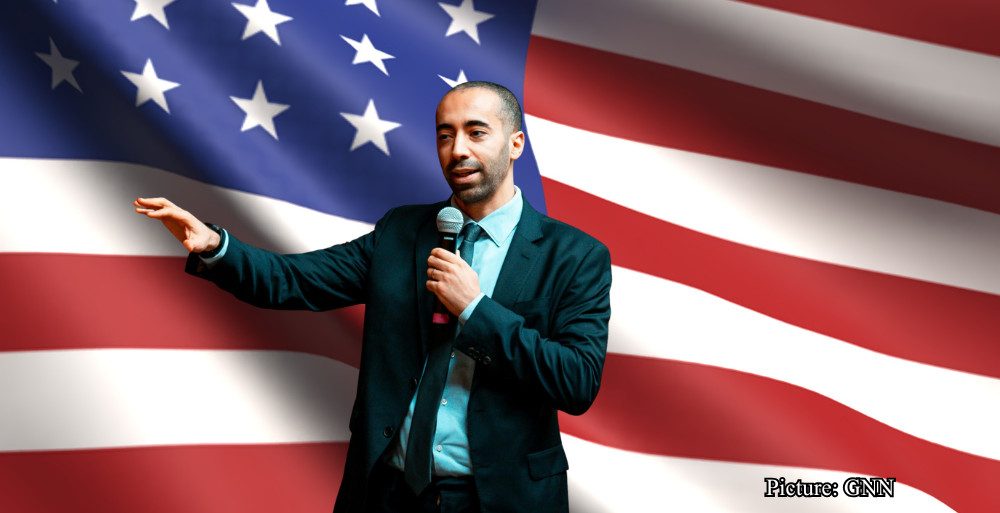
Introduced on December 1, 2025, by Senator Bernie Moreno (R-Ohio), the bill argues that U.S. citizens should owe “sole and exclusive allegiance” to the United States. If enacted, the legislation would force millions of Americans with foreign citizenship ties to make a life-altering choice: keep their U.S. passport or relinquish it in favor of another nationality.
What the Bill Proposes
At the core of the Exclusive Citizenship Act is a requirement that any U.S. citizen who also holds a foreign nationality must formally renounce one citizenship within one year of the law coming into effect. The proposal goes even further, stating that any American who acquires another country’s citizenship in the future would automatically be considered to have relinquished their U.S. citizenship.
The bill marks a sharp departure from decades of U.S. policy. At present, American law allows individuals to hold multiple citizenships, provided they meet the legal requirements of each country involved. The U.S. government has historically acknowledged that globalization, migration, and family ties often result in people holding more than one nationality.
Political Rationale Behind the Proposal
Senator Moreno, himself an immigrant born in Bogotá, Colombia, has framed the bill as a matter of loyalty and national interest. In public remarks, he described American citizenship as an indivisible commitment.
“One of the greatest honors of my life was when I became an American citizen,” Moreno said. “It was an honor to pledge an Oath of Allegiance to the United States—and only to the United States. Being an American citizen is an honor and a privilege, and if you want to be an American, it’s all or nothing.”
Supporters of the proposal argue that dual citizenship can create conflicts of interest, particularly in matters related to national security, public office, and foreign policy. They contend that exclusive allegiance is necessary in an increasingly competitive and geopolitically tense world.
How Likely Is the Bill to Pass?
Despite its far-reaching implications, the bill faces an uphill battle in Congress. It has been referred to the Senate Judiciary Committee, an early step in the legislative process. Independent legislative trackers estimate that the proposal has single-digit odds of advancing, reflecting both legal complexity and bipartisan resistance to altering citizenship norms.
Legal scholars note that previous attempts to restrict or eliminate dual citizenship have struggled to gain traction, largely because the U.S. Supreme Court has repeatedly emphasized that citizenship is a fundamental right protected by the Constitution.
Impact on Travelers and Global Americans
If passed, the law would dramatically affect frequent travelers, expatriates, and Americans with ancestral ties abroad. Dual citizens currently enjoy flexibility when living, working, or retiring in another country, and many rely on their second passport for access to healthcare, education, property ownership, or visa-free travel.
Countries such as Italy, Portugal, Ireland, and several Caribbean nations offer citizenship by descent or investment, making second passports relatively accessible. Under the proposed law, Americans who obtained such citizenship—often for practical or family reasons—would be forced to abandon one nationality.
For travelers, the change could also eliminate strategic advantages. A second passport can reduce visa barriers, ease border crossings, and provide emergency options during political instability or travel disruptions.
Current Rules Still Apply—for Now
Under existing regulations, Americans who hold more than one passport must enter and leave the United States using their U.S. passport. While other countries may impose restrictions on dual nationality, the U.S. itself does not currently penalize citizens for holding additional citizenships.
Experts caution that even if the bill fails, its introduction reflects a broader political shift toward tighter definitions of national identity and allegiance—one that could influence future immigration and citizenship debates.
What Comes Next
While the Exclusive Citizenship Act of 2025 remains far from becoming law, it has already sparked intense debate among legal experts, immigrant communities, and international travelers. For now, dual citizens can continue to hold multiple passports legally—but the conversation around citizenship, loyalty, and globalization is clearly entering a new and uncertain phase.