








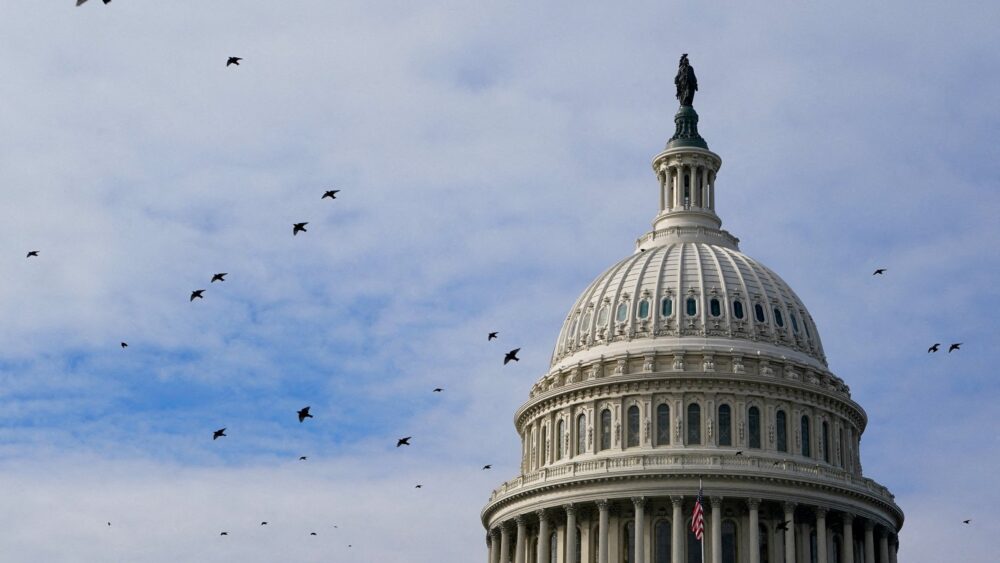
In a rare show of bipartisan defiance, the U.S. House of Representatives on Thursday approved a bill to extend enhanced Affordable Care Act (ACA) subsidies for three years, with 17 Republican lawmakers joining Democrats to push the legislation across the finish line. The measure passed by a 230–196 vote, underscoring growing concern across party lines over rising health insurance costs for millions of Americans.
The vote marked a significant rebuke to Republican leadership, which had opposed bringing the bill to the floor. Democrats, anticipating cracks within GOP ranks, had publicly predicted that a group of Republicans would break away — a forecast that proved accurate.
“This vote is an opportunity to take a meaningful step forward to lower the high cost of living for everyday Americans, particularly when it comes to health care,” said House Minority Leader Hakeem Jeffries, calling the coalition behind the bill “a bipartisan effort on behalf of the American people.”
What the Bill Does
The legislation extends enhanced premium tax credits under the Affordable Care Act for three years. These subsidies, first expanded during the COVID-19 pandemic, increased financial assistance for people already eligible under Obamacare and broadened eligibility to millions more. However, the enhanced subsidies expired at the end of 2025, leading to sharp premium hikes for many households in 2026.
According to estimates, about 22 million of the 24 million ACA marketplace enrollees currently benefit from these enhanced credits. Without congressional action, many Americans have already begun seeing significantly higher monthly insurance premiums.
Senate Roadblock Remains
Despite House passage, the bill faces an uncertain future in the Senate. Senate Majority Leader John Thune made clear that the upper chamber is not inclined to pass a straight three-year extension.
“There’s no appetite for that,” Thune said, pointing instead to ongoing bipartisan negotiations aimed at pairing any extension with reforms. “We’ll see what happens from the working group, and if they can come up with something that has reforms.”
The Senate last month rejected a similar three-year extension after it failed to reach the 60-vote threshold, even though four Republican senators crossed party lines to support it.
Bipartisan Negotiations and Reform Proposals
Behind the scenes, lawmakers from both chambers met Thursday for roughly an hour to discuss possible changes that could unlock Senate approval. Key issues on the table included income caps for eligibility, Flexible Savings Accounts, and measures to combat widespread fraud within ACA marketplaces.
“We’re trying to see if we can get to some agreement that’s going to help people — and the sooner, the better,” said Sen. Jeanne Shaheen, noting broad agreement on tackling fraudulent practices such as phantom accounts.
While details of a compromise remain under wraps, lawmakers indicated that draft legislative text could emerge in the coming days.
Abortion Debate Complicates Talks
One of the most contentious sticking points remains abortion funding. Many conservatives are pressing to explicitly include Hyde Amendment protections, which prohibit federal funds from being used for abortion services. Democrats have pushed back, arguing that the ACA already complies with Hyde restrictions.
Some moderates acknowledged the complexity of the issue. “The ACA already includes Hyde protections,” said Rep. Dan Meuser, suggesting that the debate now centers on whether those existing safeguards are sufficient for conservative lawmakers.
Why Republicans Crossed the Aisle
Several GOP lawmakers who supported the bill represent swing districts where rising health insurance premiums could carry serious political consequences. A core group of Republicans — including Brian Fitzpatrick, Mike Lawler, Robert Bresnahan, and Ryan Mackenzie — previously signed a Democratic discharge petition to force the vote after Speaker Mike Johnson resisted bringing the issue to the floor.
“There’s a sense of urgency, to say the least,” Meuser said, emphasizing that lawmakers are under pressure as constituents face immediate premium increases.
Costs and Coverage Impact
The Congressional Budget Office (CBO) estimates the bill would increase the federal deficit by approximately $80.6 billion over the next decade. However, it would also expand health insurance coverage significantly.
If enacted, the CBO projects:
- 100,000 more insured in 2026
- 3 million more in 2027
- 4 million more in 2028
- 1.1 million more in 2029
The largest coverage gains would come through ACA marketplaces, while some reductions would occur in employer-sponsored and off-marketplace plans.
Trump Opposes Extension
President Donald Trump has publicly opposed extending the enhanced subsidies, arguing that Democrats should instead agree to broader health care reforms.
“I’d like not to be able to do it,” Trump said last month. “I don’t know why we have to extend — this can be done rapidly if the Democrats would come along.”
Nevertheless, the House vote suggests growing bipartisan unease about allowing the subsidies to lapse permanently.
What Comes Next
While House passage represents a major milestone, the fate of the ACA subsidy extension now hinges on whether bipartisan negotiations can yield a Senate-friendly compromise. Lawmakers on both sides insist talks are close to a breakthrough, though key ideological differences remain.
As Rep. Tom Suozzi put it, “It’s a hopeful feeling when you see Democrats and Republicans in the same room, trying to move beyond the toxicity and find common ground.”
For millions of Americans facing steep health insurance costs, the outcome of those talks could determine whether relief arrives — or premiums continue to climb.