





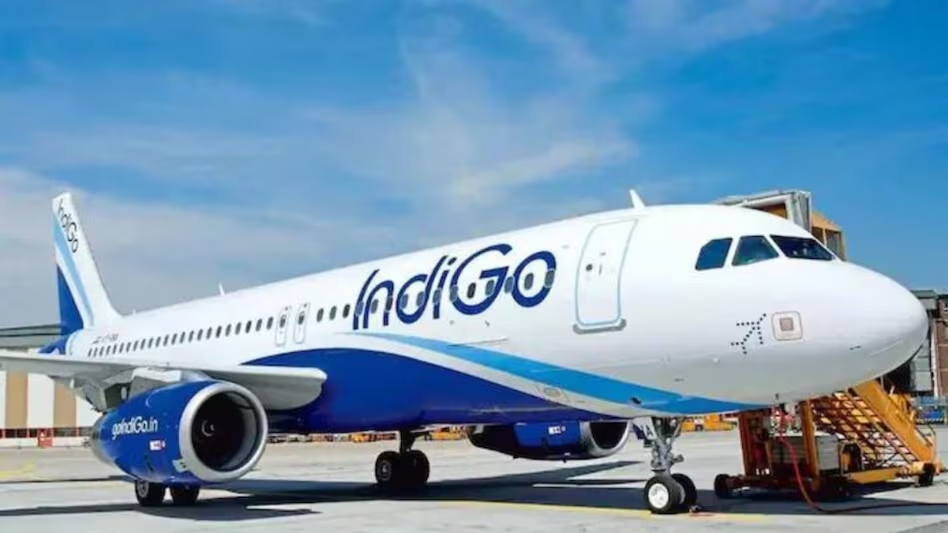
India’s largest airline, IndiGo, is attempting to manage the recent operational crisis — triggered by a severe shortage of pilots and crew — by offering its pilots and first officers a “leave buyback” option. Under this proposal, captains and first officers would be paid about 1.5 times their per-day gross salary if they surrender their planned leaves. The offer applies specifically to pilots operating Airbus aircraft, for leave periods scheduled between January 1 and February 3, 2026. There is no cap on the number of leave days they may offer, but the airline says longer continuous blocks of leave will be prioritized.
The move comes amid mounting flight cancellations across major airports such as Delhi, Mumbai, Bengaluru and others, linked to structural crew shortfalls stemming from recently enforced rostering and fatigue-management norms. Operative constraints under the new roster laws — which limit duty hours and enforce stricter rest requirements — reportedly strained IndiGo’s scheduling capacity, leading to the crew shortage.
IndiGo’s management claims the leave buyback is intended to patch the short-term staffing gap while the airline works on stabilising its roster and adhering to the new rules. According to internal communication to staff, the acceptance of bought-back leave days will depend on operational requirements, qualifications, and other regulatory clearances.
However, pilot associations and industry watchers have strongly criticized the step. According to the Federation of Indian Pilots (FIP), the crisis is not merely about roster norms — but results from a prolonged period of under-staffing, hiring freeze, and what they call a “lean manpower strategy.” The FIP argues that rather than preemptive recruitment and workforce expansion, IndiGo opted to economize on manpower, even as the new flight-duty rules were known well in advance. By attempting to buy back leave now, they say, the airline is trying to plug a hole it created for itself.
The union also contends that such short-term fixes damage morale among pilots, especially when they coincide with large executive pay raises and frozen pilot pay. It warns that forcing pilots to trade their rest for extra pay under duress undermines not just crew welfare but long-term safety and reliability.
Meanwhile, regulators — particularly the Directorate General of Civil Aviation (DGCA) — have stepped in. The DGCA has demanded a full explanation from IndiGo for the extensive flight cancellations attributed to crew shortage and asked the airline to submit a mitigation plan. There is speculation that failure to stabilise crew rosters may also affect approval for future flight-slot allocations.
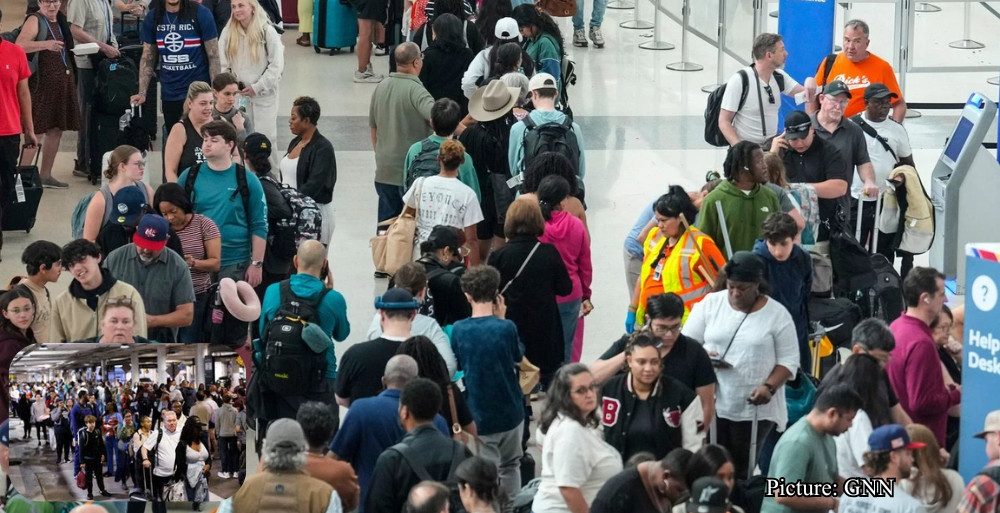
For passengers, the impact has been severe: hundreds of flights were cancelled or delayed over recent days, creating widespread disruption over the busy winter travel season. As a stop-gap, IndiGo has asked some pilots to give up leaves in return for extra pay — but whether this measure will be enough to restore the airline’s reliability remains to be seen.
In sum: while the leave-buyback offer may provide immediate relief for IndiGo’s crew crunch, many industry insiders view it as a symptomatic patch — not a long-term solution. The incident underscores deeper staffing, planning, and governance issues at airlines that depend heavily on lean-manpower strategies.