








The 2026 Henley & Partners Passport Index reveals a growing chasm in global mobility, with Singapore retaining its status as the world’s most powerful travel document. While elite Asian and European nations command nearly universal access, developing economies like India and conflict-strained states continue to face significant diplomatic barriers to entry.
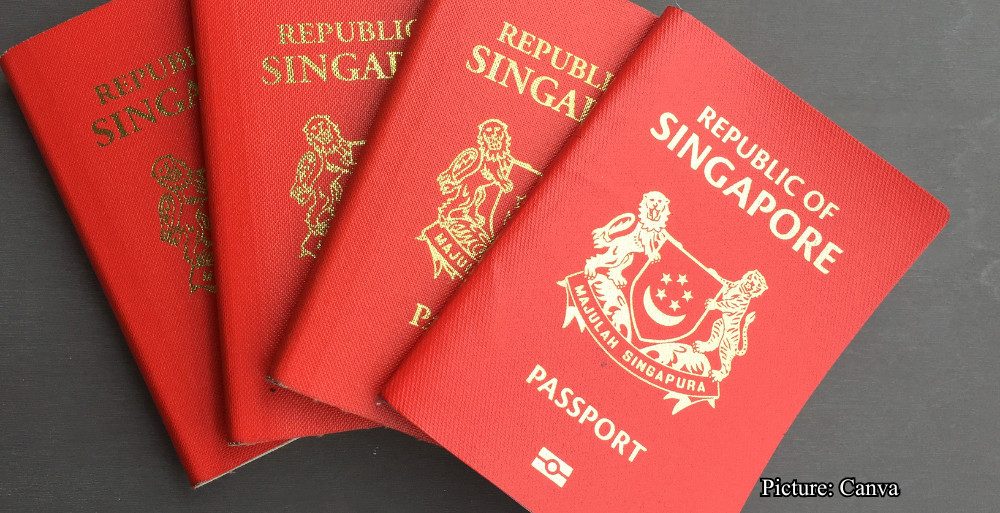
The concept of the global citizen has never been more bifurcated. As the Henley & Partners Passport Index 2026 updates its definitive ranking of global mobility, the results underscore a world where the “birthright lottery” remains the primary determinant of economic and personal freedom. At the pinnacle of this hierarchy sits Singapore, a city-state that has successfully parlayed its neutral diplomacy and economic prowess into a travel document of unparalleled utility.
Singaporean citizens now enjoy visa-free or simplified access to 192 destinations worldwide. This top-tier ranking is not merely a matter of convenience for tourists; it is a critical instrument of soft power and economic agility. For the global elite, a passport is a tool for rapid market entry and international networking. Singapore’s dominance reflects a decade of strategic bilateral agreements and a reputation for stability that reassures foreign immigration authorities.
Following closely behind the frontrunner, the “Asian Trio” remains a formidable force in the rankings. Japan and South Korea share the second-place position, providing their citizens with access to 187 destinations. This regional dominance by East Asian powerhouses suggests a shift in the traditional geopolitical center of gravity, where the once-unchallenged hegemony of Western European and North American travel documents is being consistently met by the diplomatic successes of the Pacific Rim.
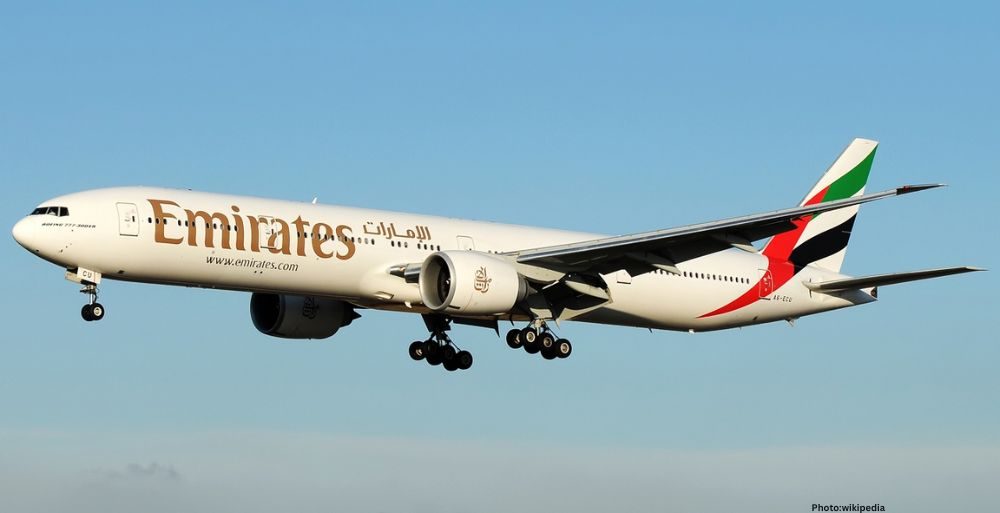
However, Europe remains the most densely packed continent at the top of the index. Sweden and the United Arab Emirates (UAE) occupy the third rank with 186 destinations. The rise of the UAE is particularly noteworthy, representing one of the most aggressive climbs in the history of the index. Over the last decade, the Emirates have prioritized “passport diplomacy,” systematically knocking down visa barriers to reposition the nation as a global hub for finance and luxury tourism.
The fourth rank is a crowded field of European stalwarts, including Germany, Italy, Spain, France, and the Netherlands, all offering access to 185 destinations. This cluster highlights the enduring power of the European Union’s collective diplomatic weight. For these nations, the freedom of movement isn’t just an internal Schengen Area benefit but a global standard that facilitates seamless trade and cultural exchange.
While the top of the list celebrates high-speed connectivity, the middle and bottom sections of the report paint a more stagnant picture for emerging markets. India currently ranks 75th, with its passport holders able to visit 56 destinations without a pre-approved traditional visa. This ranking includes a mix of visa-free entry, visa-on-arrival (VOA), and electronic travel authorizations (ETA).
For India, the world’s most populous nation and a surging global economy, the relatively low passport strength remains a point of friction. Despite the government’s “Passport Seva” initiatives and an increasingly influential diaspora, Indian travelers still face significant bureaucratic hurdles when attempting to enter the “Global North.” Analysts suggest that while India’s economic footprint is expanding, the reciprocal easing of visa restrictions often lags behind trade milestones. Indian citizens can easily access regional neighbors like Nepal—which remains one of the few places Indians can visit without any visa requirements—but the gateways to Europe, North America, and parts of East Asia remain heavily guarded.
The disparity becomes even more stark when examining the bottom of the index. The gap between Singapore and the lowest-ranked nation, Afghanistan, is a staggering 168 destinations. At 101st place, Afghan passport holders can access only 24 destinations. This lack of mobility is a direct consequence of decades of conflict, political instability, and a lack of recognized diplomatic ties.
The “Bottom 10” is a somber list of nations struggling with internal strife or international isolation. Syria (100th), Iraq (99th), and Pakistan (97th) represent regions where security concerns and geopolitical tensions have effectively locked citizens out of the global commons. Even nations like North Korea (94th) and Bangladesh (93rd) find themselves restricted to fewer than 40 destinations, highlighting how political systems and economic development are inextricably linked to the physical movement of people.
Christian H. Kaelin, Chairman of Henley & Partners, has frequently noted that passport power is a reliable proxy for a country’s standing in the international community. A high ranking correlates with high levels of economic freedom, foreign direct investment, and political stability. Conversely, a low ranking often signals a “brain drain” risk, where the most talented individuals seek alternative citizenships or “Golden Visas” to bypass the limitations of their birth documents.
As we move further into 2026, the index suggests that the “mobility gap” is not closing; it is hardening. While high-ranking nations are increasingly moving toward biometric, paperless border crossings to speed up the flow of “trusted” travelers, those at the bottom are being met with increasingly sophisticated digital walls. For a citizen of Singapore, the world is a series of open doors; for a citizen of Afghanistan or Syria, it remains a fortress.