








The Qatari Ministry of Interior announced Saturday it has implemented an automatic one-month extension for all entry visas as a regional political and aviation crisis continues to ground international flights. The emergency measure applies to visitors currently within the country whose legal stay is nearing expiration or has recently passed, providing a temporary reprieve amidst an indefinite suspension of commercial air travel.
The decision follows a sudden and total closure of Qatar’s airspace on February 28, 2026, which has effectively isolated the peninsula from global aviation networks. With no commercial flights operating and no immediate government-led evacuation efforts for foreign nationals, the extension aims to prevent thousands of tourists, business travelers, and transit passengers from falling into illegal residency status.
According to the statement from the Ministry of Interior, the extension is free of charge and will be processed automatically through Qatar’s official electronic systems. Authorities confirmed that travelers are not required to take any action, make payments, or visit government offices to secure their legal status during this period. The relief measure is currently slated to remain in effect until March 28, 2026, though officials noted that further extensions remain possible depending on the evolution of the regional crisis.
While the extension is seamless for most, the ministry outlined specific conditions for those who had already exceeded their permitted stay prior to the current crisis. Travelers who overstayed their legal period of stay before February 28 must first pay the corresponding fine for the overstay, the ministry clarified. Once these outstanding financial penalties are settled, the free one-month extension will be applied retroactively from the official announcement date.
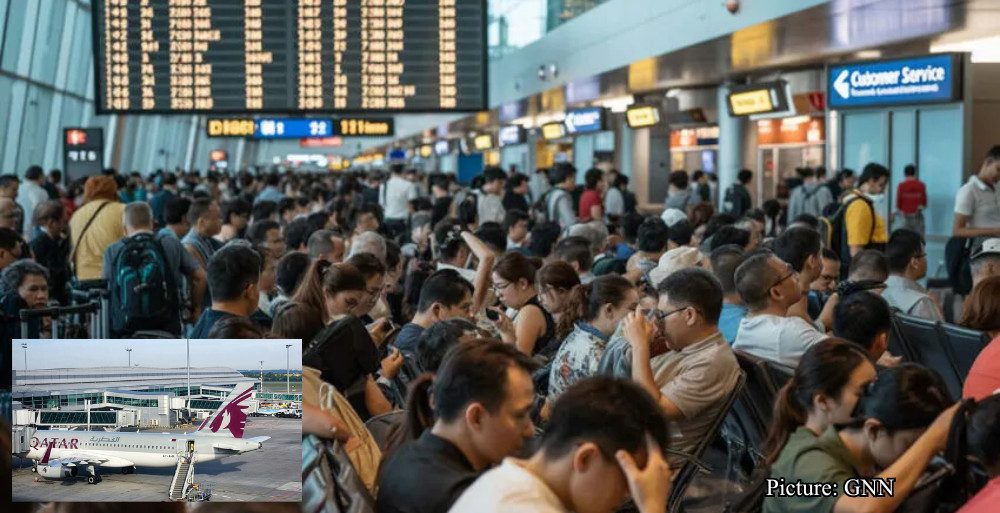
The grounding of Qatar Airways, the nation’s flag carrier, has left a significant void in regional connectivity. The airline has been providing daily updates regarding the suspension of its global fleet. For travelers who were scheduled to depart between February 28 and March 10, 2026, Qatar Airways is currently offering two options: rebooking their flights within 14 days of a potential resumption or requesting a full refund.
The airline’s customer service infrastructure has been strained by the volume of stranded passengers seeking clarity. Consequently, Qatar Airways has requested that only passengers with immediate departures reach out to customer service directly. The airline continues to advise passengers to check their flight status on the airline’s website or mobile app rather than visiting airport terminals, which remain largely inactive for commercial operations.
This domestic policy shift mirrors broader regional trends as the Middle East grapples with systemic disruptions to its transportation hubs. Qatar joins several other nations, including the Maldives, Sri Lanka, India, and Indonesia, which have also adjusted their visa protocols to accommodate travelers displaced by the volatility in Middle Eastern air corridors. These coordinated, albeit independent, policy shifts underscore the severe logistical challenges facing the global travel industry in 2026.
Beyond the administrative adjustments to immigration status, the Qatari government has shifted its focus toward the safety and security of those currently unable to depart. The Ministry of Interior has issued stern safety guidelines for both residents and visitors, urging the public to exercise the utmost caution during this period of instability.
The Ministry has advised everyone to stay indoors as much as possible and avoid unnecessary movement, highlighting the gravity of the security situation. Further directives have instructed visitors to limit travel to only essential trips and to avoid windows and exposed areas within their accommodations. The government has stressed the importance of following official instructions and only relying on updates from the Ministry’s official channels to avoid misinformation.
The current crisis represents a sharp departure from Qatar’s recent efforts to position itself as a premiere global tourism and transit hub. Under standard operating procedures, Qatar maintains one of the most open visa policies in the region, allowing citizens of 102 countries to obtain visas on arrival. The sudden transition from a high-growth tourism strategy to a state of emergency highlights the vulnerability of highly connected aviation economies to geopolitical shocks.
Industry analysts suggest that the long-term impact on Qatar’s tourism sector will depend heavily on the duration of the airspace closure. While the automatic visa extension provides immediate relief, the lack of a clear timeline for the resumption of commercial flights leaves many visitors in a state of prolonged uncertainty. For future travelers, international travel advisories are currently suggesting the consideration of alternative routes or destinations in the short term, as flight operations from Doha remain in flux.
As the Ministry of Interior continues to monitor developments, it has promised to take additional steps if necessary to ensure the stability of residents and visitors. The government’s priority remains the prevention of administrative penalties for individuals who are victims of circumstances beyond their control. This proactive stance is intended to maintain the country’s reputation as a managed environment, even during periods of significant regional duress.
The socio-economic implications of the crisis extend beyond the travelers themselves, affecting the hospitality and retail sectors that rely on the steady flow of transit passengers through Hamad International Airport. With the airport’s retail and transit zones largely dormant, the Qatari government is under increasing pressure to find diplomatic resolutions that would allow for the reopening of air corridors.
For those currently in the country, the one-month extension provides crucial relief during this challenging period. However, the ministry’s warning to maintain a flexible itinerary and be prepared for further disruptions serves as a reminder that the situation remains volatile. Visitors are encouraged to maintain contact with their respective embassies and to ensure they have sufficient resources for an extended stay.
The Ministry of Interior concluded its announcement by reinforcing that the safety and legal security of visitors remain paramount. The ministry continues to monitor developments and promises to take additional steps if necessary, ensuring that the legal status of foreign nationals remains protected while regional diplomatic efforts continue to address the underlying causes of the airspace closure.