






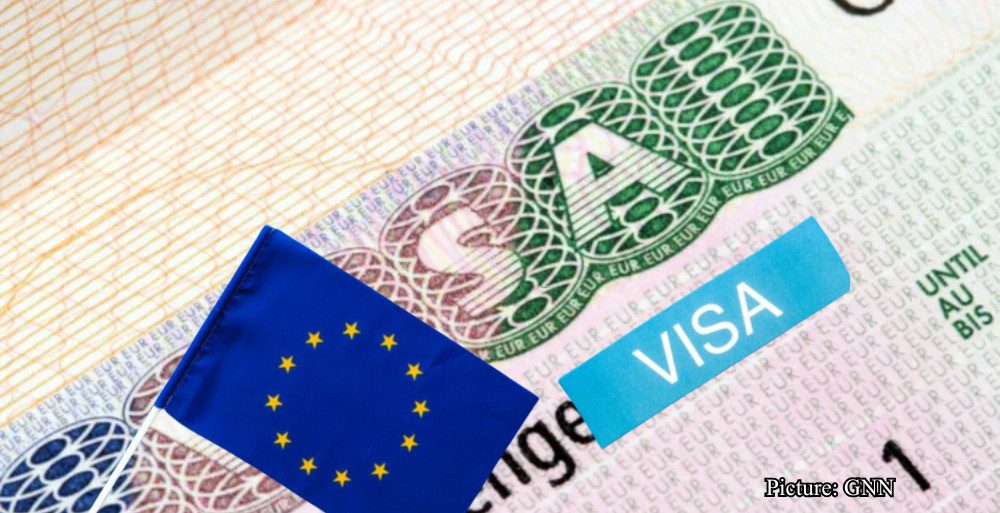
In a move that could significantly alter the landscape of international travel and residency within Europe, the European Union is considering extending the validity of Schengen visas beyond the current five-year limit. This proposal, aimed at ‘trusted’ travelers, reflects the EU’s evolving approach to mobility, security, and economic integration within the region.
The Schengen Area, a cornerstone of European integration, currently encompasses 27 countries, allowing passport-free travel across most of the continent. The Schengen visa, a critical tool facilitating this freedom, has traditionally been capped at a maximum validity of five years. However, as the EU seeks to enhance its attractiveness as a destination for tourism and business, extending the visa duration for reliable travelers appears to be a logical progression.
This potential policy shift is rooted in the broader context of the EU’s efforts to streamline and modernize its visa policies. The Schengen visa system has long been a symbol of European unity, but it has also been criticized for its complexity and the bureaucratic hurdles it presents to non-EU nationals. By extending the validity period, the EU signals a commitment to reducing administrative burdens, thus fostering a more welcoming environment for international visitors and investors.
The proposal to extend visa durations comes at a time when Europe is grappling with various challenges, including economic recovery post-pandemic, demographic shifts, and the need to remain competitive in a globalized world. By facilitating longer stays for trusted individuals, the EU aims to harness the potential of these travelers to contribute economically and culturally to the region.
Historically, the Schengen visa system was established in 1995, following the Schengen Agreement of 1985, which laid the groundwork for the abolition of internal border controls between participating countries. Over the years, the system has expanded both in terms of geography and scope, becoming a vital component of the EU’s internal market. However, the rigid visa validity limits have occasionally been a point of contention, especially for frequent travelers, business professionals, and long-term visitors.
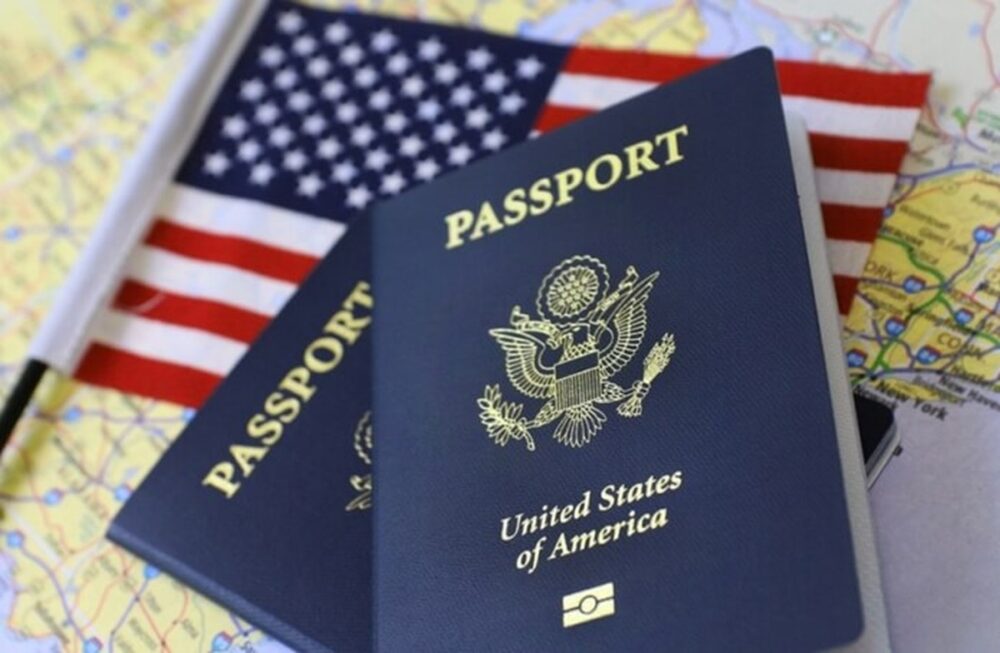
Extending the visa validity aligns with global trends where countries are increasingly recognizing the benefits of facilitating easier mobility for certain categories of travelers. For instance, the United States offers ten-year multiple-entry visas to citizens of several countries, a model that has been lauded for its convenience and efficiency. By adopting a similar approach, the EU could enhance its appeal as a destination for business and leisure, potentially boosting its tourism and hospitality sectors.
However, the proposal is not without its challenges. Security concerns remain paramount, especially in an era where migration and border control are politically sensitive issues across Europe. The EU will need to balance the benefits of extended visas with the imperative of maintaining rigorous security checks to prevent misuse. This necessitates robust mechanisms for vetting and monitoring travelers to ensure that the system is not exploited by those with malicious intent.
Moreover, the implementation of such a policy would require significant coordination among member states, each with its own immigration policies and security protocols. The EU’s ability to harmonize these diverse systems will be critical to the success of the initiative. Additionally, the potential economic impact on non-Schengen EU countries, which could see shifts in travel patterns, will need to be carefully considered.
As the EU moves forward with this proposal, it will likely engage in extensive consultations with member states, stakeholders in the travel and tourism industry, and security experts. The outcome of these discussions will shape the final contours of the policy and determine its feasibility and effectiveness.
In conclusion, the EU’s consideration of extending Schengen visa validity beyond five years marks a significant step in its ongoing efforts to modernize its visa policies. While the move promises to enhance the EU’s attractiveness and economic dynamism, it also presents challenges that will require careful navigation. As Europe continues to redefine its role in an interconnected world, policies like these will play a crucial role in shaping its future trajectory.