
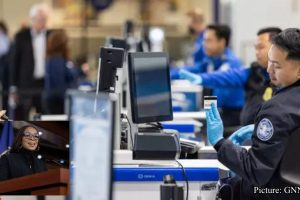




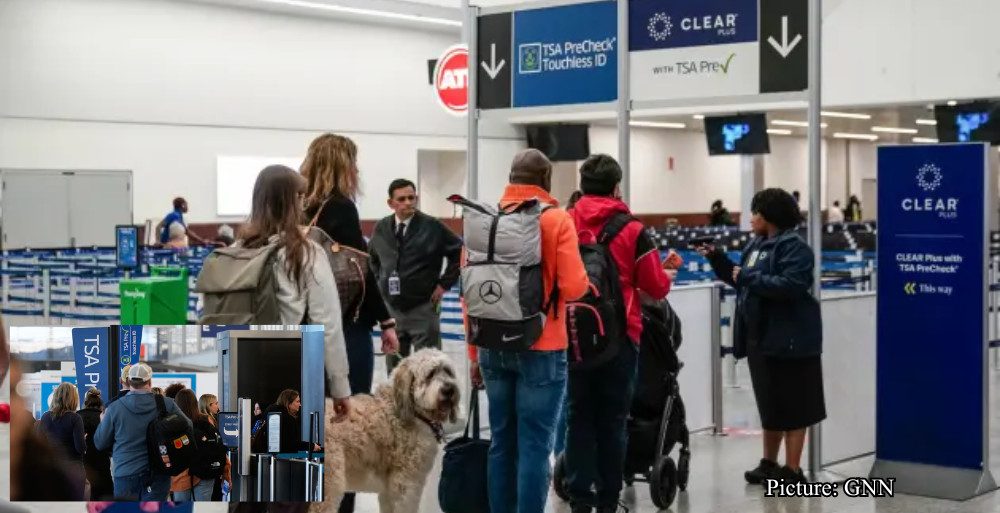
The Department of Homeland Security (DHS) has reversed its decision to suspend TSA PreCheck and Global Entry programs amidst a government shutdown, following significant criticism from both elected officials and travelers.
The Department of Homeland Security’s recent decision to reverse the suspension of TSA PreCheck and Global Entry programs, initially prompted by the government shutdown, has sparked a broader conversation about the impact of political gridlock on public services. This move comes after a wave of criticism from lawmakers and the traveling public, who expressed concerns over the potential consequences of such suspensions on national security and travel efficiency.
The original suspension decision was a direct consequence of the budgetary impasse that led to a partial government shutdown. When the government fails to pass a budget or a continuing resolution to fund its operations, essential services often face disruptions. In this case, DHS had initially decided to suspend these trusted traveler programs, which are designed to expedite security screenings for pre-approved, low-risk travelers.
The backlash was swift and vocal. Elected officials from both sides of the aisle voiced their concerns, highlighting the importance of these programs in maintaining efficient and secure travel operations. Travelers, too, expressed their frustration, citing the inconvenience and potential delays they would face without access to expedited security processes. The criticism was not just about the inconvenience, but also about the broader implications for national security and the economy.
TSA PreCheck and Global Entry are vital components of the United States’ efforts to streamline airport security. TSA PreCheck allows travelers to pass through security checkpoints without removing shoes, belts, and light jackets, and without having to take laptops and liquids out of their carry-on bags. Global Entry, on the other hand, facilitates expedited clearance for pre-approved, low-risk travelers upon arrival in the United States. These programs are not just about convenience; they are about creating a more efficient and secure travel environment.
The decision to suspend these programs during a shutdown was seen by many as a misguided attempt to manage limited resources. Critics argued that the suspension would not only inconvenience travelers but also potentially compromise security by forcing more travelers through regular security lines, thereby increasing wait times and reducing the ability to focus on higher-risk passengers.
In reversing the decision, DHS acknowledged the importance of these programs and the need to maintain them even during times of fiscal uncertainty. This reversal highlights the delicate balance that government agencies must strike between managing budget constraints and maintaining essential services. It also underscores the importance of these programs in the broader context of national security and economic stability.
The incident also serves as a reminder of the broader challenges facing the U.S. government when it comes to funding and managing public services. Government shutdowns have become increasingly common in recent years, often resulting in significant disruptions to public services and programs. While some may view these shutdowns as a necessary part of the political process, they often have real-world consequences that extend far beyond the halls of Congress.
For travelers, the reversal of the suspension is a welcome relief. The ability to move quickly and efficiently through security checkpoints is a significant benefit, particularly for frequent flyers and business travelers. It also underscores the importance of public engagement and advocacy in influencing government decisions. The swift response from travelers and elected officials played a crucial role in prompting DHS to reconsider its initial decision.
This episode also highlights the broader implications of government shutdowns on public services. While the focus is often on the immediate impacts, such as furloughed workers and closed national parks, the ripple effects can be far-reaching. Essential programs and services that rely on government funding can face significant disruptions, affecting everything from national security to economic stability.
In the end, the reversal of the suspension of TSA PreCheck and Global Entry serves as a reminder of the importance of these programs and the need for government agencies to prioritize essential services, even in times of fiscal uncertainty. It also highlights the power of public engagement and advocacy in shaping government policy and decisions.