






When explorers, traders and sailors once glided across the shimmering waters of the Arabian Sea, one port city stood out — not just as a waypoint, but as a destination of power, prosperity and cultural exchange. Kochi, on the southwestern coast of India, is widely celebrated as the “Queen of the Arabian Sea” — a title born from centuries of maritime dominance, thriving trade routes and a unique multicultural heritage that continues to shape its identity today.
A Natural Harbour at the Heart of Ancient Trade
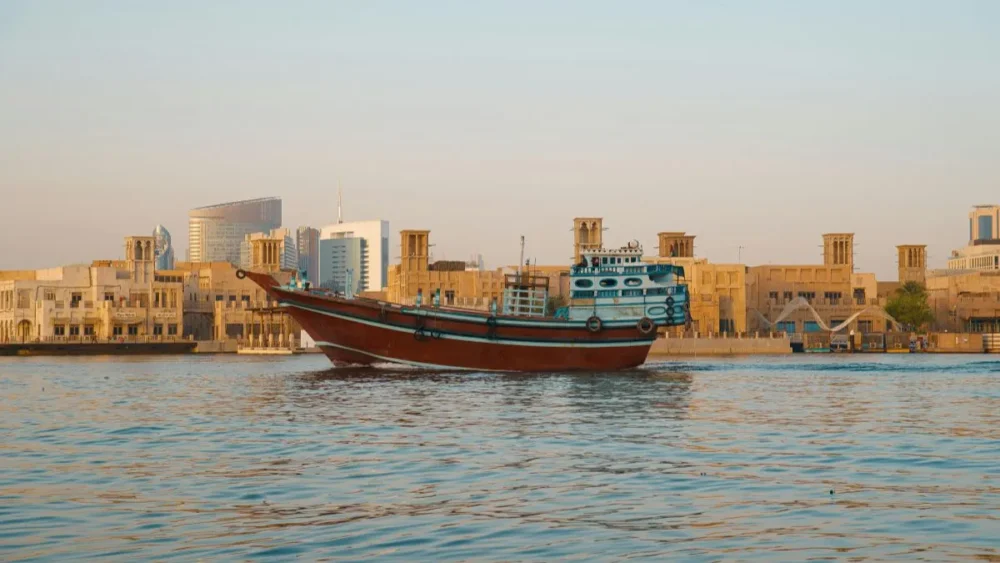
Strategically located along the Malabar Coast in the state of Kerala, Kochi’s deep natural harbour made it an ideal anchor for ships arriving from distant lands. Long before modern transportation networks, this coastline connected merchants from Arabia, Africa, Europe and Southeast Asia. Its waters welcomed spice traders, shipbuilders and adventurers — all navigating routes that flowed through the Indian Ocean long before colonial powers arrived.
The city’s harbour was more than geographic advantage; it was a symbol of economic might. Over the centuries, Kochi became a bustling marketplace where goods like black pepper, cardamom, cinnamon and ginger were bartered and sold under the gaze of fleets from far-flung regions. These commodities were coveted in international markets, and Kochi’s role as a major distributor earned it global renown.
Layers of Cultural Fusion
What truly distinguishes Kochi is its rich tapestry of cultural influences — a legacy of interactions with traders and settlers over centuries. From Arab merchants to Chinese explorers, European colonisers to Indian rulers, each group left its imprint on the city’s architecture, language, cuisine and customs.
- Arab and Persian Influence: Long before European arrival, Arab traders established strong commercial ties with Kochi, influencing local language, dress and social life. Even today, elements of Arab culture resonate in the city’s traditions.
- Chinese Footprints: The iconic Chinese fishing nets — now emblematic of Kochi’s waterfront — are believed to have been introduced by Chinese traders centuries ago. These massive cantilevered structures are still used daily by local fishermen and draw visitors from around the world.
- Portuguese, Dutch and British Eras: Kochi’s colonial history is visible in the Fort Kochi district, where forts, churches, and old European buildings evoke the city’s role at the centre of colonial ambitions. Each European power contributed to port infrastructure, civic planning and trade regulations.
This multicultural heritage has given Kochi a cosmopolitan soul — one where festivals, food and communities blend local traditions with global echoes.
Architectural and Historic Highlights
Kochi’s streets reveal history around every corner. In the historic Fort Kochi area, centuries-old churches, spice warehouses, colonial mansions and synagogues stand as living museums.
- St. Francis Church — one of the oldest European churches in India, originally built by the Portuguese for sailors and merchants.
- Mattancherry Palace (Dutch Palace) — adorned with traditional Kerala murals, this palace reflects the artistic fusion of European and Indian design.
- Jewish Synagogue — a symbol of the once-flourishing Jewish community, whose trade activities helped shape the region’s early connectivity.
These monuments narrate a story of trade, faith, adaptation and coexistence — elements that helped craft Kochi’s unique identity.
A Modern Metropolis with an Ancient Heart
Today, Kochi stands at the crossroads of heritage and modernity. It has transformed into a thriving urban centre with technology parks, international ports, cultural festivals and a vibrant arts scene. Yet, the rhythm of the sea continues to echo through its lanes and markets.
Visitors can stroll the waterfront promenades, watch traditional fishing techniques in action, taste world-inspired local cuisine, and immerse themselves in art festivals that attract global talent. From the spice-scented lanes of Mattancherry to contemporary art spaces and waterfront cafés, Kochi is both a destination of reflection and exploration.
Why Kochi Still Reigns as the Queen of the Arabian Sea
The title “Queen of the Arabian Sea” encapsulates much more than maritime stature. It speaks to Kochi’s ability to bring the world together — through trade, culture, ideas and people. Its waters were once crossroads of commerce; today, its streets are hubs of heritage and innovation.
In Kochi, the ebb and flow of the sea mirror the city’s own story — shaped by tides of change, currents of culture and centuries of history.