

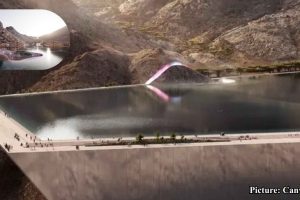




A massive engineering initiative in northwestern Saudi Arabia is creating a 2.8-kilometer artificial lake in the Trojena district, challenging conventional water management practices in arid environments and aiming to transform the region into a year-round tourist destination.
In a remarkable undertaking within Saudi Arabia’s NEOM project, extensive construction is underway in a rugged mountain valley near Jebel al Lawz. This initiative, part of the kingdom’s broader economic diversification strategy under Vision 2030, aims to develop a luxurious resort district that integrates a sizable freshwater lake, three dams, and various recreational facilities tailored to attract tourists throughout the year.
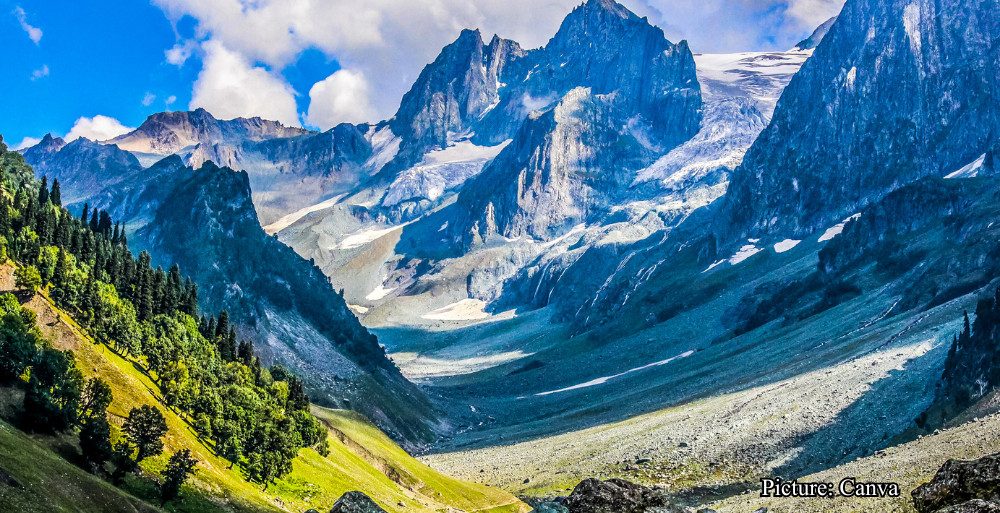
Situated at an elevation of approximately 2,600 meters above sea level, the Trojena site defies traditional expectations of desert development. Instead of merely erecting buildings, engineers are engaged in substantial civil works involving the construction of dams, tunnels, and extensive water infrastructure, a scale more reminiscent of hydroelectric projects than luxury resorts.
Transforming the Landscape
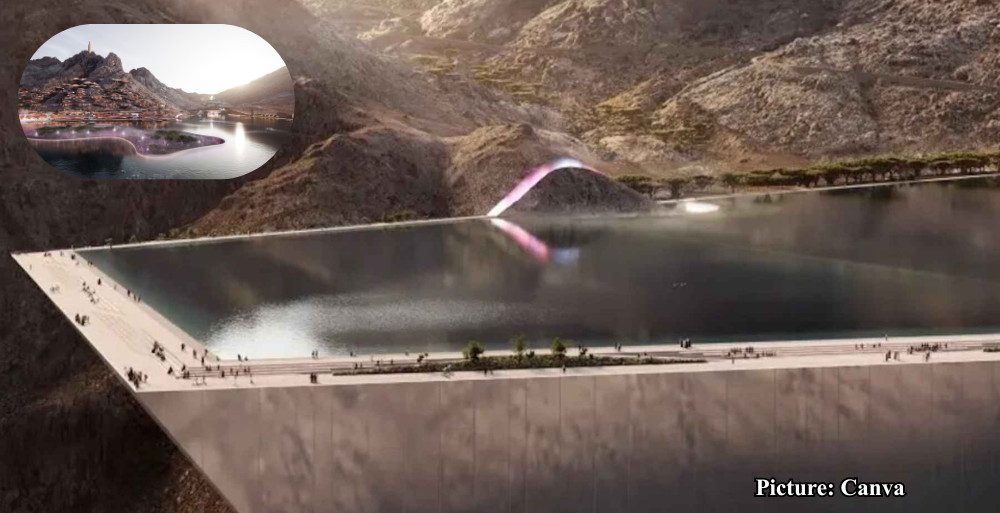
The central feature of the Trojena project is a planned 2.8-kilometer artificial lake, designed to serve as the core public space for water activities and attractions within the development. To realize this vision, project planners intend to construct three major dams that will retain water and define the lake’s basin. According to technical specifications from Studio Pietrangeli, the engineering firm overseeing the project, the main roller-compacted concrete dam will rise 145 meters high with a crest length of 475 meters. A second rockfill dam is set to be 84 meters high and 490 meters long, while a third concrete dam in the proposed Enchanted Forest area will reach 38 meters in height and span 700 meters.
The artificial lake will cover approximately 1.55 square kilometers and will be outfitted with a lakebed liner and a tunnel connection to a nearby development known as Lake Village. In addition to its functional role, the lake is designed to provide a scenic environment, complete with an island dedicated to botanical exploration and walking trails, enhancing the overall visitor experience.
An Ambitious Architectural Feature
One of the most striking elements of the Trojena project is a structure known as The Bow, which will extend over the valley and serve as both a hotel and residential complex. The Italian construction group Webuild, which has been awarded the primary contract for the project, describes The Bow as a unique architectural design that features a large central atrium, providing expansive views of the surrounding landscape. The incorporation of such ambitious structures is expected to draw attention not only for their scale but also for their innovative approach to luxury in a mountainous desert environment.
In January 2024, Webuild announced a substantial $4.7 billion contract tied to the construction of the artificial lake and its associated structures, including the dams and The Bow. This initiative is projected to involve over 10,000 workers, encompassing both direct and third-party personnel, indicating a significant investment in local job creation and economic development.
Alignment with Saudi Vision 2030
The Trojena project is intrinsically linked to Saudi Arabia’s Vision 2030, a strategic framework aimed at diversifying the kingdom’s economy beyond oil dependency. Officials describe the development as a multifaceted blend of tourism, sports, and real estate, with plans to host the 2029 Asian Winter Games in the region. NEOM’s promotional materials emphasize the unique features of Trojena, including opportunities for paddleboarding, kayaking, and the construction of a high-altitude ski village, which aims to introduce outdoor skiing to the Gulf for the first time.
NEOM’s ambitious plans for Trojena are not simply about delivering conventional recreational activities; they aim to present a distinctive environment where visitors can engage in both water and snow-related pursuits in a region typically characterized by its aridity. The potential for three months of winter snowfall and over 30 kilometers of ski slopes underscores the innovative nature of the project, positioning it as a pioneering venture in the realm of luxury tourism.
Environmental and Economic Considerations
The development of an artificial lake in such a dry region raises important questions regarding environmental sustainability and water management. While the engineering feats involved in creating the lake and associated infrastructure are notable, critics may argue that the project could strain local water resources. It remains to be seen how the artificial lake will impact the surrounding ecosystem and whether the long-term benefits to the local economy will outweigh any potential environmental costs.
Furthermore, the ambitious scope of Trojena reflects a broader trend in Saudi Arabia towards leveraging large-scale construction projects as a means of stimulating economic growth and attracting international investment. As the global tourism landscape evolves, the kingdom’s focus on creating unique experiences designed to differentiate itself from other regional destinations may play a crucial role in its economic future.
Conclusion
Trojena represents a significant departure from conventional development approaches in arid regions, merging a large artificial lake, extensive dam infrastructure, and luxury accommodations in a mountainous desert environment. The project not only challenges preconceived notions of water management and tourism in Saudi Arabia but also embodies the kingdom’s aspirations under Vision 2030 to redefine leisure and recreation in the region. As construction progresses, Trojena stands poised to become a landmark destination that showcases the potential of innovative engineering and ambitious planning in the face of environmental challenges.