







The ongoing technological competition between the United States and China marks one of the most significant economic and strategic rivalries of the 21st century. This race for dominance is shaped by multiple factors, including advances in science, technology, engineering, and mathematics (STEM) education, government priorities, and innovation policies. Recently highlighted by insights from Nobel Prize-winning economists, the status quo of U.S. supremacy is increasingly challenged by China’s rapid progress.
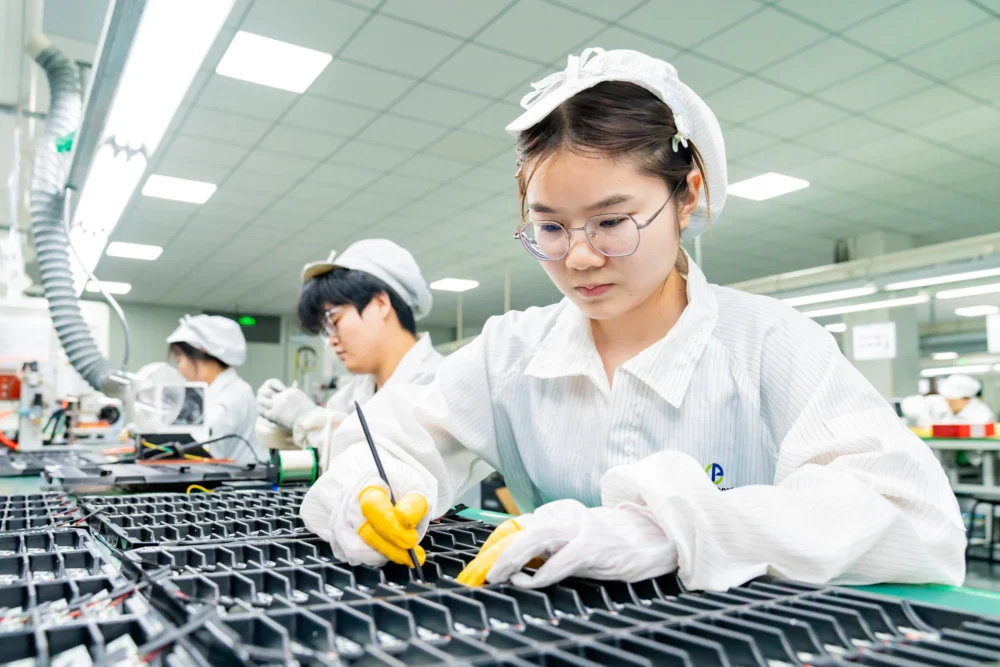
While the U.S. continues to lead in technological innovation, evidence shows China gaining strong momentum. A crucial factor is China’s intense focus on STEM education and research, with vast investments transforming these areas into national priorities. Beijing’s commitment to integrating technology as a foundation for economic growth mirrors the scholarly principles of innovation and creative destruction put forth by Nobel laureates Joel Mokyr, Philippe Aghion, and Peter Howitt.
Established American tech giants face dilemmas that may stifle innovation. Large corporations frequently acquire or suppress emerging startups, potentially inhibiting market competition and slowing technological advancement. According to the Nobel laureates’ research, innovation drives economic growth but also causes “creative destruction” by rendering older technologies obsolete. Protecting dominant firms against disruption, therefore, threatens progress and risks stagnation.
On a parallel track, the U.S. government’s strategic efforts to curb China’s technological gains—through sanctions, blacklisting, and diplomatic pressure—highlight a confrontational approach to preserving American leadership. However, focusing inward on strengthening domestic science and welcoming global talent may yield better outcomes than attempting to suppress China’s rise.
Quantitative indicators reinforce the competitive trajectory. China leads globally in the number of STEM schools, research institutes, and graduates, outpacing the U.S. in numbers and scale. For example, in 2020, China accounted for over 40% of STEM graduates worldwide, compared to 20% from the U.S., and awarded more than 50,000 STEM doctorates in 2022, significantly surpassing the U.S.’s approximately 34,000.
While the U.S. remains the top-ranking country across key technology sectors such as artificial intelligence, biotechnology, semiconductors, space, and quantum technologies, China is rapidly closing the gap. The race for technological leadership is no longer assured for the U.S.; maintaining its edge requires robust support for innovation ecosystems, education, open immigration policies, and fostering competitive markets that allow creative destruction to thrive.
In summary, the lessons from Nobel laureates and current data underscore that the U.S. cannot take its technological dominance for granted. The future hinges on policies that encourage continuous innovation and prevent complacency in the face of an assertive and well-prepared competitor.