







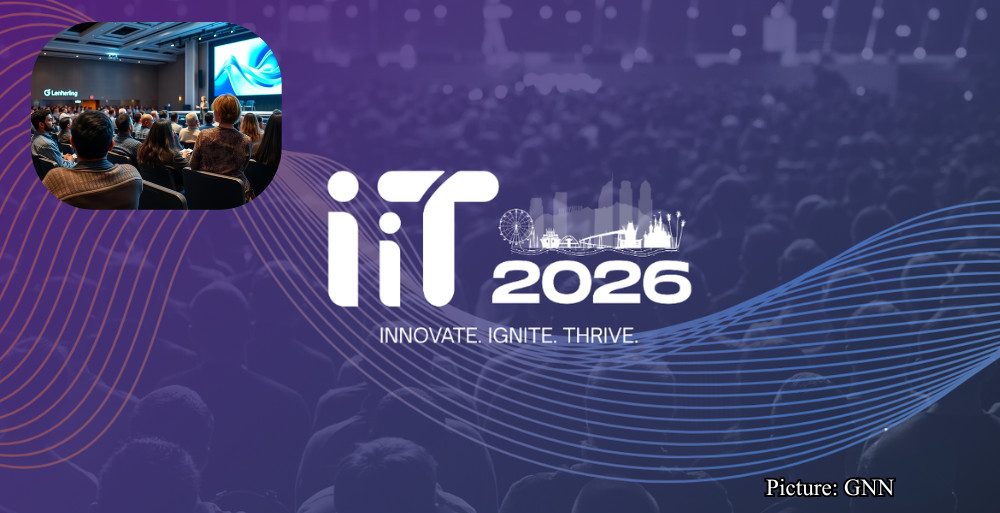
The IIT 2026 global conference aims to broaden participation beyond alumni of the Indian Institutes of Technology, reflecting a shift towards inclusivity amid changing global dynamics affecting the technology sector.
The Indian Institutes of Technology (IITs), a prestigious network of engineering and technology schools in India, are set to host a transformative global conference in 2026. This event signifies a pivotal shift in the institution’s approach, as it will open its doors to a broader audience, moving away from its historically exclusive focus on IIT alumni and individuals of Indian nationality. The decision is rooted in the need to adapt to the evolving landscape of global technology and geopolitical dynamics.
The IIT brand, renowned for its rigorous academic programs and successful alumni, has expanded significantly since its inception. Originally established with five campuses, the IIT network has grown to encompass 23 institutions across India. This expansion reflects India’s emergence as a key player in the global technology sector, evolving from a predominantly service-oriented economy to a hub for innovation and technological advancement. However, as the sector matures, questions have arisen regarding the perceived exclusivity of the IIT brand, especially in light of other successful alumni from different institutions. Notably, Satya Nadella, the CEO of Microsoft, graduated from Manipal Institute of Technology, highlighting that significant talent exists outside the IIT framework.
Shifting Dynamics in the Technology Sector
The backdrop to this conference is the rapid evolution of the technology sector, particularly driven by advancements in artificial intelligence (AI). The rise of AI technologies is reshaping the job market for IT professionals, creating both opportunities and challenges. As automation increasingly replaces traditional roles, the demand for IT professionals is experiencing disruption, prompting institutions like the IITs to rethink their educational offerings and industry engagement strategies.
Furthermore, international immigration policies have added another layer of complexity. As the Indian diaspora flourishes abroad, particularly in the United States, tightening immigration regulations impact the mobility of skilled professionals. Despite constituting only approximately 2% of the U.S. population, Indians represent the highest-earning immigrant group, contributing around 8% to the country’s economic growth. This economic significance underscores the need for inclusive environments that recognize and harness diverse talents, regardless of their educational backgrounds.
Commitment to Inclusivity
In response to criticisms regarding the exclusivity of IITs, the organizers of the IIT 2026 conference are making a concerted effort to welcome participants from various educational backgrounds and nationalities. This commitment to inclusivity is a strategic initiative aimed at enhancing the conference’s relevance in an increasingly interconnected world. By inviting a diverse audience, the IITs are not only celebrating their own legacy but also recognizing and honoring the achievements of the broader Indian diaspora, which has played a significant role in advancing global technology and innovation.
As the IITs commemorate 75 years of their establishment, the focus has shifted from individual institutional prestige to a collective celebration of the contributions made by Indians globally. This strategic pivot reflects a recognition that the future of technology and innovation is no longer confined to a single institution or brand. The IIT 2026 conference aims to highlight the interconnectedness of success across various educational institutions and the importance of collaboration in driving innovation.
Global Implications and Future Directions
The implications of this shift extend beyond the IITs themselves and resonate within the broader landscape of education and technology. As the technology sector continues to evolve, educational institutions worldwide are reassessing their approaches to inclusivity and global engagement. The IIT 2026 conference serves as a case study for how institutions can adapt to changing circumstances while remaining relevant in a competitive global arena. By embracing a wider range of participants, the IITs are positioning themselves as leaders in fostering innovation that transcends borders and institutional affiliations.
In conclusion, the IIT 2026 global conference represents a significant step toward inclusivity, aligning with the changing dynamics of the global economy and the technology sector. By welcoming a diverse array of participants, the IITs aim to cultivate an environment that encourages collaboration and innovation. As the conference date approaches, stakeholders across the globe will be closely monitoring how these changes are implemented and their potential impact on the IIT brand and the future of technology education. This initiative not only promises to redefine the IITs’ image but also serves as an important reminder of the value of inclusivity in driving technological progress and economic development.