









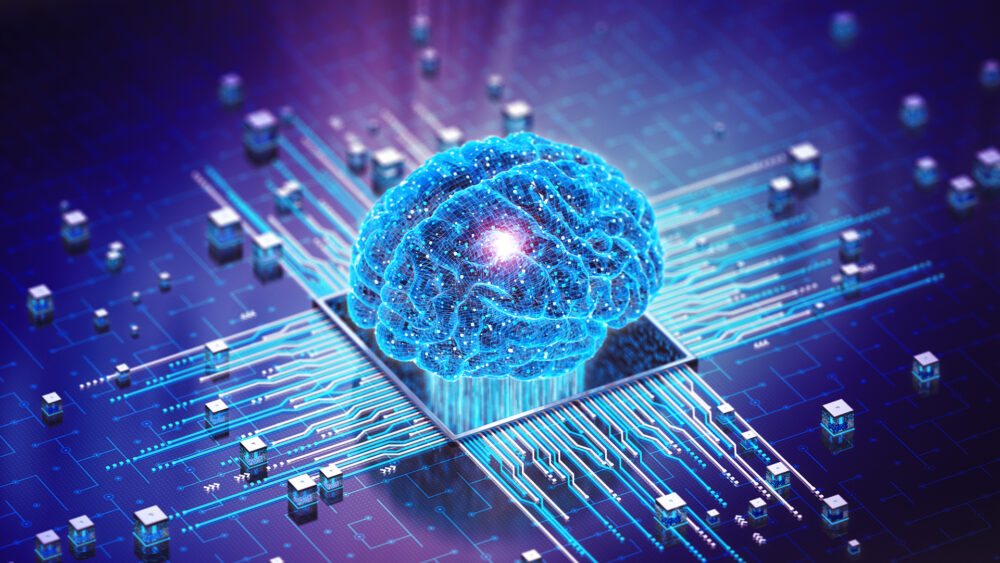
As artificial intelligence (AI) systems hit performance limits with current silicon-based technology, a new frontier is emerging: computers powered by living human brain cells. These experimental “biocomputers” can already perform simple tasks like playing Pong or recognizing basic speech patterns — and while far from true intelligence, they are advancing faster than expected.
The momentum behind this field is driven by three major trends:
- Investors are heavily funding anything connected to AI, making once-speculative ideas financially viable.
- Brain organoid research has matured, with labs now able to grow functional neural tissue outside the human body.
- Brain–computer interface (BCI) technologies are accelerating, creating wider acceptance of merging biological and electronic systems.
These developments raise both excitement and concern. Are we seeing the birth of a transformative technology, or just another overhyped chapter in tech history? And importantly — what ethical challenges emerge when human neurons become part of a machine?
What This Technology Really Is
For nearly five decades, neuroscientists have been growing neurons on electrode grids to study their firing patterns in controlled environments. By the early 2000s, researchers began experimenting with two-way communication between neurons and electrodes, planting the early seeds of biological computing.
The breakthrough came with organoids — three-dimensional brain-like structures grown from stem cells. Since 2013, organoids have revolutionized biomedical research, used in drug testing, disease modelling, and developmental studies. Although these structures generate electrical activity, they lack the complexity required for consciousness or advanced cognition.
While early organoids behaved in basic, uncoordinated ways, modern versions are showing increasingly complex network patterns — though still far from resembling a human brain.
The Rise of “Organoid Intelligence”
In 2022, Melbourne-based Cortical Labs demonstrated that trained neurons could learn to play Pong in real time. The study sparked global headlines, especially after the team used provocative language like “embodied sentience” — terminology many neuroscientists criticized as exaggerated.
In 2023, researchers coined the term “organoid intelligence”, a catchy label that unfortunately blurs the enormous gap between these biological systems and true artificial intelligence. Ethicists warn that governance frameworks have not kept pace with these developments. Most ethical guidelines consider organoids as biomedical tools — not potential computational components.
This gap between technology and regulation has alarmed leading experts, who are calling for immediate revisions to bioethics standards before the field grows beyond oversight.
A Rapidly Expanding Field
Research labs and startups across the U.S., Switzerland, China, and Australia are racing to create biohybrid computing platforms.
- FinalSpark (Switzerland) already offers remote access to living neural organoids.
- Cortical Labs (Australia) plans to release its first consumer-facing “living computer” — the CL1.
These systems are attracting interest far beyond medicine, including from AI researchers searching for new forms of computation.
Academic ambitions are rising too. A UC San Diego research group has proposed using organoid-based systems to model oil spill trajectories in the Amazon by 2028 — a bold bet on the future capabilities of biological computing.
For now, however, these systems are experimental, limited, and nowhere near conscious. Their intelligence is primitive — mostly simple feedback responses rather than meaningful cognition.
Current research focuses on:
- making organoid systems reproducible,
- scaling them up,
- and identifying real-world applications.
Promising near-term uses include alternatives to animal testing, improved prediction of epilepsy-related brain activity, and early developmental toxicity studies.
Small Systems, Big Ethical Questions
What makes this emerging field simultaneously thrilling and unnerving is its broader implication: the fusion of living tissue with machines. As figures such as Elon Musk push neural implants and transhumanist ideas, organoid intelligence forces society to confront uncomfortable questions:
- What qualifies as intelligence?
- At what point might a cluster of human cells deserve moral or legal consideration?
- How do we regulate biological systems that behave, even slightly, like computers?
The technology is young, but its trajectory suggests these philosophical and ethical debates may soon become unavoidable. What begins as scientific curiosity could eventually expand into profound questions about consciousness, personhood, and the merging of biology with machines.