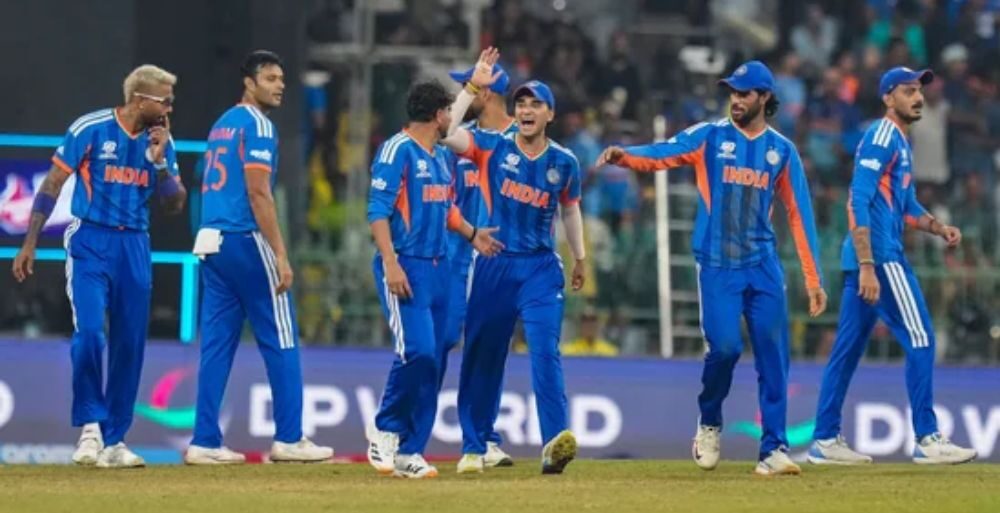








In a stunning display of cricketing prowess, South Africa defeated India by a commanding 76 runs in their Super Eight Group One encounter, firmly establishing themselves as formidable contenders for the T20 World Cup title.
On a balmy Sunday in Ahmedabad, cricket enthusiasts witnessed a masterclass in strategic play as South Africa dismantled the defending champions, India, in a crucial Super Eight Group One match. This victory not only secured South Africa’s position as a top contender in the ongoing T20 World Cup but also sent shockwaves through the cricketing world, challenging the preconceived notions about the dominance of subcontinental teams on their home turf.
The match unfolded at the iconic Narendra Modi Stadium, a venue that has seen its fair share of historic cricketing battles. The South African team, led by their astute captain, played with a sense of purpose and aggression that was palpable from the onset. Winning the toss, South Africa opted to bat first, a decision that raised eyebrows given the pitch’s reputation for favoring bowlers in the initial overs. However, this decision soon proved to be a masterstroke as their batsmen took to the crease with an aggressive intent that set the tone for the rest of the innings.
Opening batsman Quinton de Kock was the architect of South Africa’s robust start, anchoring the innings with a well-crafted 68 off 42 balls. His innings was a blend of caution and aggression, as he expertly navigated the Indian bowling attack, which, despite its formidable reputation, appeared lackluster on the day. De Kock’s partnership with Rassie van der Dussen, who contributed a quickfire 45, was pivotal in laying a solid foundation for the team. Together, they stitched a partnership that not only steadied the innings but also accelerated the scoring rate, putting pressure on the Indian bowlers.
South Africa’s middle order capitalized on the strong start, with contributions from David Miller and Heinrich Klaasen, who ensured the momentum was maintained. The team posted a daunting total of 196 for the loss of only four wickets, a score that was always going to be challenging for the Indian batsmen to chase under the lights.
India’s response was tepid at best. The top order, which has been the backbone of India’s batting lineup, crumbled under the relentless pressure applied by the South African bowlers. Kagiso Rabada and Anrich Nortje, leading the pace attack, were exceptional, extracting bounce and movement from the pitch that left the Indian batsmen floundering. Rabada’s spell, in particular, was a lesson in precision and pace, as he dismantled the Indian batting lineup with figures of 4 for 22.
Amidst the chaos, Virat Kohli, the Indian captain, stood as the lone warrior, attempting to steer the innings with his characteristic grit and determination. However, his valiant effort of 52 runs was in vain as wickets continued to tumble at the other end. The Indian innings eventually folded for a paltry 120, handing South Africa a resounding victory by 76 runs.
This defeat has significant implications for India, not just in terms of their standing in the tournament but also concerning their strategy moving forward. The loss exposes vulnerabilities in India’s batting order, particularly against quality pace attacks, and raises questions about their ability to adapt to varying conditions and opposition strategies.
For South Africa, this victory is a testament to their meticulous planning and execution. Historically, South Africa has been labeled as ‘chokers’ in crucial matches, a tag that has haunted them for years. However, this performance might just be the turning point they need to shed that label and emerge as genuine contenders for the title. The balance in their squad, with a potent mix of experienced campaigners and young talent, augurs well for their prospects in the tournament.
Looking ahead, South Africa’s next challenge will be to maintain this momentum and consistency against other formidable teams. Their ability to perform under pressure and adapt to different match situations will be crucial as they progress in the tournament.
As for India, the road ahead is fraught with challenges. The team management will need to regroup and reassess their strategies, particularly in handling opposition pace attacks and optimizing their batting order. The pressure of expectations is immense, and how they respond to this setback will be pivotal in determining their fate in the tournament.
In conclusion, South Africa’s emphatic victory over India is a significant milestone in their cricketing journey. It not only reaffirms their potential as a cricketing powerhouse but also adds an intriguing twist to the T20 World Cup narrative. As the tournament progresses, cricket fans around the world will be keenly watching to see if South Africa can sustain this level of performance and finally lay claim to the elusive title.