






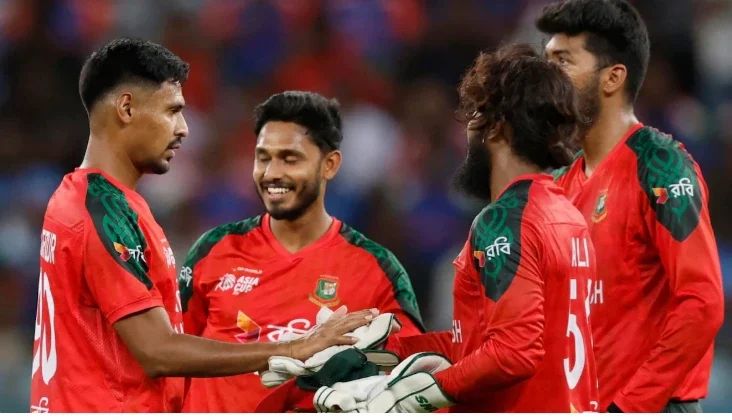
Bangladesh has intensified its push to relocate its upcoming T20 World Cup matches away from India, even after the International Cricket Council (ICC) rejected a formal request to shift the fixtures to Sri Lanka. The development highlights rising tensions between cricket’s global governing body and the Bangladesh government, which has framed the issue not only as a matter of security but also as one of national dignity.
Bangladesh’s sports advisor Asif Nazrul said on Wednesday that the ICC had failed to fully understand the gravity of the concerns raised by the Bangladesh Cricket Board (BCB). Speaking after a high-level meeting between government officials and BCB representatives, Nazrul made it clear that Bangladesh would continue to press the matter.
“We do not want to play the World Cup at the cost of national humiliation, at the cost of the security of our cricketers, spectators and journalists, or at the cost of the country’s dignity,” Nazrul told reporters in Dhaka. “After reading the letter we received from the ICC today, it felt to us that they have not fully understood the serious security situation that has developed in India for Bangladeshi cricketers.”
ICC Stands Firm on Hosting Plans
The ICC, during a virtual meeting with BCB officials late Tuesday, reportedly reiterated that it had received no formal intelligence inputs indicating security threats to Bangladesh players or support staff. As per ICC’s position, tournament arrangements will proceed according to the Members Playing Agreement (MPA), which obligates Bangladesh to play its matches in India as scheduled.
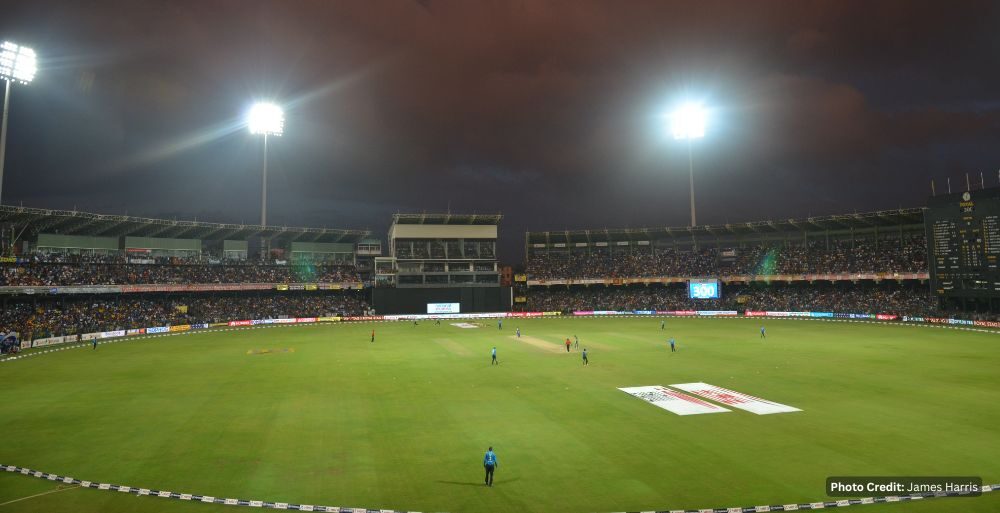
The refusal prompted the BCB to immediately consult the Bangladesh government, leading to Wednesday’s meeting attended by Nazrul. Following the discussions, it emerged that the BCB plans to send another letter to the ICC, offering further clarification on its objections and restating its demand to move the matches to Sri Lanka.
‘More Than Just Security’
Nazrul stressed that Bangladesh’s concerns go beyond routine safety protocols and reflect broader issues of treatment and respect.
“To me, it does not feel like only a security issue — it feels like an issue of national humiliation as well,” he said. “Still, we are primarily treating it as a security issue.”
He pointed to what he described as troubling signals emerging from Indian domestic cricket. Referring to Bangladesh pacer Mustafizur Rahman, Nazrul said that the Indian cricket establishment itself had raised concerns.
“When the Indian cricket board itself is telling the Kolkata team that they cannot provide security to this player and asking them to drop him from the team — that alone shows there is no environment in India where it is safe to play,” Nazrul claimed.
Although the Indian board has not publicly responded to the statement, the comment has added fuel to an already sensitive situation.
Diplomatic and Sporting Implications
Bangladesh’s stance places the ICC in a difficult position, especially with the T20 World Cup being a marquee global event requiring logistical certainty. Any change in venue at this stage would set a major precedent and could open the door for similar requests from other participating nations.
At the same time, Bangladesh’s framing of the issue as one of “national humiliation” signals that the matter has moved beyond cricket administration and into the realm of diplomacy and public sentiment.
Officials familiar with the discussions say Bangladesh fears that hostile public reactions, crowd behavior, or political tensions could place players and accompanying journalists under undue stress — even if no formal threat assessments currently exist.
What Happens Next?
For now, the ICC remains firm, and Bangladesh is contractually bound to play its matches in India. However, by signaling that another formal appeal is imminent, the BCB appears determined to keep pressure on cricket’s global governing body.
Observers believe the ICC may be forced to engage in further dialogue, even if it ultimately rejects Bangladesh’s request again. Any compromise, such as enhanced security assurances or neutral-venue contingencies, could become part of behind-the-scenes negotiations.
As the T20 World Cup approaches, the standoff underscores how modern international cricket is increasingly shaped not just by sport, but by politics, public perception, and national identity. Whether Bangladesh’s renewed appeal will lead to a change of venue or simply heighten tensions remains to be seen.