








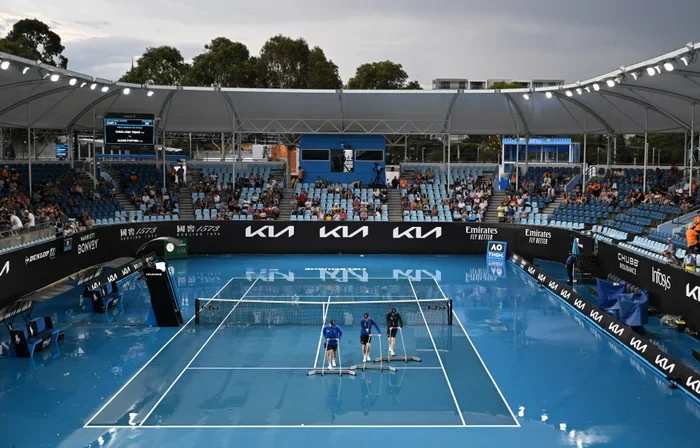
Organisers of the Australian Open have announced an earlier start to Saturday’s matches (January 24, 2026) in response to an intense heatwave forecast to push temperatures close to 40°C, raising concerns over player safety and spectator well-being.
To minimise exposure to the extreme heat, matches on the main show courts will begin at 10:30 a.m., earlier than the usual 11:00 or 11:30 a.m. start time. On outer courts, play could commence as early as 10:00 a.m., as officials attempt to take advantage of cooler morning conditions.
Tournament organisers have also issued heat safety advisories to fans, urging attendees to stay hydrated, wear sun protection, and limit prolonged exposure to direct sunlight.
“We expect pleasant conditions tomorrow morning, in the mid-20s, and will start play earlier and take advantage of the more temperate conditions,” said Craig Tiley, the tournament director.
Top Players Set to Compete Despite Scorching Conditions
Despite the sweltering forecast, several marquee names are scheduled to compete on Saturday, including Novak Djokovic, reigning men’s champion Jannik Sinner, and women’s titleholder Madison Keys.
The intense heat is expected to peak in the late afternoon, before easing slightly on Sunday (January 25, 2026). However, meteorologists warn that temperatures could surge again to approximately 43°C by Tuesday, posing continued challenges for players and organisers.
The Australian Open has long been known for its harsh summer conditions, and extreme heat has historically played a significant role in shaping match outcomes, player endurance, and scheduling decisions.
Medvedev Weighs In on Training Impact
While not scheduled to compete on Saturday, three-time Australian Open runner-up Daniil Medvedev acknowledged that the extreme temperatures could disrupt preparation ahead of the last-16 matches.
“Worst case, if it’s too hot, we can always go indoors. I would prefer outdoors,” Medvedev said.
He added that the conditions could create a unique spectacle for fans watching from home:
“It’s going to be interesting to watch on TV. What can I say? Let’s see how the guys cope. Hopefully no heat stroke and stuff like this.”
His comments reflect a broader concern among players about heat stress, dehydration, and physical endurance, particularly during long, physically demanding matches.
Heat Protocols and Match Adjustments in Place
Under Australian Open regulations, the tournament referee has the authority to delay, suspend, or modify matches in cases of extreme heat. Officials may also implement cooling breaks to allow players to recover and reduce the risk of heat-related illness.
Courts equipped with retractable roofs, including Rod Laver Arena, may have their covers closed to shield players and spectators from direct sunlight, effectively transforming matches into indoor contests when conditions become unsafe.
These heat mitigation strategies are part of the tournament’s broader Extreme Heat Policy, which has evolved in recent years to address growing concerns about climate-driven temperature spikes and athlete safety.
Fans Urged to Take Precautions
Organisers have advised spectators attending Saturday’s matches to plan ahead for the heat, recommending:
- Drinking water frequently
- Wearing hats, sunscreen, and lightweight clothing
- Taking regular breaks in shaded or air-conditioned areas
- Avoiding prolonged sun exposure during peak heat hours
With Melbourne bracing for one of the hottest days of the tournament, officials have stressed that health and safety remain the top priority for players, staff, and fans alike.
Conclusion: Heat Set to Shape the Tournament Narrative
As the Australian Open progresses into its later rounds, extreme weather is emerging as a defining factor, testing physical endurance, match scheduling, and tournament logistics. With star players set to take the court under challenging conditions, Saturday’s matches are likely to offer a dramatic test of stamina, strategy, and resilience.
The coming days — especially with forecasts predicting another spike toward 43°C — may further influence how organisers manage match play, roof closures, and heat safety protocols.