








In a groundbreaking study using intracranial electrodes, researchers have discovered that a single 20-minute session of moderate exercise significantly increases “sharp wave-ripples” in the human hippocampus. This direct evidence confirms a long-suspected mechanism for how physical activity strengthens memory and cognitive function by synchronizing neural networks.
For decades, the scientific community has understood that physical activity is a potent tonic for the brain, capable of reducing biological age and warding off the specter of dementia. However, the precise “how” has remained largely obscured behind the limitations of noninvasive imaging. That changed this week with the publication of a study providing the first direct recordings of hippocampal sharp wave-ripples in humans following physical exertion—a discovery that bridges the gap between a stationary bike and the cellular architecture of memory.
The research, led by senior author Michelle Voss, a cognitive neuroscientist at the University of Iowa, utilized a rare and highly precise data source: the intracranial electroencephalographic (iEEG) recordings of 14 epilepsy patients. These participants, aged 17 to 50, already had electrodes implanted in their brains for clinical evaluation. This allowed Voss’s international team to bypass the “fuzzy” data of traditional brain scans, which typically measure blood oxygen levels rather than direct electrical impulses.
The experiment was deceptively simple but the results were profound. After a baseline recording, participants engaged in a single 20-minute bout of light-to-moderate cycling on a stationary bike. The researchers monitored their brain activity both before and after the session. What they found was a surge in the frequency of “ripples”—highly synchronized bursts of neuronal activity that originate in the hippocampus.
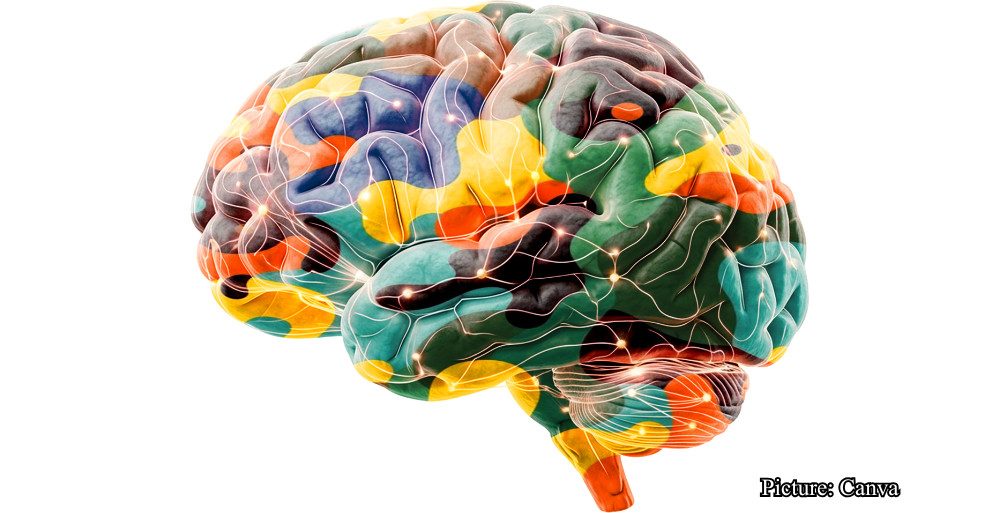
These ripples are essentially the brain’s “save button.” They are responsible for consolidating fleeting experiences into long-term memories by broadcasting signals from the hippocampus to the cortex and other subcortical areas. The study revealed that exercise not only increased the rate of these ripples but also dramatically strengthened the “connectivity” between the hippocampus and two critical neural hubs: the limbic system and the default mode network (DMN).
The DMN is particularly significant, as it is a large-scale brain network known to be active during wakeful rest and self-referential thought. By strengthening the link between the hippocampus and the DMN, exercise effectively primes the brain to process and store information more efficiently during the periods of rest that follow physical activity.
Crucially, the study found a dose-response relationship between effort and neural impact. Higher exercise intensity—measured by heart rate—correlated with a greater enhancement of ripple dynamics. This suggests that while even light movement is beneficial, pushing into a moderate aerobic zone creates a more robust “neural rhythm” that facilitates cognitive function.
“By directly recording brain activity, our study shows, for the first time in humans, that even a single bout of exercise can rapidly alter the neural rhythms and brain networks involved in memory,” Voss explained. While the sample size was small due to the specialized nature of iEEG data, Voss emphasized that the patterns observed closely match those seen in noninvasive studies of healthy adults. This suggests that the “exercise ripple” is a universal human brain response, not one limited to those with epilepsy.
The implications for public health and cognitive maintenance are vast. If a mere 20 minutes of cycling can tangibly alter the brain’s memory-processing hardware, exercise may be the most accessible and effective “nootropic” available. As the global population ages and the prevalence of cognitive decline rises, understanding these hippocampal ripples provides a clear physiological target for interventions aimed at preserving the human mind.
Beyond the laboratory, the study validates the “active break” in educational and professional settings. It suggests that the brain is not a static organ that simply fatigues, but a dynamic system that can be “recharged” and “synchronized” through movement. The message for the modern, sedentary worker is clear: the path to a better memory may not be more time at the desk, but 20 minutes on the bike.