









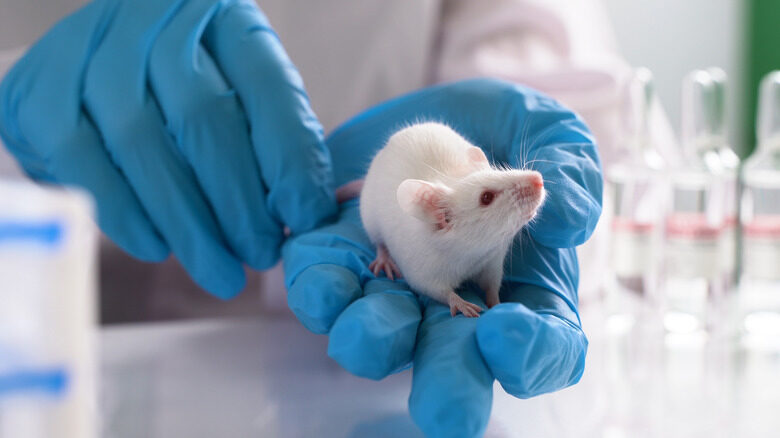
A groundbreaking new study published in Aging-US has revealed a surprisingly effective strategy to slow aging and dramatically extend lifespan — at least in elderly male mice. The research, titled “Sex-specific longitudinal reversal of aging in old frail mice,” demonstrates that a combination of two drugs, oxytocin and an Alk5 inhibitor, can significantly boost health and longevity.
The study was led by Cameron Kato and senior author Irina M. Conboy from the University of California, Berkeley — both well-known figures in the field of aging and regenerative biology.
A Powerful Drug Combination
Researchers treated frail 25-month-old mice — equivalent to about 75-year-old humans — with a combination of:
- Oxytocin (OT): A naturally occurring hormone associated with tissue repair and restoration, which declines with age.
- Alk5 inhibitor (A5i): A molecule that suppresses TGF-beta signaling, a pathway that becomes overactive in aging tissues and contributes to inflammation and cell dysfunction.
Together, these drugs reversed several age-related changes in the mice.
Male Mice Lived 70% Longer
The results were dramatic:
Frail elderly male mice treated with OT+A5i lived over 70% longer than untreated mice and showed stronger physical and cognitive performance.
- Improved mobility and endurance
- Better memory
- Stronger resistance to age-related decline
Statistical analysis revealed that treated males were nearly three times less likely to die at any given time than untreated mice.
According to the authors:
“OT+A5i treatment produced a 73% extension in remaining life expectancy for old, frail male mice and increased overall median lifespan by 14%.”
Why Didn’t It Work the Same for Females?
While both male and female mice initially showed benefits, only males sustained long-term improvements.
- Male mice showed stabilized blood protein patterns and reduced “biological noise” — markers associated with aging reversal.
- Female mice experienced short-term improvements and even increased fertility in middle age, but did not gain increased lifespan or lasting health benefits.
The reasons behind these sex-specific differences remain unclear, but researchers suggest hormonal, metabolic, or genetic differences may influence how each sex responds to anti-aging therapy.
What This Means for Human Aging Research
Encouragingly, both drugs used in the study already have pathways toward human use:
- Oxytocin is already FDA-approved.
- Alk5 inhibitors are currently being tested in clinical trials.
Because the treatment significantly improved survival in frail elderly mice — a group that often does not respond well to longevity therapies — this dual-drug approach could eventually become a promising candidate for human aging research.
The findings also emphasize that future anti-aging therapies may need to be sex-specific, rather than “one size fits all.”