









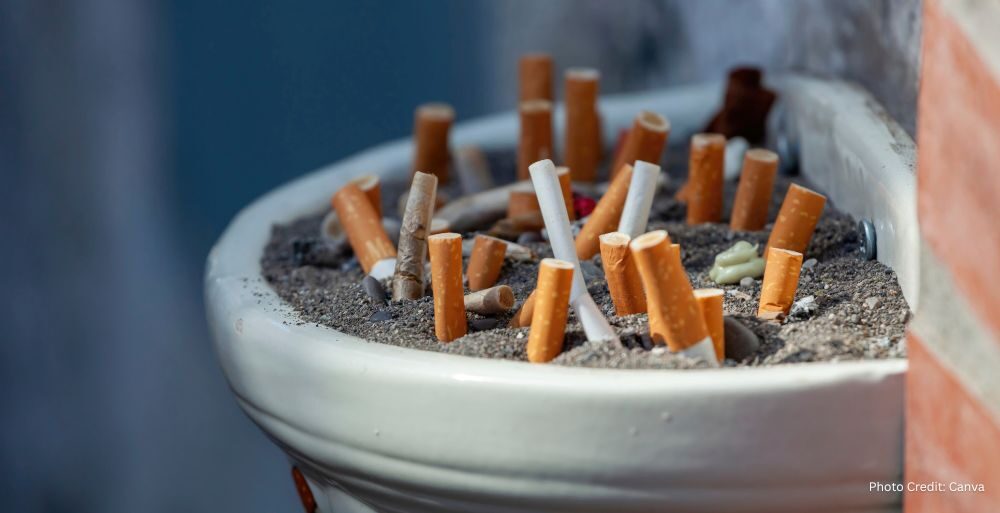
Health experts emphasize that nearly forty percent of global cancer diagnoses are linked to manageable lifestyle choices and environmental factors.
A comprehensive new analysis released by the World Health Organization has provided a stark reminder of the agency individuals and governments hold in the fight against oncology. According to the research, which was recently published in the prestigious journal Nature Medicine, more than one-third of all cancer cases diagnosed globally are classified as preventable. This finding suggests that millions of annual deaths could be averted through strategic medical interventions, significant behavioral modifications, and more rigorous regulation of environmental and occupational hazards.
The study specifically highlights that lung, stomach, and cervical cancers constitute nearly half of these preventable instances. By identifying the root causes of these malignancies, the World Health Organization aims to shift the global medical narrative from one of reactive treatment to proactive prevention. The data underscores a critical opportunity for public health systems to alleviate the global cancer burden by targeting specific, well-documented risk factors that are within human control.
Isabelle Soerjomataram, a senior medical epidemiologist at the World Health Organization and the senior author of the analysis, noted that addressing these preventable causes represents one of the most significant opportunities in modern medicine. The analysis examined data from 2022, a year in which approximately 19 million new cancer cases were recorded worldwide. Of those diagnoses, roughly 38 percent were directly attributable to a list of 30 changeable risk factors, ranging from personal habits to large-scale environmental pollutants.
Chief among these risk factors is tobacco smoking, which remains the single largest preventable cause of cancer on the planet. The study found that smoking was linked to 15 percent of all cancer cases globally in 2022. The impact is even more pronounced when viewed through the lens of gender-based data. For men, tobacco use contributed to a staggering 23 percent of all new cancer cases recorded that year, reinforcing the long-standing medical consensus that tobacco cessation is the most effective way to lower individual cancer risk.
While tobacco remains the primary culprit, the consumption of alcohol was identified as the secondary leading lifestyle-related risk factor. Alcohol intake accounted for approximately 3.2 percent of all new cancer cases, which translates to roughly 700,000 individual diagnoses annually. This highlights a growing concern among public health officials regarding the social normalization of alcohol and the lack of widespread awareness concerning its carcinogenic properties.
Beyond individual lifestyle choices, the report brings much-needed attention to the role of environmental factors, particularly air pollution. The impact of poor air quality is not uniform across the globe; rather, it fluctuates significantly based on regional industrialization and regulation. In East Asia, for example, air pollution was responsible for about 15 percent of all lung cancer cases in women. In contrast, in Northern Africa and Western Asia, approximately 20 percent of lung cancer cases in men were attributed to the same environmental factor.
The analysis also delved into the biological triggers of cancer, finding that infectious agents are linked to roughly 10 percent of new cases globally. Among women, the highest proportion of preventable cancers is caused by high-risk human papillomavirus, commonly known as HPV. While a highly effective vaccine for HPV exists and is capable of preventing the majority of associated cervical cancers, the World Health Organization warns that vaccination coverage remains dangerously low in many parts of the world due to economic barriers and lack of public health infrastructure.
Stomach cancer, another major contributor to the global cancer burden, showed a higher prevalence among male populations. These cases are frequently associated with a combination of smoking and chronic infections. The study points out that these infections are often the result of systemic societal issues, such as overcrowding, inadequate sanitation systems, and a lack of reliable access to clean water. This suggests that cancer prevention is not merely a matter of personal health but is deeply intertwined with infrastructure and socioeconomic development.
The list of thirty changeable risk factors identified in the study is extensive. It includes high body mass index, insufficient physical activity, the use of smokeless tobacco products like chewing tobacco, and the consumption of areca nut, which is a traditional stimulant in several cultures. Additionally, the report cites suboptimal breastfeeding practices, ultraviolet radiation from sun exposure, and over a dozen distinct occupational exposures to hazardous chemicals as contributing factors to the global rise in cancer rates.
André Ilbawi, the WHO Team Lead for Cancer Control and a co-author of the analysis, stated that by examining these patterns across different countries and population groups, the medical community can provide governments with the specific information necessary to implement life-saving policies. The goal of the research is to empower both individuals and policymakers with data-driven insights that can stop cancer before it begins, rather than relying solely on the high-cost and often grueling process of late-stage treatment.
The implications of this study are vast for international health policy. It suggests that a significant portion of the global healthcare budget currently dedicated to cancer treatment could be redirected toward preventive measures such as anti-smoking campaigns, alcohol regulation, vaccination programs, and environmental protections. Furthermore, it highlights the need for better workplace safety standards to mitigate the risks of occupational carcinogens that continue to affect millions of workers in industrial sectors.
As the global population ages and the incidence of cancer is projected to rise, the findings in Nature Medicine serve as a roadmap for future health initiatives. The emphasis on tobacco and alcohol as the primary drivers of preventable disease provides a clear starting point for public health messaging. However, the inclusion of air pollution and infectious diseases ensures that the responsibility for cancer prevention is shared between the individual and the state.
Medical professionals are hopeful that this data will spur a renewed focus on primary prevention. While advancements in chemotherapy, radiation, and immunotherapy have improved survival rates for many patients, the most effective way to manage the cancer crisis remains the elimination of the risk factors that lead to the disease in the first place. The World Health Organization continues to advocate for a multi-faceted approach that combines education, legislation, and clinical intervention to protect the global population.
Ultimately, the report serves as both a warning and a source of hope. While the numbers reflect a significant loss of life and health due to preventable causes, they also indicate that the tools to change the trajectory of the global cancer epidemic are already within reach. Through a combination of individual lifestyle changes and robust public health policies, the vision of a world with a significantly lower cancer burden remains a tangible and achievable goal for the coming decades.