








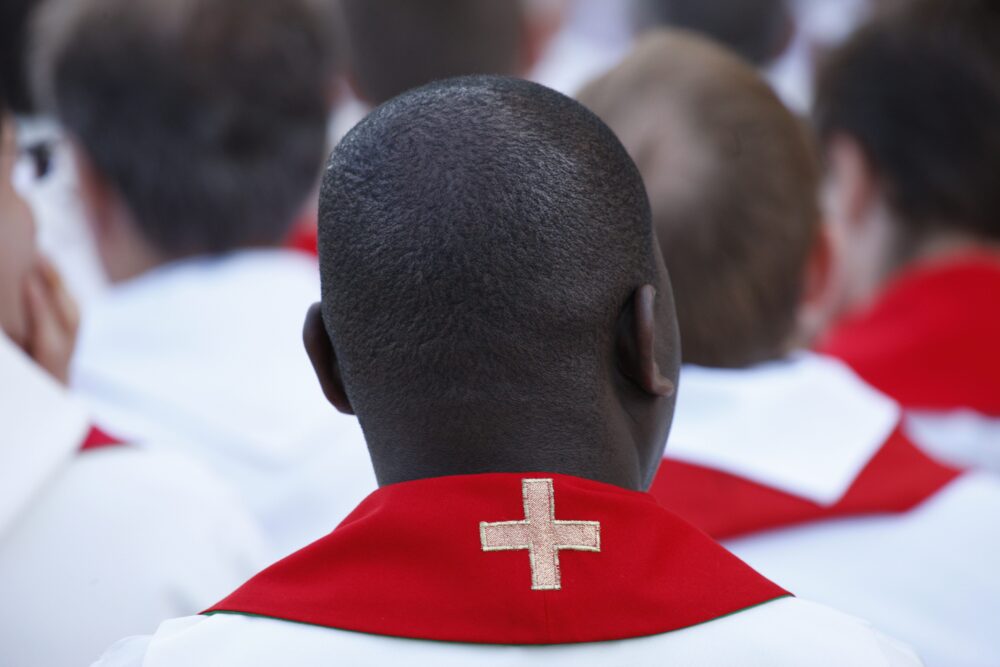
In a major update to its immigration policy, the United States government has reduced the mandatory out-of-country waiting period for certain religious visas, a change that is likely to benefit thousands of clergy, religious workers, and volunteers who serve in communities across America.
The revision comes as part of broader efforts to streamline visa processes and make it easier for faith-based organisations to bring religious workers to the United States. The adjustment has significant implications for religious institutions, international charities, and individuals seeking to enter the U.S. for religious service work.
What Is a Religious Visa?
A religious visa in the U.S. is a temporary work visa designed for individuals who are coming to the country specifically to engage in religious service. These visas are typically used by:
- Clergy members such as priests, pastors, imams, and rabbis.
- Missionaries and religious educators.
- Religious workers assisting in the operations of a faith-based organisation, including musicians, catechists, and counsellors who perform integral religious duties.
The most common category for this purpose is the R-1 visa, which allows foreign nationals to work in the U.S. for a sponsoring religious organisation. Applicants must demonstrate that they have been a member of a recognised religious denomination and will be performing duties consistent with their religious vocation.
Mandatory Out-of-Country Waiting Period Explained
Under previous rules, individuals who held a religious visa and then departed the U.S. were required to wait overseas for a set period — commonly six months — before applying for a new religious visa. This waiting period was intended to prevent continuous back-to-back visa renewals that could circumvent immigration limits.
However, that requirement often created logistical and financial challenges. Many religious missionaries, volunteers, and clergy found themselves needing to return to their home countries for months at a time before they could resume their work in the U.S. For organisations relying on their presence, this created gaps in service delivery, continuity of programmes, and spiritual leadership.
What Has Changed?
Under the new policy update, the mandatory waiting period outside the United States — previously required for religious visa holders seeking to reapply — has been reduced. This change aims to ensure that genuine religious workers can continue their service without extended interruptions.
A spokesperson from a leading faith-based advocacy group described the shift as “a pragmatic and compassionate update that recognises the unique nature of religious work.” They added, “Reducing unnecessary bureaucratic hurdles allows those called to serve to do so more consistently and effectively.”
Who Benefits Most?
The policy revision is expected to help several key groups:
- Missionaries and international ministry workers who travel frequently between countries to support congregations or run outreach programmes.
- Clergy with ongoing parish responsibilities in the U.S. who previously had to step away for extended periods due to the prior rules.
- Volunteers and support staff working with charities, schools, and non-profit religious organisations that depend on international expertise.
Religious institutions — from small community congregations to large international ministries — are welcoming the change, noting that it removes a significant hurdle in planning long-term service commitments.
Balancing Enforcement and Flexibility
While the reduction in the waiting period is seen as a win for religious communities, immigration experts emphasise that it does not mean unchecked access. Applicants must still qualify under existing criteria, including demonstrating:
- A legitimate religious vocation or role.
- Active involvement with a recognised religious denomination.
- Intent to engage in religious duties rather than unrelated employment.
An immigration attorney explained, “The policy change makes sense in the context of facilitating genuine, faith-based service. However, applicants still face stringent eligibility requirements and must prove that their work is integral to the religious mission they represent.”
Broader Context of U.S. Visa Policy
This change comes as part of a broader review of U.S. visa categories, especially those linked to work and service. The government has been balancing enforcement of immigration laws with policy adjustments that address workforce needs, demographic trends, and international partnerships.
By reducing the waiting period for religious visas, the U.S. is signalling a willingness to support international exchange and community service, while still maintaining oversight and eligibility requirements.
What Applicants Should Do Next
Individuals and organisations planning to apply for or renew a religious visa should:
- Consult with immigration experts or legal counsel to understand the updated rules.
- Prepare documentation that clearly outlines the religious duties they will perform.
- Coordinate with sponsoring organisations in the U.S. early to avoid administrative delays.
For many faith communities, this policy change brings welcome relief and renewed optimism that talented religious workers can serve more seamlessly across borders.