


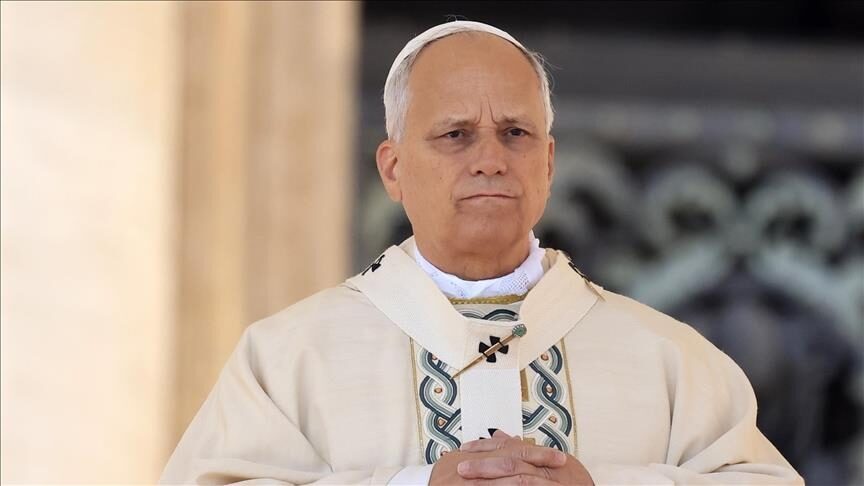
Pope Leo XIV has called for respect for the rule of law, national sovereignty, and human rights following the United States’ dramatic capture of Venezuelan President Nicolás Maduro, urging global leaders to prioritize the welfare of the Venezuelan people amid heightened geopolitical tensions.
Speaking at the conclusion of his weekly Angelus prayer on Sunday, January 4, Pope Leo expressed deep concern for Venezuela’s future and the well-being of its citizens, particularly the poor, who continue to suffer under years of economic instability and political unrest.
“The good of the beloved Venezuelan people must prevail over every other consideration,” the pope said, according to Vatican sources. He emphasized the need to uphold Venezuela’s constitutional framework, calling on the international community to ensure “the sovereignty of the country, the rule of law enshrined in the Constitution, and respect for the human and civil rights of each and every person.”
The pontiff also urged collective efforts to foster “a peaceful future of collaboration, stability, and harmony,” stressing that any path forward must pay special attention to Venezuela’s most vulnerable populations.
Vatican and Bishops Call for Unity and Prayer
In a related statement, the Vatican shared a message from Venezuela’s Catholic bishops, who appealed for calm and solidarity during what they described as a deeply unsettling moment for the nation.
“We ask God to grant all Venezuelans serenity, wisdom, and strength,” the bishops said. “We stand in solidarity with those who were injured and with the families of those who died. Let us persevere in prayer for the unity of our people.”
The bishops’ message underscored the church’s long-standing role as a moral voice amid Venezuela’s political turmoil, particularly as economic hardship and social divisions have deepened over the past decade.
Pope’s Earlier Warnings on Military Escalation
Pope Leo’s remarks followed earlier comments he made in December while returning from an official visit to Turkey and Lebanon. At that time, he addressed reports of heightened US military activity in the Caribbean and speculation about possible escalation against Venezuela.
“It is better to look for ways of dialogue — even pressure, economic pressure,” the pope said then, “but seeking another way to bring about change.”
Those comments reflected the Vatican’s consistent preference for diplomatic engagement over military intervention, even when confronting governments accused of repression or corruption.
Diverging Religious Responses in the US
In the United States, reactions from religious leaders to the Trump administration’s actions have been limited and divided. Evangelical leader Franklin Graham publicly praised the operation, framing Maduro’s arrest as a moment of relief for Venezuelans.
“I’m sure the people of Venezuela are breathing a huge sigh of relief that this evil dictator is gone,” Graham wrote on social media, lauding the US military and praising President Donald Trump as a leader who “doesn’t just talk, but takes action.”
Graham concluded his message with a call for prayer for the president and his advisers, using the phrase “Peace Through Strength.”
However, few other prominent US religious figures commented publicly on the operation, possibly due to the sudden nature of the raid and lingering uncertainty about the administration’s long-term strategy for Venezuela.
Catholic Peace Groups Voice Concern
Catholic peace advocacy groups were more critical. Pax Christi USA, an organization dedicated to nonviolence and global peace, issued a statement urging US Catholic bishops to speak out against actions that could further destabilize Venezuela.
The group called on church leaders to “utilize their religious authority to denounce these acts” and to encourage dialogue that reassesses US foreign policy priorities toward Latin America.
A Strained Church–State Relationship in Venezuela
The Catholic Church’s relationship with Venezuela’s government has been tense for years. Although Maduro was raised Catholic, church leaders have repeatedly criticized his administration, particularly as economic mismanagement and international sanctions plunged millions into poverty.
Venezuelan bishops and local priests have consistently demanded the release of political prisoners and greater respect for civil liberties. In December, Cardinal Baltazar Porras, the retired archbishop of Caracas, was reportedly prevented from leaving the country and had his passport confiscated — an incident that further strained relations between church and state.
In their Christmas message last month, Venezuelan bishops quoted Cardinal Porras urging citizens “not to surrender to despair” but instead to remain anchored in faith.
Evangelicals and Political Calculations
In contrast, Maduro has sought closer ties with Venezuela’s evangelical community in recent years. Beginning in 2023, his government launched programs offering financial support and material assistance to Protestant pastors, including musical equipment and building supplies. These efforts intensified ahead of the 2024 elections.
Political analysts have suggested that this outreach was aimed not only at winning evangelical voters — who make up roughly one-third of Venezuela’s population — but also at weakening the Catholic Church’s influence.
Victor Maldonado, a Venezuelan political scientist, said Maduro’s engagement with evangelicals was part of a broader attempt to reshape religious dynamics in the country and undermine Catholic moral authority.
Calls for Calm Amid Uncertainty
Following Maduro’s arrest, Venezuela’s Evangelical Council issued a statement calling for peace and urging citizens not to succumb to fear or anxiety. The council encouraged its members to limit exposure to social media and focus instead on prayer, family, and community well-being.
As Venezuela enters an uncertain chapter, Pope Leo XIV’s call for constitutional order, human dignity, and peaceful dialogue stands in contrast to triumphalist rhetoric and underscores the Vatican’s insistence that lasting stability can only come through justice, law, and compassion for those who suffer most.