







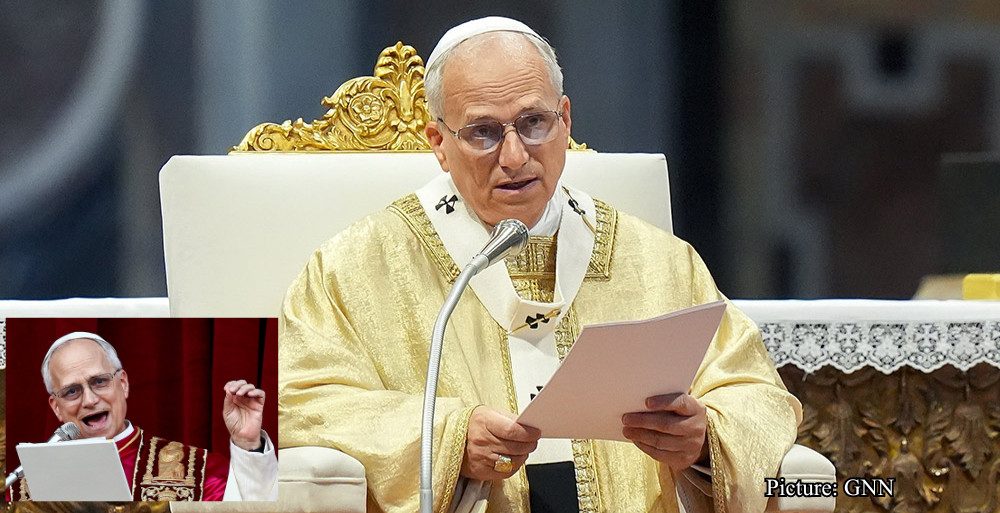
In a world where religious teachings often become entangled in the complexities of modern life, Pope Leo’s reflections on Vatican II serve as a clarion call for Catholics worldwide to revisit and embrace the transformative spirit of the Council. These reflections are not merely a nostalgic glance at the past but a profound invitation to engage with the Church’s mission of renewal and unity in contemporary society.
The Second Vatican Council, commonly known as Vatican II, was a pivotal moment in the history of the Catholic Church. Convened by Pope John XXIII in 1962 and concluded under Pope Paul VI in 1965, the Council sought to address the relationship between the Church and the modern world. Its aim was not to alter the core doctrines of the Church but to reinterpret them in a manner that resonated with the contemporary context. This was a time when the Church realized it needed to open its doors to the world, to engage with it, and to bring the timeless message of the Gospel into dialogue with the changing times.
Pope Leo, in his recent catechetical reflections, echoes the spirit of Vatican II by urging Catholics to listen anew to the teachings that emerged from this significant ecclesiastical assembly. His reflections are a reminder that the Church’s mission is one of ongoing renewal, a task that requires both introspection and action from its members. Vatican II was revolutionary in many ways—it introduced the use of vernacular languages in the liturgy, emphasized the universal call to holiness, and encouraged lay participation in the Church’s mission. These changes were not merely cosmetic; they were profound shifts aimed at making the Church more accessible and responsive to the needs of the faithful.
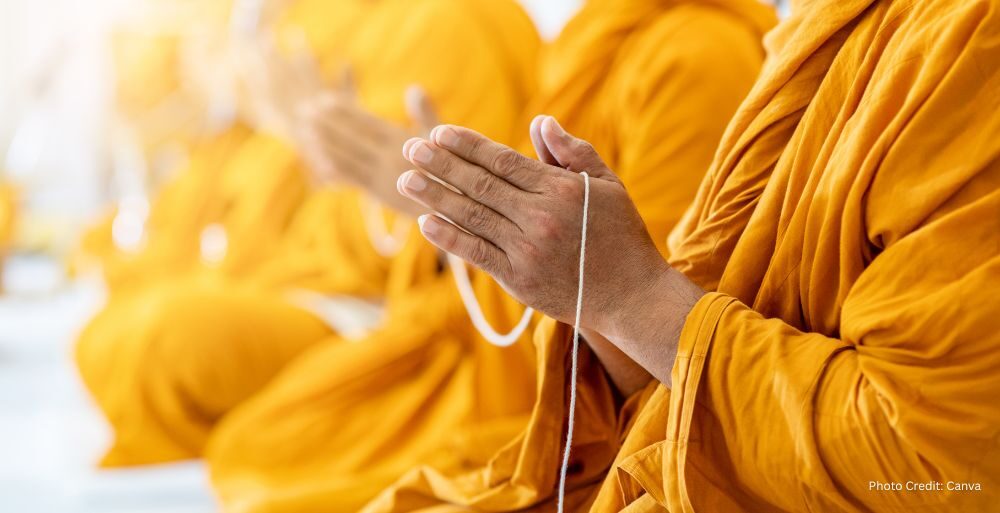
One of the most significant outcomes of Vatican II was its emphasis on ecumenism and interfaith dialogue. The Council recognized the need for the Church to engage with other Christian denominations and world religions in a spirit of mutual respect and understanding. This was a marked departure from the past, where the Church often viewed itself in opposition to other faiths. Pope Leo’s reflections remind us that this spirit of dialogue is more critical today than ever. In a world often divided by religious and cultural differences, the Church’s call to be a bridge-builder is a vital aspect of its mission.
Furthermore, Vatican II’s emphasis on the role of the laity cannot be overstated. The Council declared that all baptized Christians are called to participate in the Church’s mission, not just the clergy. This was a radical shift from the traditional clericalism that had dominated the Church for centuries. Pope Leo’s call for Catholics to listen to Vatican II’s teachings is, therefore, a call to action for every member of the Church. It is an invitation to take ownership of one’s faith and contribute actively to the Church’s mission in the world.
In addition to its internal reforms, Vatican II also had a profound impact on the Church’s relationship with the world. The Council’s documents, such as ‘Gaudium et Spes’ (Joy and Hope), emphasized the Church’s role in addressing social issues and promoting justice and peace. Pope Leo’s reflections highlight the enduring relevance of these teachings. In a world facing numerous social challenges, from poverty and inequality to environmental degradation and conflict, the Church’s voice in advocating for justice and the common good is more necessary than ever.
Pope Leo’s reflections also invite Catholics to consider the personal dimension of Vatican II’s teachings. The Council’s emphasis on the universal call to holiness is a reminder that every Christian is called to a deep, personal relationship with God. This is not a call reserved for the few but an invitation extended to all. Pope Leo’s reflections encourage Catholics to deepen their spiritual lives, to seek God in prayer and the sacraments, and to live out their faith in everyday life.
The teachings of Vatican II continue to shape the Church’s identity and mission in the 21st century. While some Catholics may feel a sense of nostalgia for the pre-Vatican II Church, it is essential to recognize that the Council was not about discarding the past but about building upon it. Pope Leo’s reflections serve as a reminder that the Church is a living tradition, one that must continually adapt and respond to the needs of the times while remaining faithful to its core mission of proclaiming the Gospel.
In conclusion, Pope Leo’s catechetical reflections on Vatican II are a timely reminder of the Council’s enduring significance. They are an invitation to all Catholics to listen, reflect, and act upon the teachings of the Council. In a world that is constantly changing, the Church’s mission of renewal and unity remains as relevant as ever. By embracing the spirit of Vatican II, Catholics can continue to be a light to the world, witnessing to the hope and joy of the Gospel in every aspect of their lives.