

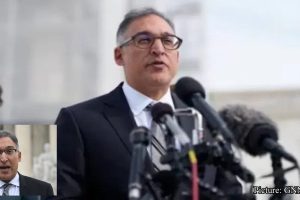





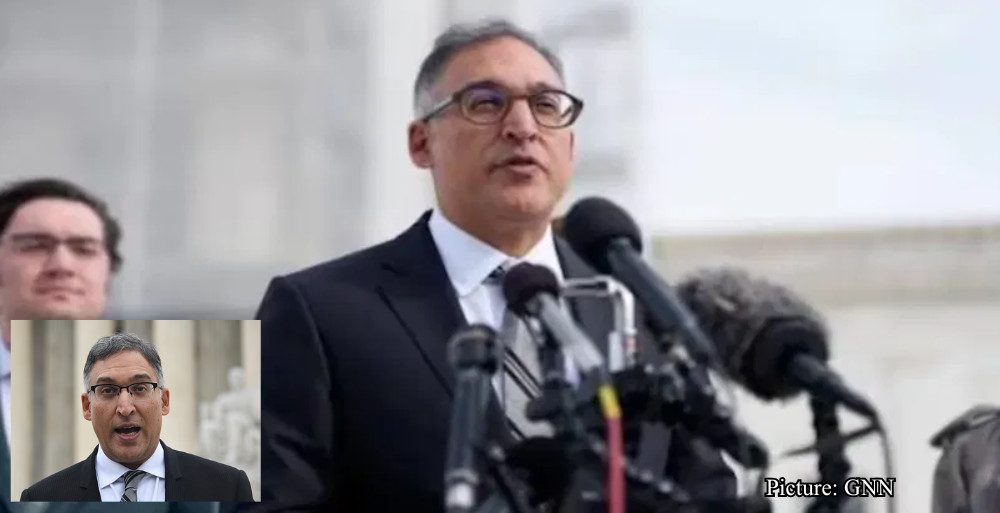
The U.S. Supreme Court recently delivered a significant ruling against the broad tariffs imposed by former President Donald Trump, marking a notable legal victory for attorney Neal Katyal and setting a precedent with potential wide-reaching implications on trade policy and presidential powers.
In a landmark decision, the U.S. Supreme Court struck down the sweeping tariffs that had been implemented during Donald Trump’s presidency, a legal battle spearheaded by the renowned attorney Neal Katyal. This ruling not only represents a personal triumph for Katyal but also signifies a pivotal moment in the ongoing discourse about the limits of presidential power in the realm of international trade.
To understand the magnitude of this decision, it’s essential to revisit the context under which these tariffs were enacted. President Trump, invoking Section 232 of the Trade Expansion Act of 1962, imposed tariffs on steel and aluminum imports, arguing that they were necessary to protect national security. This move was part of his broader strategy to recalibrate trade relationships that he claimed were unfairly disadvantageous to the United States.
However, the invocation of national security as a justification for these tariffs sparked intense debate and legal scrutiny. Critics argued that the tariffs were less about national security and more about economic protectionism, potentially violating international trade agreements and overstepping the intended use of Section 232. This legal challenge brought forth by Neal Katyal and his team contended that the president had exceeded his authority, as the tariffs were not directly linked to any immediate national security threat.
The Supreme Court’s decision to strike down these tariffs underscores the judiciary’s role in checking executive power, particularly when it comes to the interpretation and application of laws that have far-reaching economic consequences. This ruling is a testament to the importance of maintaining a balance between the branches of government, ensuring that no single branch can unilaterally alter the nation’s economic landscape without appropriate checks and balances.
Neal Katyal, a former Acting Solicitor General of the United States and a seasoned Supreme Court litigator, has long been a formidable figure in the legal arena. His victory in this case is not just a personal accolade but also a reinforcement of the principles of judicial oversight and the rule of law. Katyal’s arguments centered around the need for a clear and present justification when invoking national security for economic measures, a stance that resonated with the Supreme Court justices.
This decision has significant implications for future administrations, potentially curbing the use of national security as a broad rationale for economic interventions. It sends a clear message that while the executive branch has significant leeway in matters of international trade, there are limits to this power that must be respected to prevent abuse and maintain fair trade practices.
Moreover, the ruling is likely to influence ongoing and future trade negotiations. By invalidating these tariffs, the Supreme Court has opened the door for a reassessment of trade policies that were enacted under similar pretenses. This could lead to a shift in how the United States approaches trade disputes and negotiations, emphasizing a more rules-based approach aligned with international norms.
For businesses and industries affected by these tariffs, the ruling provides a measure of relief and stability. The tariffs had led to increased costs for many manufacturers and had strained relationships with key trading partners. With their removal, companies can look forward to more predictable trade conditions, which could foster economic growth and innovation.
In the broader context of U.S. politics, the decision may also impact the discourse around presidential powers and the use of executive orders. It highlights the need for legislative clarity and oversight when it comes to significant economic decisions, encouraging a more collaborative approach between the executive and legislative branches.
As we reflect on this ruling, it’s important to acknowledge the delicate balance that must be maintained between national security and economic interests. While it’s crucial to protect the nation’s security, this should not come at the expense of undermining global trade norms or overextending executive authority. The Supreme Court’s decision serves as a reminder that the principles of democracy and the rule of law are paramount, even in the face of complex global challenges.
In conclusion, Neal Katyal’s victory in the Supreme Court against Trump’s tariffs is a landmark moment in U.S. legal and trade history. It reinforces the judiciary’s role in safeguarding the boundaries of executive power and sets a precedent for how national security is interpreted in the context of economic policy. As the United States continues to navigate its role on the global stage, this decision will likely echo in future legal and policy discussions, shaping the landscape of international trade for years to come.