







The ongoing negotiations over Department of Homeland Security funding have intensified, with the White House offering additional immigration enforcement concessions to Senate Democrats as the agency nears five weeks of shutdown.
The Senate voted on Friday against advancing a bill to fund the Department of Homeland Security (DHS), resulting in a 47-37 vote as the agency remains unfunded nearly five weeks after cash flow ceased. This vote marks a critical juncture as the White House seeks to negotiate a resolution that addresses Democrats’ demands for changes to immigration enforcement policies following the fatal shooting of two U.S. citizens by DHS agents in Minnesota earlier this year.
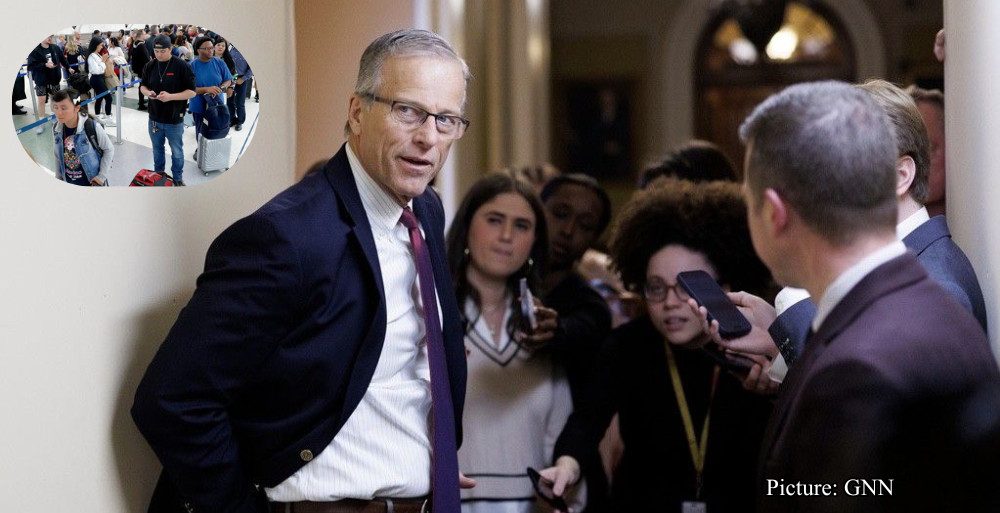
Senate Majority Leader John Thune has indicated that without a deal on DHS funding, the Senate may cancel its scheduled two-week recess, which is set to begin at the end of next week. This warning underscores the urgency surrounding negotiations, as lawmakers grapple with the implications of an extended shutdown.
Negotiations Intensify
In a bid to reach an agreement, border czar Tom Homan met with a bipartisan group of senators, including several Democrats who previously assisted in resolving last year’s funding impasse. Following the meeting, Republican senators expressed hope that the White House would soon present an updated proposal that could sway some Democrats to support increased funding for DHS.
“They’ve just got to figure out if there’s … deal space in there, and I think we’ll find out soon,” Thune remarked, emphasizing the need for compromise. However, sources familiar with the discussions have suggested that while progress has been made, it may not be sufficient to attract bipartisan support in the immediate term.
Republicans have resisted proposals from Senate Democrats to pass a series of narrower funding bills aimed at specific agencies, such as the Transportation Security Administration (TSA) and the Federal Emergency Management Agency (FEMA). Democrats have maintained that they will not agree to any additional DHS funding until their concerns regarding immigration enforcement are addressed.
Democratic Concerns and Republican Responses
Senate Minority Leader Chuck Schumer has initiated a new strategy by scheduling a vote for Saturday that would relate to TSA funding. Schumer has stressed the urgency of reopening TSA operations, which have been severely affected by the ongoing shutdown. “The chaos at TSA is reaching a boiling point. We need to reopen it as quickly as possible,” he stated during a recent floor speech.
As the negotiations unfolded, the White House presented further immigration enforcement concessions in a private meeting with senators. Homan characterized the discussions as productive, stating, “We need to get the government back open. It was a good discussion. That is all I’m going to say.” However, Democratic aides indicated there remains significant distance in the negotiations, with many reforms still unaddressed.
Senator John Hoeven (R-N.D.) expressed optimism about the progress made during the meetings, stating, “I think we made some more progress,” while urging Democrats to engage in further discussions. Senate Appropriations Chair Susan Collins described the latest offer from the White House as “very fair and reasonable,” suggesting a willingness among some Republicans to compromise.
Potential Outcomes and Next Steps
The senators involved in the negotiations hope to reconvene over the weekend to continue discussions, with the Senate remaining in session to address other legislative priorities. However, timing is contingent on the Democrats’ response to the latest proposals, which Republicans anticipate could lead to a counteroffer.
Key points of contention include Democratic demands for requiring judicial warrants for immigration raids, which remain unresolved. Nevertheless, there appears to be some room for agreement on creating serious penalties for “doxxing” and harassing law enforcement, which could help alleviate concerns regarding the identification of DHS officers during immigration enforcement operations.
As the DHS shutdown continues, the pressure mounts on both sides to reach an agreement that would reopen the agency and provide necessary funding. The ongoing stalemate highlights the complexities of immigration policy negotiations and the challenges of achieving bipartisan consensus in a politically polarized environment.
In summary, as the Senate prepares for potential weekend sessions, the outcome of these negotiations is uncertain, with both parties navigating a landscape marked by competing priorities and pressing public concerns. The resolution of the DHS funding crisis will likely require significant concessions from both sides as they strive to address the underlying issues that have led to this impasse.