








The Senate’s recent vote against funding the Department of Homeland Security highlights ongoing negotiations between the White House and Senate Democrats over immigration enforcement reforms as the agency’s shutdown continues into its fifth week.
WASHINGTON, D.C. – The Senate voted 47-37 on Friday to block a proposed bill aimed at funding the Department of Homeland Security (DHS), marking nearly five weeks since the agency halted operations due to a funding impasse. The vote reflects a significant deadlock in negotiations, with the White House seeking to engage Senate Democrats on reforms to immigration enforcement as a condition for their support in funding DHS.
Context of the Shutdown
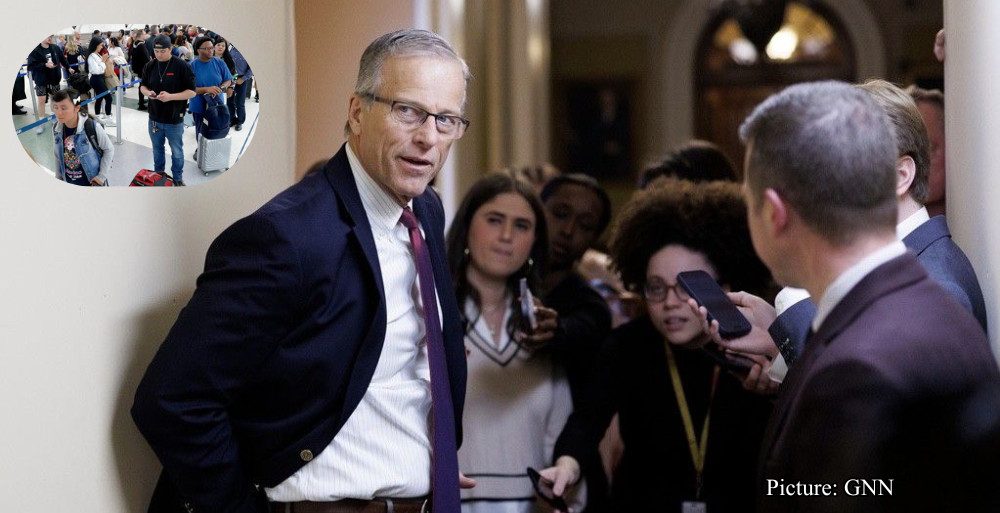
The ongoing inability to secure DHS funding has escalated tensions in Congress, particularly following incidents earlier this year where DHS agents were involved in the fatal shootings of two U.S. citizens in Minnesota. This event has intensified calls from Senate Democrats for substantial changes to immigration enforcement policies before they will agree to any funding measures. Senate Majority Leader John Thune has warned that without a resolution, the Senate may have to cancel its planned two-week recess, which is set to begin after next week.
Thune remarked, “They’ve just got to figure out if there’s … deal space in there, and I think we’ll find out soon,” reflecting the uncertainty surrounding ongoing negotiations. The Senate’s vote came shortly after a meeting between Tom Homan, the White House’s border czar, and a bipartisan group of senators, including several Democrats who previously played a role in resolving a similar funding crisis last year.
Negotiations and Proposals
According to sources familiar with the discussions, the White House has made a renewed offer to Senate Democrats, suggesting additional concessions related to immigration enforcement in an attempt to break the deadlock. Following a second meeting between Homan and key senators, Republican lawmakers expressed cautious optimism that this new proposal would spur further dialogue. Homan stated, “We need to get the government back open,” underscoring the urgency of resolving the shutdown.
Among those present at the meeting were Democratic Senators Patty Murray of Washington and Maggie Hassan of New Hampshire. Although they declined to make substantive comments upon leaving, a Democratic aide noted that significant reforms must still be addressed before the Democratic caucus can support any funding proposal. Senator John Hoeven (R-N.D.), who attended the meeting, described the discussions as making “some more progress,” emphasizing the need for a resolution by next week.
Hoeven characterized the latest proposal as “building” on previous offers and offering more legislative detail, a response to ongoing complaints from Democrats regarding the lack of concrete legislative language in earlier negotiations.
Challenges Ahead
Despite the ongoing discussions, major points of contention remain. Democrats have insisted on requiring judicial warrants for immigration raids, a stipulation that has yet to be resolved. However, Hoeven indicated there may be common ground regarding the creation of penalties for doxxing and harassment of law enforcement officials, which could alleviate some Democratic concerns about the identification of DHS officers during enforcement actions. This points to a potential compromise that could pave the way for agreement.
Senate Minority Leader Chuck Schumer is exploring alternative legislative routes, such as a vote on Saturday related to Transportation Security Administration (TSA) funding. Schumer expressed urgency, stating, “The chaos at TSA is reaching a boiling point. We need to reopen it as quickly as possible.” Nonetheless, attendance during the weekend vote may be limited, as demonstrated by the lengthy duration of Friday’s vote, which was held open for over two hours due to the slow trickle of senators into the chamber.
Looking Forward
Lawmakers are expected to reconvene over the weekend to continue their discussions, with the urgency for a resolution compounded by the approaching recess and the impact on DHS workers, particularly those at the TSA who have been working without pay during the shutdown. House GOP leaders are also planning to bring the stalled DHS funding bill back to the floor next week as part of their strategy to pressure Senate Democrats.
This current standoff underscores the complexities of immigration policy negotiation within the broader context of governance, particularly in the wake of public safety incidents that have heightened scrutiny on federal enforcement practices. The timeline for reaching an agreement remains uncertain as both parties navigate their respective demands and the political implications of the ongoing shutdown. The need for a bipartisan solution is urgent, with both sides under pressure to demonstrate progress to their constituents.
As negotiations continue, the long-term implications of these discussions may affect not only the funding and operational capacity of the DHS but also the broader landscape of immigration policy in the United States. The outcome of these talks could set a precedent for future funding negotiations and shape the relationship between Congress and the executive branch regarding immigration enforcement.