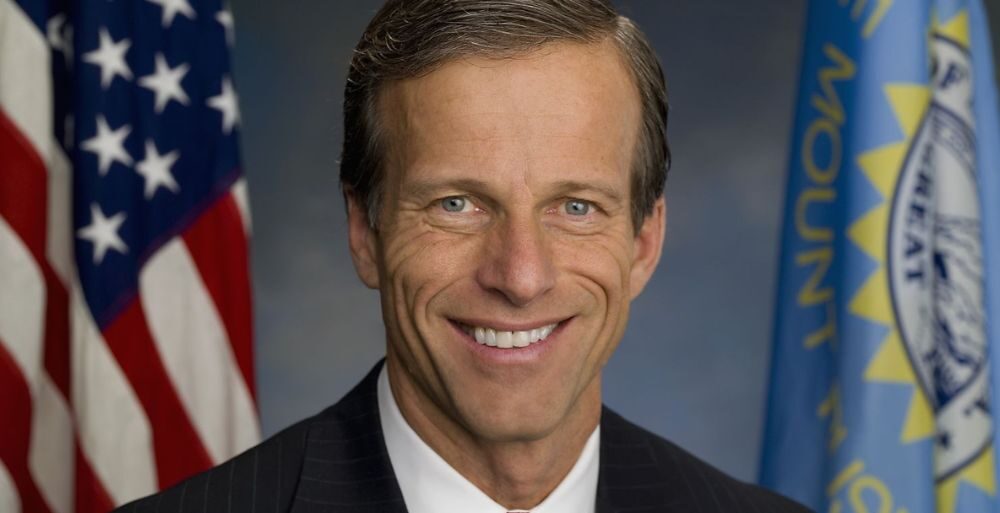









Senate Majority Leader John Thune has dismissed the possibility of altering the Senate filibuster rule to facilitate the passage of Republican-sponsored voting reform legislation. The South Dakota Republican stated Tuesday that there is insufficient support within the upper chamber to lower the sixty-vote threshold required to advance the SAVE Act, a House-passed measure aimed at tightening voter registration requirements. Thune emphasized that the votes necessary to implement such a procedural shift are not even close to being realized, effectively signaling that the traditional legislative guardrails will remain in place despite pressure from some corners of his party.
The legislative focus centers on the Safeguard American Voter Eligibility Act, known as the SAVE Act, which would mandate that individuals provide documented proof of citizenship, such as a passport or birth certificate, when registering to vote in federal elections. While Thune expressed his personal and political support for the substance of the bill, he remains firm in his commitment to the existing Senate rules. This stance reflects a broader institutional philosophy that Thune championed during his 2024 campaign for the leadership post, during which he pledged to protect the minority party’s ability to deliberate and obstruct through the filibuster.
The debate over the filibuster often involves the potential use of the nuclear option, a procedural maneuver that allows a simple majority to override the standing rules or the parliamentarian\’s interpretation of those rules. Thune described the idea of using this partisan pathway to pass the SAVE Act as a non-starter. He noted that the reluctance to pursue such a drastic change is not merely his own preference but is a sentiment shared broadly across the Senate Republican Conference. By refusing to nuke the filibuster, Thune is maintaining a legislative environment where most significant bills require bipartisan cooperation or at least the acquiescence of several members of the minority party.
The discussion intensified following a presentation by Senate Steering Committee Chair Mike Lee of Utah. During a GOP conference meeting, Lee proposed a different tactical approach that would involve a stricter interpretation of existing rules. This strategy would force Democrats to engage in a standing filibuster, requiring them to physically hold the floor and maintain continuous debate to block President Trump’s legislative agenda. This method is intended to make the act of obstruction more physically and politically taxing for the opposition, theoretically creating a path for the majority to wear down resistance.
Thune characterized the internal GOP discussions regarding these tactics as robust but expressed significant reservations about the practical implications of a standing filibuster. He warned that requiring senators to remain at their desks for hours or days on end would effectively paralyze the Senate floor. The Majority Leader pointed out that such an exercise would carry a heavy opportunity cost, as it would prevent the chamber from confirming judicial nominees, processing cabinet appointments, or addressing other urgent legislative priorities. In Thune’s view, the time spent on a protracted floor battle could be better utilized elsewhere.
The resistance to changing the nature of the filibuster extends beyond the leadership. Senator Lindsey Graham, the chair of the Senate Budget Committee, has also voiced caution regarding any attempts to reinterpreted the rules. Graham argued that fundamentally altering the filibuster would transform the Senate into a mirror image of the House of Representatives, where the majority party exercises near-total control over the legislative calendar and outcomes. He suggested that while such a change might appear beneficial in the short term for the current majority, it would ultimately erode the unique deliberative character of the Senate and diminish the influence of the minority party in the long run.
The SAVE Act has become a focal point for Republicans who argue that federal law must be updated to ensure that only U.S. citizens participate in federal elections. Critics of the measure, primarily Democrats, contend that the bill is unnecessary because it is already illegal for non-citizens to vote and that the new requirements would place an undue burden on eligible voters who may not have immediate access to birth certificates or passports. The clash over the bill reflects a deeper national divide over election security and voter access, a tension that is now playing out through these procedural skirmishes in the Senate.
Despite the procedural hurdles, Thune reiterated his belief in the core mission of the SAVE Act. He told reporters that the principle that one should be able to prove citizenship to vote is a straightforward and popular concept. However, the path to achieving a floor vote on the matter remains clouded by the reality of the sixty-vote requirement. With a narrow majority, Republicans would need to win over several Democratic votes to clear a filibuster, a prospect that currently appears unlikely given the unified opposition from the Democratic caucus.
The current impasse highlights the ongoing struggle within the Republican party between those who wish to use every available lever of power to enact their platform and those who view the Senate\’s institutional traditions as essential to the stability of the American government. For Thune, the decision to uphold the filibuster is a fulfillment of the promises made during his leadership bid, even if it complicates the passage of high-priority conservative legislation. He continues to search for alternative methods to advance the party\’s goals without dismantling the procedural framework that defines the upper chamber.
As the 119th Congress progresses, the pressure on Thune and his leadership team is expected to mount, particularly as President Trump’s legislative priorities face continued resistance from the minority. The debate over the SAVE Act is likely just the first of many instances where the filibuster will serve as a primary obstacle. Whether the GOP conference will eventually reach a breaking point and reconsider its stance on the nuclear option remains a central question for the future of the Senate. For now, the sixty-vote threshold stands as a formidable barrier to the Republican voting reform efforts.
The rejection of the standing filibuster and the nuclear option suggests that the Senate will continue to operate under its traditional norms for the foreseeable future. This approach places a premium on negotiation and compromise, qualities that are often in short supply in the current political climate. Thune’s comments serve as a reminder that while the majority party holds the gavel, the rules of the Senate are designed to ensure that the minority party maintains a significant voice in the legislative process. The outcome of the SAVE Act will likely depend on whether its proponents can find a way to navigate these rules or build a bipartisan coalition that does not yet exist.
Senate Leader Thune Rejects Filibuster Changes for New Voting Reform Legislation