







The Senate’s recent vote against advancing a funding bill for the Department of Homeland Security (DHS) highlights a continuing impasse as negotiations between the White House and Senate Democrats intensify over immigration enforcement changes.
On Friday, the Senate voted 47-37 against moving forward with a bill designed to fund the Department of Homeland Security, over a month after funding for the agency ceased. This development underscores the persistent gridlock in Congress surrounding vital funding issues, as lawmakers grapple with the challenges posed by immigration enforcement policies. The failure to advance the bill marks nearly five weeks since the DHS has operated without federal funding.
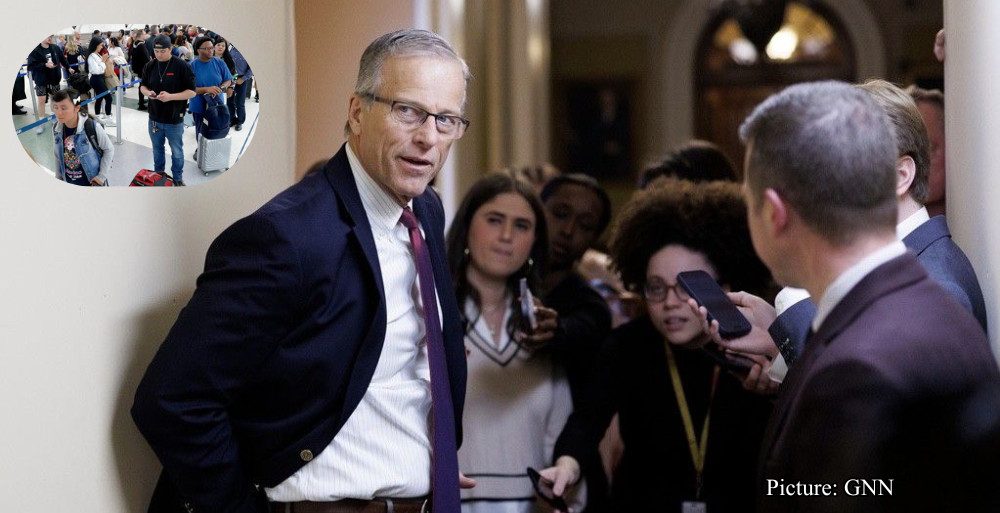
The Senate’s inability to pass the funding legislation coincides with ongoing negotiations between the White House and a range of Senate Democrats. These discussions have gained urgency following two fatal incidents involving DHS agents in Minnesota, which have raised significant concerns about immigration enforcement practices. Senate Majority Leader John Thune has indicated that the Senate may need to forgo its scheduled two-week recess if no agreement is reached soon. “They’ve just got to figure out if there’s … deal space in there, and I think we’ll find out soon,” Thune stated, highlighting the critical nature of the negotiations.
Context of the DHS Funding Stalemate
The backdrop to this legislative deadlock comprises a complex interplay of funding requests, political posturing, and differing priorities among lawmakers. Senate Republicans are advocating for additional DHS funding, while Senate Democrats have firmly opposed any funding increases unless their stipulations regarding immigration enforcement are addressed. This stalemate has become increasingly problematic for federal employees at the DHS, many of whom have been without pay for weeks.
In a bid to address these concerns, Tom Homan, the White House’s border czar, met earlier this week with a bipartisan group of senators, including some who previously helped negotiate the end of last year’s government shutdown. Following the meeting, Homan characterized the discussions as productive but refrained from detailing the proposals under consideration. “We need to get the government back open,” he remarked, emphasizing the urgency of the situation.
Democratic and Republican Perspectives
During the latest round of negotiations, key Democratic senators, including Patty Murray, Maggie Hassan, Catherine Cortez Masto, and Angus King, participated but did not provide comments upon exiting the meeting. However, a Democratic aide familiar with the discussions noted that significant work remains to secure the reforms necessary to win the support of the Democratic caucus. Meanwhile, Republican senators expressed a cautious sense of optimism regarding progress made during the talks.
Senator John Hoeven, one of the participants in the discussions, suggested that the group had made “some more progress” toward a potential agreement. He characterized the latest GOP proposal as “very fair and reasonable,” urging Democrats to respond with their own counteroffers. Notably, the White House has recently provided draft legislation to accompany its proposals, which Hoeven believes represents a constructive step forward.
Legislative Dynamics and Ongoing Negotiations
In a broader legislative context, Senate Minority Leader Chuck Schumer has indicated plans to initiate a vote on Saturday related to reopening the Transportation Security Administration (TSA), an agency also affected by the funding impasse. Schumer stressed the urgent need for action, stating, “The chaos at TSA is reaching a boiling point. We need to reopen it as quickly as possible.” This statement reflects the immediate operational challenges facing federal agencies due to the shutdown.
As negotiations continue, significant divides remain over critical issues such as the requirement for judicial warrants for immigration raids—a stipulation that Democrats are insisting upon—and proposals for criminal penalties regarding the harassment of law enforcement personnel. Hoeven acknowledged that while there might be room for compromise on certain matters, others, such as the requirement for DHS officers to disclose their identities during enforcement operations, pose considerable challenges that remain unresolved.
Future Meetings and Legislative Outlook
Looking ahead, senators are scheduled to reconvene over the weekend in hopes of forging a consensus. The Senate will remain in session to address various legislative priorities, but the timeline for reaching an agreement remains uncertain and heavily dependent on the willingness of Democrats to negotiate. As the legislative environment grows increasingly tense, the possibility of further delays looms if a consensus cannot be reached promptly.
This funding stalemate not only affects the operations of DHS but also carries implications for federal employees and public services reliant on government funding. The urgency of the situation is compounded by the fact that many federal workers remain unpaid, raising concerns about the long-term impacts of the ongoing shutdown. As lawmakers navigate the complexities of their differing priorities, the need for a resolution to the funding crisis has never been more critical.
In conclusion, the failure of the Senate to advance the DHS funding bill exemplifies the broader challenges facing Congress as it grapples with contentious issues surrounding immigration enforcement and federal budgetary priorities. As negotiations intensify, the stakes are high for both federal employees and the broader public, leaving many to wonder when a breakthrough might occur.