






House GOP leadership has placed a sweeping elections reform bill at the center of the legislative calendar following direct coordination with President Donald Trump and intensive lobbying from high-profile supporters.
The United States House of Representatives is scheduled to vote next week on the Safeguard American Voter Eligibility (SAVE) America Act, an expansive piece of legislation that has transitioned from a technical policy proposal to a central pillar of the Republican legislative agenda. The bill, which seeks to implement the most significant federal changes to election administration in decades, has gained momentum following a series of high-level meetings between House leaders and the executive branch. This renewed focus comes as the party navigates internal divisions over federal spending, effectively positioning election security as a unifying priority for the GOP conference.
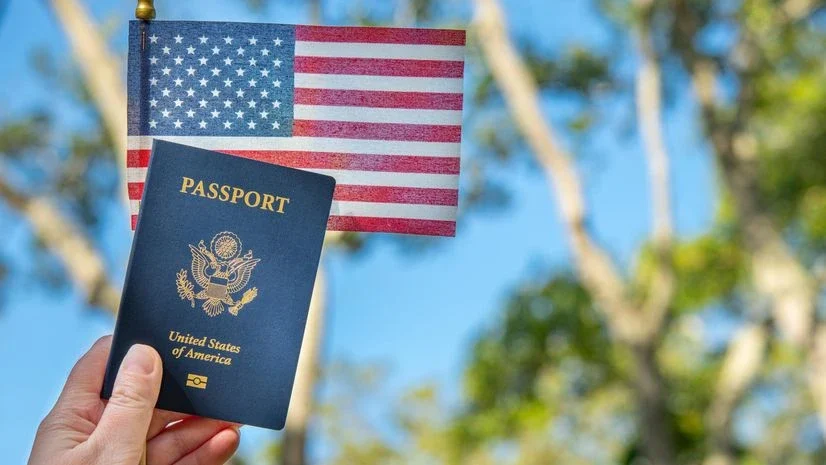
The SAVE America Act introduces several fundamental shifts in how American citizens interact with the electoral process. Most notably, the legislation would require individuals to provide documentary proof of citizenship, such as a passport or birth certificate, specifically at the time of voter registration. Furthermore, it mandates a national photo identification requirement for all federal elections, a standard that would preempt varying state laws. The bill also includes provisions requiring states to conduct regular audits of their voter rolls to identify and remove noncitizens, a move proponents argue is essential for maintaining the integrity of the democratic process.
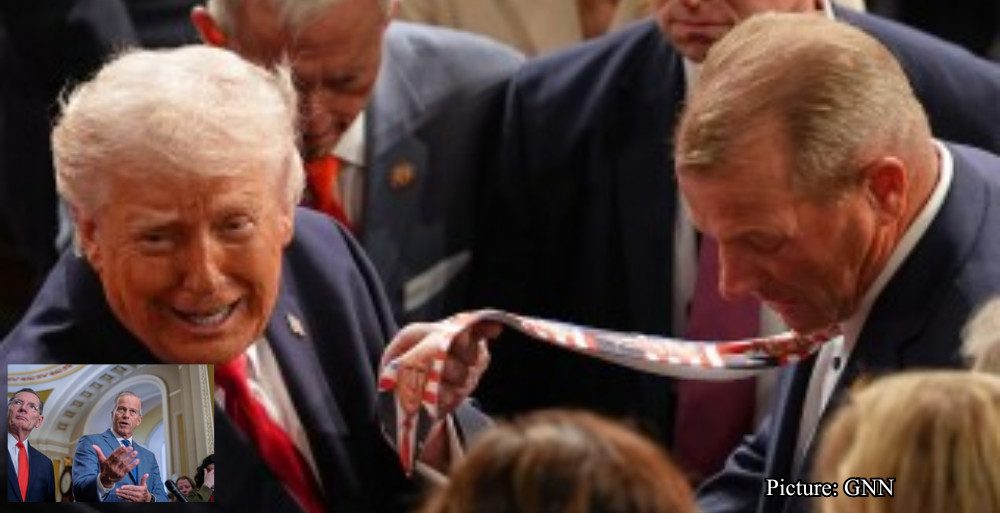
+1President Donald Trump has taken a direct role in the advocacy for the bill, utilizing his executive platform to urge congressional action. Reports indicate that Majority Leader Steve Scalise met with the president on January 29 to discuss the legislative path forward, while several key Republican senators, including Mike Lee and Rick Scott, held subsequent briefings at the White House. This executive pressure was pivotal in resolving a recent legislative impasse; the election security measures nearly stalled a critical government funding package earlier this week until the president intervened, directing House Republicans to pass the spending bill separately while promising a standalone vote on the election overhaul.
Support for the measure extends beyond the halls of Congress, with tech mogul Elon Musk emerging as a prominent advocate for the bill on social media. Musk’s public endorsement of the SAVE America Act has amplified the pressure on lawmakers to bypass traditional legislative hurdles. Despite this support, the bill faces a challenging environment in the Senate, where Democratic leaders have indicated they will utilize the filibuster to prevent the measure from reaching a final vote. Opposition members argue that the requirements for documentary proof of citizenship could inadvertently disenfranchise millions of eligible voters who may lack immediate access to the specified documents, such as rural residents, the elderly, and students.
The logistical implications of the SAVE America Act are substantial for state and local election officials. If enacted, the bill would require the immediate overhaul of voter registration systems, many of which currently rely on self-attestation or backend verification through Social Security databases. Transitioning to a frontend verification model—where the burden of proof lies with the applicant—would necessitate significant administrative adjustments. Critics have raised concerns regarding the lack of federal funding provided in the bill to assist states with these implementation costs, as well as the potential for civil and criminal penalties for election workers who fail to comply with the new documentation standards.
The timing of the upcoming House vote is strategically significant, occurring just as the 2026 midterm election cycle begins to take shape. By bringing the bill to the floor, GOP leadership aims to force a public debate on election standards, a topic that consistently resonates with their core constituency. For many hard-right activists, the SAVE America Act represents a necessary response to concerns regarding illegal immigration and its perceived impact on electoral outcomes. House Administration Committee Chairman Bryan Steil and other proponents contend that the bill simply reinforces existing laws that prohibit noncitizens from voting by providing a clear, uniform mechanism for enforcement.
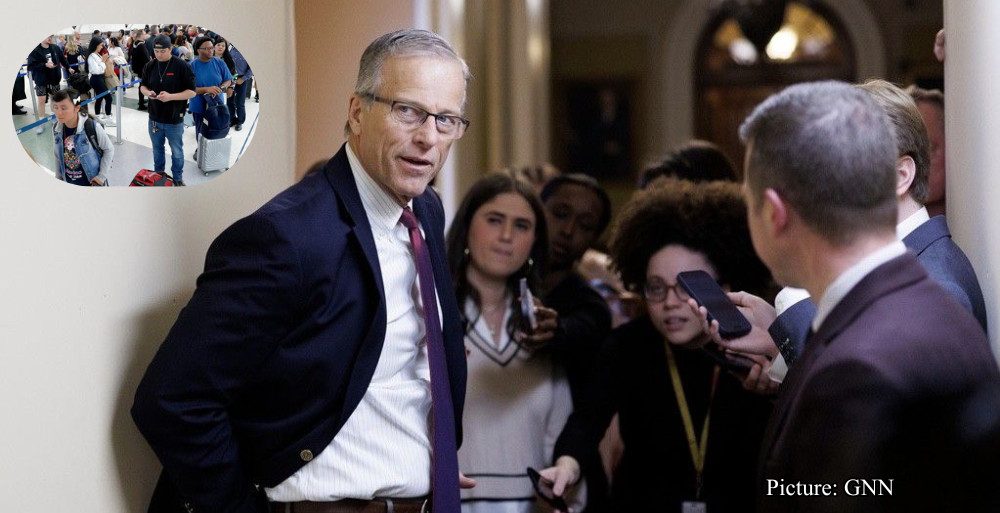
Legislative analysts suggest that the House vote will serve as a bellwether for the party’s ability to coordinate on complex policy issues. While the bill is expected to pass the House with nearly unanimous Republican support, the focus will quickly shift to the Senate, where Minority Leader John Thune and other GOP senators are being urged to find creative procedural avenues to overcome Democratic resistance. Some advocates have called for the termination of the filibuster for election-related legislation, though more senior members of the party remain cautious about the long-term institutional consequences of such a move.
The broader “Make Elections Great Again” Act, a companion piece of legislation, includes even more restrictive measures, such as a ban on universal mail-in voting and prohibitions on third-party ballot collection. These proposals reflect a broader ideological shift within the GOP toward more centralized federal oversight of election standards, a domain traditionally reserved for individual states. The administration’s involvement in these legislative efforts underscores a desire to establish a legacy of “election integrity” that aligns with the president’s long-standing public statements on the security of the 2020 and 2024 cycles.
As the debate moves to the House floor next week, the national conversation remains sharply divided. Supporters see the SAVE America Act as a common-sense safeguard that protects the value of American citizenship, while opponents view it as an unnecessary barrier that complicates the fundamental right to vote. Regardless of the immediate outcome in the Senate, the bill has succeeded in placing the issue of voter eligibility at the forefront of the national political discourse, ensuring it will remain a central theme of the upcoming legislative and electoral cycles.
Ultimately, the push for the SAVE America Act highlights the evolving relationship between the executive and legislative branches in the current administration. The coordination between the White House, House leadership, and high-profile private sector allies demonstrates a new model of political advocacy that prioritizes rapid legislative action on key cultural and procedural issues. As the vote approaches, all eyes will be on the Capitol to see if this alliance can translate intense pressure into lasting federal law.