








The Indian rupee and domestic equities have emerged as significant regional laggards, underperforming their Asian peers as the ongoing Iran war triggers a mass exodus of foreign capital. Despite a brief reprieve in global oil prices, the “geopolitical premium” and structural fears regarding India’s energy security have left the local unit and the Nifty 50 vulnerable to a deepening “risk-off” sentiment.
The financial landscape in Mumbai faced a stark divergence on Wednesday, March 11, 2026, as the Indian rupee and the benchmark Nifty 50 plummeted even as broader Asian markets staged a relief rally. While the MSCI gauge of Asian stocks rose nearly 2% on hopes of a contained conflict, Indian markets remained firmly in the red, weighed down by a “pincer movement” of rising energy risks and persistent foreign portfolio investor (FPI) outflows.
The rupee closed the session at 91.9150 against the U.S. dollar, down modestly from the previous close, but market sentiment remains fragile. Traders noted that the currency’s weakness was exacerbated by heavy demand for dollars from oil importers and corporate hedgers. Meanwhile, the Nifty 50 shed 0.7%, continuing an 11-month downtrend that has seen the index crash notionally by nearly 24% over the last year and a half.
The Energy Choke Point: India’s “Achilles’ Heel”
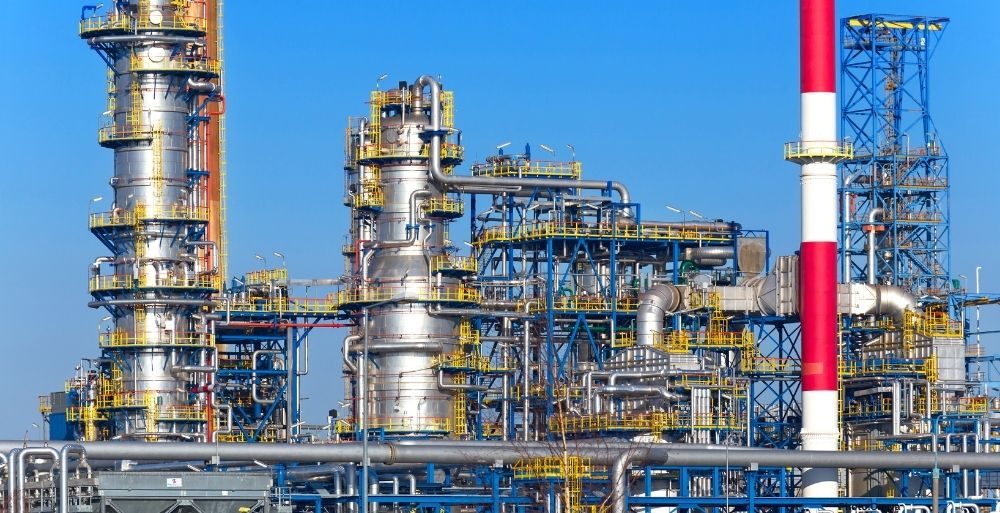
The primary driver of India’s underperformance is its extreme sensitivity to the Strait of Hormuz, a vital maritime artery through which one-fifth of the world’s oil and LNG trade passes. BNP Paribas recently flagged India as one of the most vulnerable nations in the region, noting that the country sources over 40% of its energy imports from the conflict zone.
While Brent crude prices eased to $86.9 per barrel on Wednesday—a significant drop from Monday’s peak near $120—the relief was tempered by the effective closure of the Gulf chokepoint. The Iran-West Asia conflict has already triggered a domestic energy crunch in India; several states have reported shortages of commercial LPG cylinders, forcing restaurants and hotels to curtail menus as the government prioritizes household gas supplies.
The “Double Whammy”: AI Fears and War
Adding to the geopolitical gloom is a structural anxiety regarding India’s massive information technology (IT) sector. Before the war began, the benchmark IT index was already underperforming due to fears that Generative AI—specifically tools like Anthropic’s “Claude Cowork”—could automate traditional software maintenance roles. This “AI doomsday” narrative has seen IT heavyweights like Infosys and TCS plunge up to 30% in 2026 so far.
While some analysts, including those at CLSA and Nuvama, argue that AI will eventually boost productivity and expand the “Total Addressable Market” for Indian tech, the immediate market reaction has been one of fear. In the current “risk-off” environment, investors are viewing Indian IT not as a defensive hedge, but as a sector facing a “terminal growth” crisis.
Capital Flight and the Safe Haven Trade
The result of these combined fears is a record-breaking sell-off by foreign institutional investors (FIIs). On Wednesday alone, exchange data showed that FIIs offloaded equities worth ₹6,267.3 crore (roughly $680 million). This capital flight has placed an immense burden on the Reserve Bank of India (RBI), which has been forced to dip into its strategic forex reserves to protect the 92.00 level for the rupee.
| Market Metric | March 11 Close | Regional Peer Performance |
| Indian Rupee (USD/INR) | 91.9150 | Laggard (-0.16% vs. peers) |
| Nifty 50 | 23,866.00 | Underperforming (MSCI Asia +1.9%) |
| Brent Crude | $86.90 | Down 1% (Peak: $120) |
| FII Net Flow | -₹6,267.3 Cr | Heavy Sell-off |
The outlook remains tied to two variables: the duration of the “Operation Epic Fury” assault on Iran and the upcoming U.S. consumer price inflation data. A higher-than-expected U.S. inflation reading could strengthen the dollar further, creating an even tighter “dollar liquidity” squeeze for the Indian economy.
As long as the Strait of Hormuz remains a contested theater of war, the Indian rupee and local stocks are expected to remain on the defensive, serving as the primary barometers for geopolitical risk in Asia.