





In a day of intense volatility, U.S. equity markets plummeted to session lows Wednesday after Federal Reserve Chair Jerome Powell warned that the burgeoning war between the United States and Iran could trigger a secondary wave of energy-driven inflation. Despite intense political pressure from the Trump administration to lower borrowing costs, the Federal Open Market Committee (FOMC) voted 11-1 to maintain the federal funds rate at a range of 3.5% to 3.75%. The decision, coupled with hotter-than-expected producer inflation data and a 5% surge in global oil prices, sent the Dow Jones Industrial Average and the Nasdaq Composite tumbling below their critical 200-day moving averages. Investors remain on edge as the military conflict, dubbed “Operation Epic Fury,” threatens to destabilize global energy chokepoints and prolong the Fed’s “modestly restrictive” policy stance well into the second half of the year.
NEW YORK — Wall Street experienced a broad-based sell-off on Wednesday as the dual pressures of geopolitical instability and persistent inflation forced the major indexes into technical corrections. The Dow Jones Industrial Average dropped 1.6%, or 768 points, closing significantly below its 200-day moving average, a key indicator of long-term momentum. The S&P 500 fell 1.4%, while the tech-heavy Nasdaq composite shed 1.5%.
The downturn was precipitated by a combination of a hawkish Federal Reserve stance and a worsening military situation in the Persian Gulf. Earlier in the day, the Labor Department reported that the Producer Price Index (PPI) rose 0.7% in February, pushing the annual rate to 3.4%—well above the 3% consensus estimate. Core PPI, which strips out volatile food and energy costs, climbed 3.9% year-over-year, signaling that price pressures are broadening beyond the immediate impact of the war.
The Fed’s Fragile Neutrality
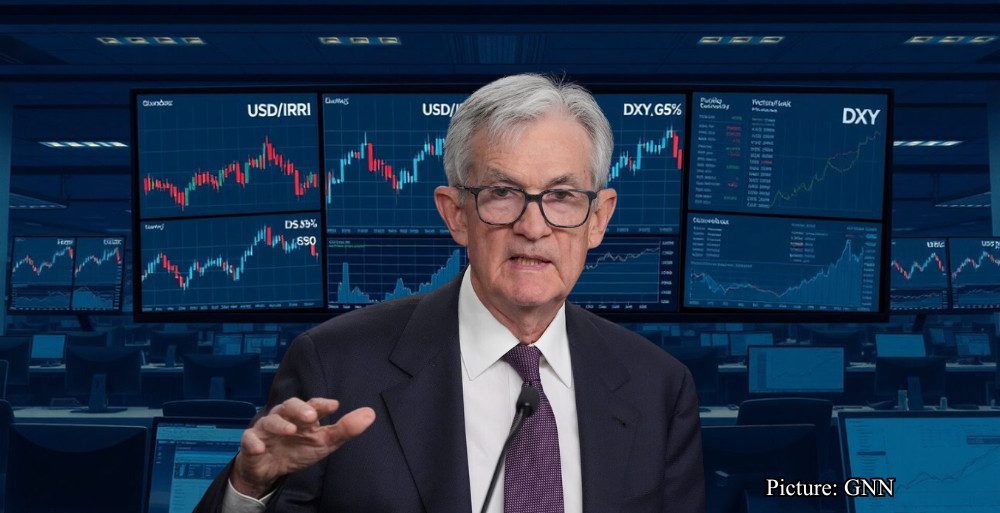
In his penultimate press conference before his term as Chair expires in May, Jerome Powell adopted a somber tone. He described the current monetary policy as “modestly restrictive,” arguing that the committee must wait for the inflationary effects of recent tariffs to filter through the economy.
“The implications of developments in the Middle East for the U.S. economy are uncertain,” Powell told reporters, appearing composed despite the intense scrutiny surrounding his leadership. “In the near term, higher energy prices will push up overall inflation, but it is too soon to determine the scope and duration of these effects.”
The FOMC’s “dot plot”—a survey of individual policymakers’ expectations—signaled only one quarter-point rate cut for the remainder of 2026, a shift from more optimistic projections earlier this year. The lone dissent came from Governor Stephen Miran, a Trump appointee, who voted for an immediate 25-basis-point reduction. Miran’s dissent highlights the growing rift between the central bank’s professional economists and the administration’s focus on short-term economic stimulus.
Energy Markets and “Operation Epic Fury”
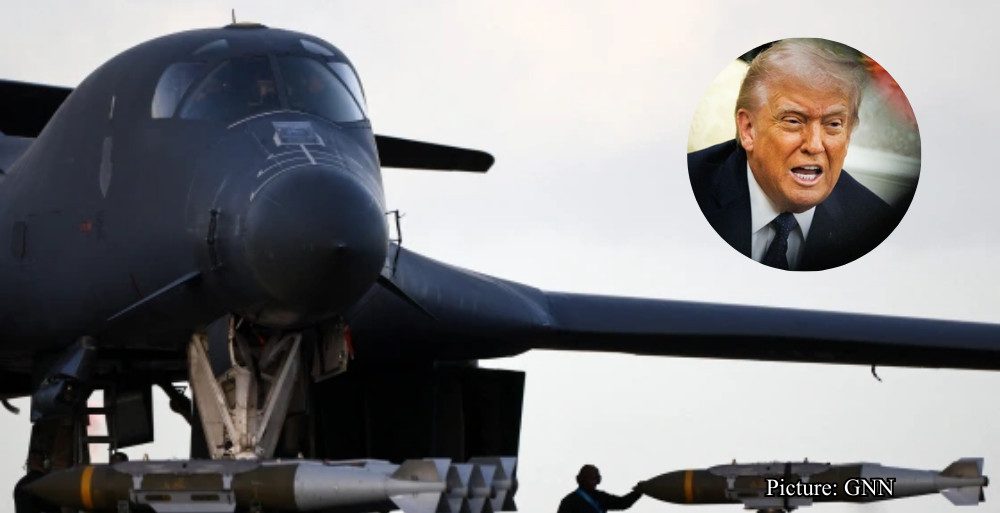
The shadow of “Operation Epic Fury”—the U.S.-led military campaign against Iranian nuclear and ballistic facilities—loomed large over the trading floor. Brent crude, the international benchmark, jumped more than 5% to near $110 a barrel after Tehran threatened retaliatory strikes against oil infrastructure in the Gulf.
In a direct attempt to mitigate the economic fallout, President Donald Trump issued a rare 60-day waiver of the Jones Act on Wednesday morning. The 1920 statute requires that all goods transported between U.S. ports be carried on American-built and American-crewed vessels. By waiving the act, the administration hopes to allow foreign-flagged tankers to move domestic oil and gas more efficiently, potentially lowering prices at the pump.
“This action will allow vital resources like oil, natural gas, and coal to flow freely,” said White House Press Secretary Karoline Leavitt. However, market analysts remained skeptical. Historical data suggests Jones Act waivers provide only marginal relief, as transportation costs account for less than 1% of the retail price of gasoline. West Texas Intermediate (WTI) oil continued its ascent regardless, settling near $99 a barrel.
Corporate Earnings and Technical Breaks
The selling was not limited to energy-sensitive sectors. Of the 30 components in the Dow Jones Industrial Average, nine fell by 2% or more, including retail giants Amazon and Walmart. The small-cap Russell 2000 also slid 1.6%, reflecting concerns that higher-for-longer interest rates will disproportionately squeeze smaller firms with floating-rate debt.
However, there were isolated pockets of resilience. Nvidia (NVDA) edged higher after CEO Jensen Huang announced that China had placed significant orders for the company’s H200 processor, resolving months of regulatory uncertainty. Chevron (CVX) was another notable gainer, rising 1% to reach an all-time high as investors hedged against rising crude prices.
On the earnings front, Williams-Sonoma (WSM) surged 6% after beating fourth-quarter estimates and raising its dividend. Conversely, Jabil (JBL) triggered a technical sell signal after tumbling 9% on a weak outlook, though it pared some losses by the closing bell.
Political and Legal Uncertainty
The economic anxiety is compounded by an unprecedented leadership crisis at the Federal Reserve. Powell confirmed Wednesday that he intends to serve as “Chair Pro Tem” if the Senate fails to confirm his successor, Kevin Warsh, by the May deadline.
The confirmation process has been stalled by a Department of Justice criminal investigation into Powell’s 2025 testimony regarding the renovation of the Fed’s headquarters. Powell reiterated his stance that he will not resign from the Board of Governors until the investigation is “well and truly over with transparency and finality,” characterizing the probe as a politically motivated attempt by the Trump administration to undermine the Fed’s independence.
As the 10-year Treasury yield jumped seven basis points to 4.27%, the message from the bond market was clear: the “fog of war” has made the path to a “soft landing” significantly narrower. With the Strait of Hormuz effectively a combat zone and the U.S. central bank under legal and political siege, the stability of the global financial system faces its severest test since the 2008 crisis.