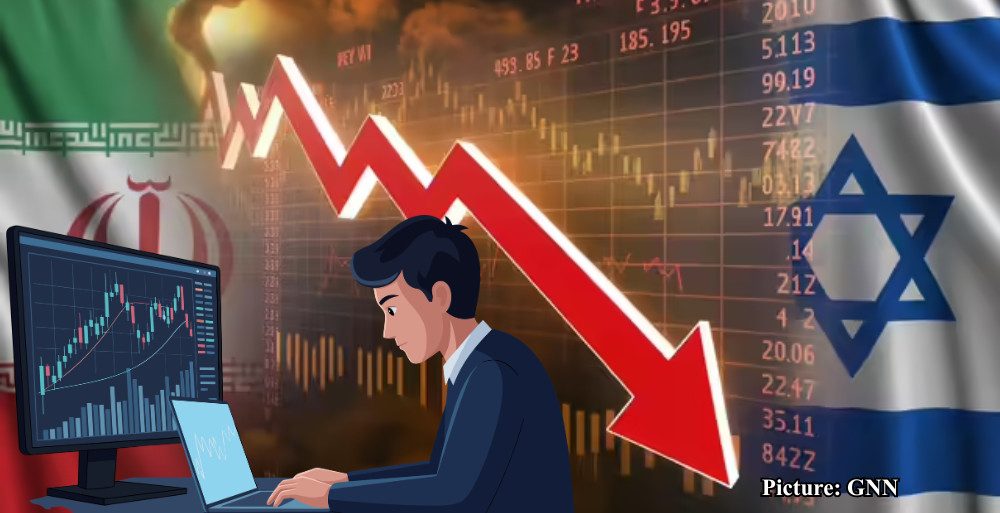







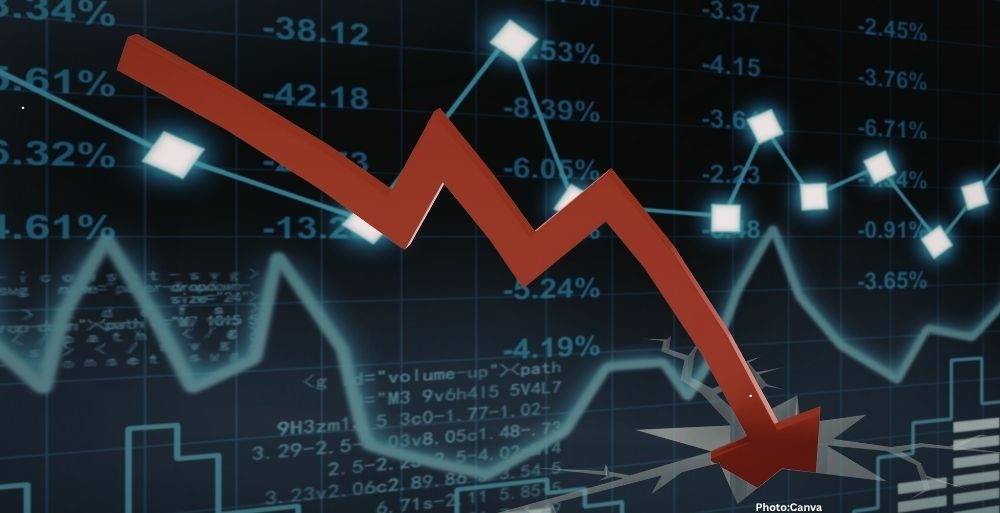
Major US stock indices have seen a decline for five consecutive weeks, largely influenced by escalating tensions between the United States and Iran, prompting concerns regarding oil prices and economic stability.
The ongoing conflict between the United States and Iran has significantly impacted the financial markets, leading to major stock indices experiencing their fifth consecutive week of losses. The Dow Jones Industrial Average and the Nasdaq Composite have both entered correction territory, defined as a decline of over 10% from their recent peaks. As of the end of last week, the S&P 500 index was hovering just below correction status after enduring five weeks of losses.
On Friday, March 17, 2023, stocks fell to their lowest levels since August of the previous year, as apprehensions grew over how the US-Iran conflict might affect oil prices and, consequently, the broader economy. Analysts noted that the White House’s reassurances regarding the timeline of the conflict have failed to instill confidence among investors. The market’s downturn aligns with a broader trend of volatility, as inflationary pressures and geopolitical uncertainties weigh heavily on investor sentiment.
Market Reactions and Economic Implications
Business Insider gathered insights from leading financial experts regarding the motivations behind the current market sell-off and potential future trends. Many analysts pointed to the White House as a focal point of concern. Researchers from Barclays highlighted the phenomenon of “headline fatigue,” suggesting that inconsistent messaging from the administration is undermining investor confidence. They referred to a popular options trade known as the ‘Trump put,’ which is predicated on the belief that President Donald Trump would intervene to support markets during downturns. However, this belief is waning.
Famed economist Mohamed A. El-Erian, former CEO of PIMCO, noted the adverse effects of the market’s performance on diversified portfolios. He remarked on social media that this week’s sell-off is affecting even the traditionally resilient ’60/40′ investment strategy, which allocates 60% to stocks and 40% to bonds. El-Erian stated, “A rough end to the trading week for both US stocks and bonds, worsening a month where the classic ‘diversified’ 60/40 portfolio is experiencing its steepest monthly loss since 2022.”
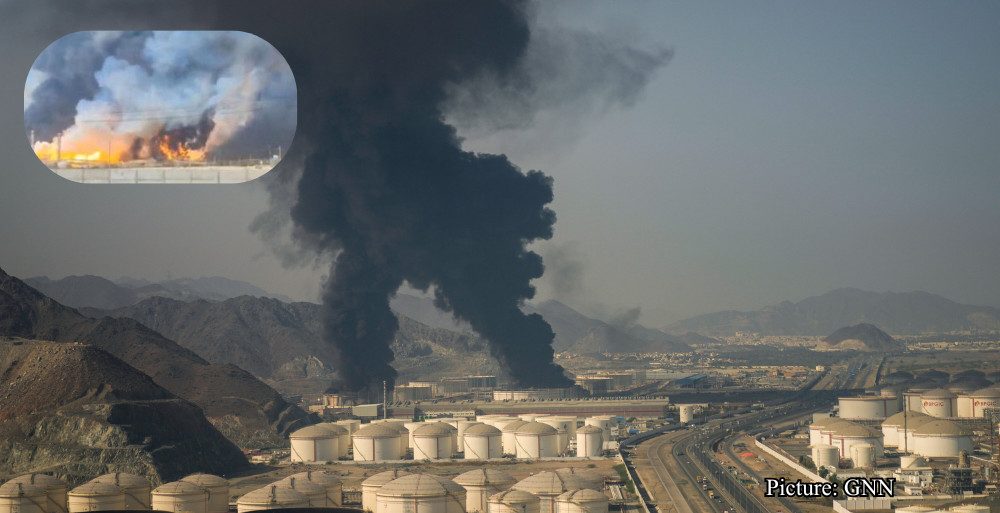
Marko Kolanovic, the former chief market strategist at JPMorgan, also weighed in, asserting that the delay in reopening the Hormuz Strait—a critical passage for global energy transport—is detrimental to the global economy. He criticized the Trump administration’s attempts to stabilize oil prices, saying, “All the verbal gymnastics from the administration to keep oil prices low was in the end counterproductive,” and underscored the urgency of resolving the situation to avoid further economic fallout.
Long-Term Perspectives on the Conflict
In contrast to some analysts, others maintain that the market is overreacting to current events. Torsten Sløk, chief economist at Apollo Global Management, expressed a more optimistic outlook, arguing that the conflict will lead to a relatively short period of volatility, followed by a long-term stability in oil markets, supply chains, and geopolitics. He stated, “Markets are overreacting to what will likely be a 4- to 6-week period of volatility, which will ultimately result in 50 years of stability in oil markets, supply chains and geopolitics.”
Peter Mallouk, CEO of Creative Planning, echoed a similar sentiment, emphasizing the importance of focusing on long-term earnings rather than short-term market fluctuations. He noted, “What matters in the short run: wars, oil prices, tariffs, interest rates, sentiment, a million other things. What matters in the long run: Earnings. Speculators focus on the short run. Investors play the long game.”
Inflationary Pressures and Future Projections
The ongoing conflict and its implications for oil prices have raised significant concerns about inflation. Peter Tuchman, a prominent trader at the New York Stock Exchange, warned that sustained high oil prices could exacerbate inflationary pressures within the economy. He stated, “There is no end in sight with this war. Oil is going up, up, up. When you’ve got oil at the levels where it’s at for a sustained period of time, the inflationary impact is huge, and that’s where the problem lies.”
Mark Zandi, chief economist at Moody’s Analytics, provided a stark assessment regarding oil prices, suggesting that prices may need to reach approximately $125 per barrel for the US economy to face a tipping point. As of last week, Brent crude prices were around $112 per barrel. Zandi’s analysis underscores the potential for escalating economic challenges if oil prices continue to rise amid ongoing geopolitical tensions.
Further complicating the outlook, analysts from JPMorgan have projected a slowdown in global economic growth, estimating a potential 1-percentage-point increase in inflation, even if tensions in the Middle East ease later this year. They noted that maintaining elevated oil prices could have significant repercussions for global growth, particularly if the Strait of Hormuz remains closed for an extended period.
As the situation evolves, the financial markets remain susceptible to fluctuations driven by geopolitical events and economic indicators, with investors closely monitoring developments in the US-Iran conflict and their potential ramifications for the global economy.